2026 Best Robotic Forklift Features for Global Buyers?
In today's fast-paced logistics environment, the demand for efficiency is paramount. Robotic Forklifts are revolutionizing warehouse operations worldwide. These automated machines help reduce labor costs and enhance productivity. Their innovative features are attracting global buyers eager to stay competitive.
Understanding the best features of robotic forklifts in 2026 is crucial for potential investors. Buyers must consider various elements, such as navigation technology, load capacity, and safety measures. Each feature contributes to the overall effectiveness of these machines. However, not all robotic forklifts meet the diverse needs of businesses.
It is essential to evaluate each option carefully. Prospective buyers should reflect on their unique operational requirements. What works for one warehouse may not suit another. As companies seek reliable solutions, they must prioritize features that align with their goals while remaining mindful of potential shortcomings in different models.
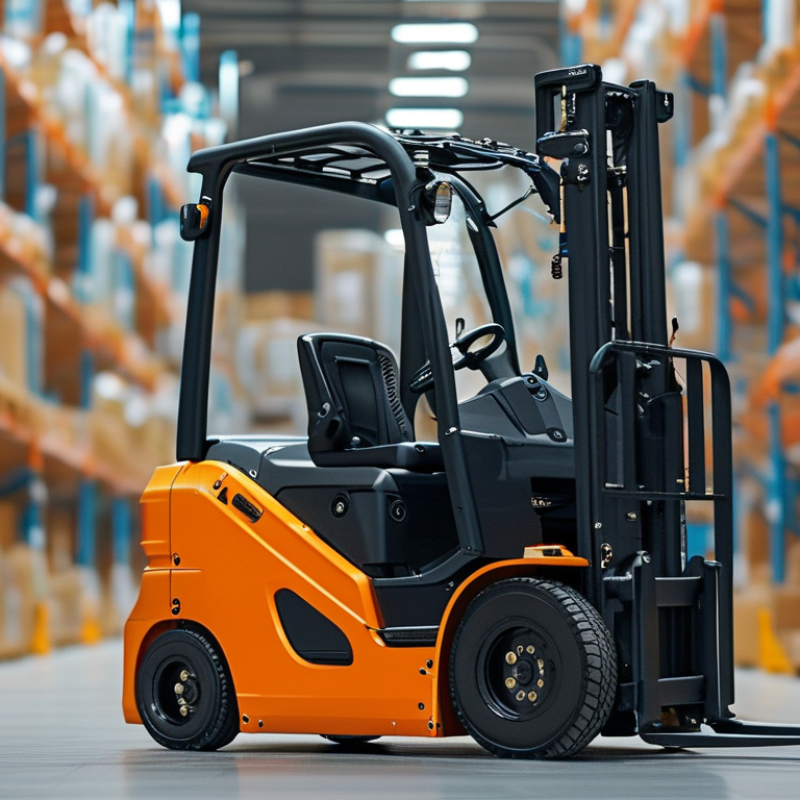
Key Features of Robotic Forklifts for 2026
As the demand for efficiency rises, robotic forklifts are becoming essential in warehouses and distribution centers. In 2026, one key feature to look out for is advanced navigation technology. Many models will incorporate LiDAR and computer vision to navigate complex environments. This ensures they can operate safely without human intervention. The precision in movement reduces the risk of product damage.
Another significant aspect is their adaptability. Robotic forklifts will come equipped with flexible configurations that can handle various loads and sizes. This versatility allows them to perform tasks that traditional forklifts struggle with. However, it's crucial to assess how well these machines can integrate with existing systems. Compatibility issues may arise, challenging their full potential.
Safety protocols must evolve alongside these advancements. Enhanced safety features, such as emergency stop systems and collision detection, are critical. But even with these improvements, there is a constant need for operator training. Proper training minimizes accidents and maximizes efficiency. This balance between automation and human oversight is vital for achieving optimal results in modern logistics.
Technology Advancements in Robotic Forklifts
The robotic forklift industry is revolutionizing warehouse operations. Recent technology advancements have increased efficiency and safety. These machines use advanced sensors and AI algorithms to navigate complex environments. They can lift heavy loads while minimizing the risk of accidents. The integration of machine learning helps them adapt to changing conditions in real time.
One notable trend is the rise of collaborative robots, or cobots. These forklifts can work alongside human operators. They enhance productivity without compromising safety. Additionally, some models feature intuitive interfaces. These make it easier for workers to interact with the machines. However, the reliance on technology raises questions. Are workers losing skills in this automation-driven environment?
Battery technology is also evolving. Newer systems provide longer operational hours without frequent recharging. This leads to higher productivity rates. Yet, the initial investment for these advanced systems can be daunting for some companies. As the industry progresses, the need for proper training and support remains critical. Balancing technological advancement with human skill development is essential for future success.
Safety Enhancements in Modern Robotic Forklifts
Safety is a key focus for the evolution of robotic forklifts. Recent reports indicate that over 30% of workplace accidents involve material handling equipment. This statistic highlights the urgent need for effective safety features. Modern robotic forklifts now incorporate advanced sensor technologies. These sensors can detect obstacles in real time, significantly reducing collision risks.
Moreover, the integration of artificial intelligence enhances decision-making processes. AI-powered forklifts can analyze their surroundings and adjust their movements accordingly. A study found that implementing AI-based systems has decreased accident rates by up to 40% in some facilities. This dramatic improvement demonstrates the importance of innovation in safety features.
However, challenges remain. Not all facilities can afford the high initial costs of these advanced systems. Many businesses still rely on outdated equipment that lacks modern safety enhancements. Investing in new technology presents a dilemma for some organizations. This ongoing issue raises questions about accessibility and the future of warehouse safety protocols. Balancing safety and cost is essential for optimal operational efficiency.
2026 Best Robotic Forklift Features for Global Buyers - Safety Enhancements in Modern Robotic Forklifts
| Feature | Description | Safety Rating | Price Range (USD) |
| Obstacle Detection | Advanced sensors for detecting obstacles in real-time. | A+ | $25,000 - $40,000 |
| Automated Emergency Stop | Immediate halt of operations upon detection of a critical situation. | A | $30,000 - $45,000 |
| Load Stability Control | Systems that monitor and adjust for load stability during transport. | A+ | $28,000 - $42,000 |
| 360-Degree Visibility | Enhanced visual coverage to prevent accidents. | A | $35,000 - $50,000 |
| Intelligent Navigation | Smart algorithms for optimal routing and navigation. | A+ | $40,000 - $60,000 |
Cost Considerations for Global Buyers of Robotic Forklifts
When considering the purchase of robotic forklifts, costs can vary significantly. The initial investment is just one factor. Maintenance, software updates, and training can add to overall expenses. Buyers often overlook these additional costs. It’s crucial to budget beyond the purchase price to ensure long-term operation.
The choice between leasing and buying also impacts costs. Leasing can reduce upfront expenses, but might lead to higher overall costs in the long term. Buyers should analyze their operational needs and future growth. A poorly informed choice can affect productivity and return on investment. It’s important to conduct a thorough cost-benefit analysis before making a commitment.
Robotic forklifts offer automation and efficiency, but they require careful planning. Buyers should seek expert consultations. Understanding total cost of ownership is essential. Each organization has unique needs, and customized solutions may lead to better outcomes. This requires thoughtful evaluation and potential adjustments in strategy. Mistakes in planning can result in expensive setbacks.
Market Trends Influencing Robotic Forklift Adoption in 2026
As we approach 2026, the landscape for robotic forklifts is evolving rapidly. Companies are increasingly embracing automation to enhance efficiency and reduce operational costs. The demand for these advanced machines reflects broader market trends shaped by technological advancements and workforce dynamics. Many industries are facing labor shortages, driving them toward solutions like robotic forklifts that require minimal human oversight.
The integration of artificial intelligence and machine learning is notable in this evolution. These technologies allow forklifts to navigate complex environments and make real-time decisions. However, challenges remain, such as the high initial investment and the need for specialized training. Some businesses find it hard to justify the costs, especially in sectors with tight margins. They hesitate to fully commit to automation due to doubts about long-term return on investment and system reliability.
Moreover, safety regulations continue to adapt as these machines become more prevalent. Industries must ensure that their robotic systems comply with standards while maintaining a safe work environment. This can sometimes slow down adoption. Nonetheless, the benefits of increased productivity and operational efficiency keep many companies looking towards robotic solutions for the future.
2026 Best Robotic Forklift Features for Global Buyers
This chart displays the anticipated popularity of key features in robotic forklifts among global buyers in 2026. The data indicates that efficiency, safety, and automated navigation are leading priorities in the adoption of robotic forklift technology.