
What Is an Amorphous Transformer Body Assembly Worktable?

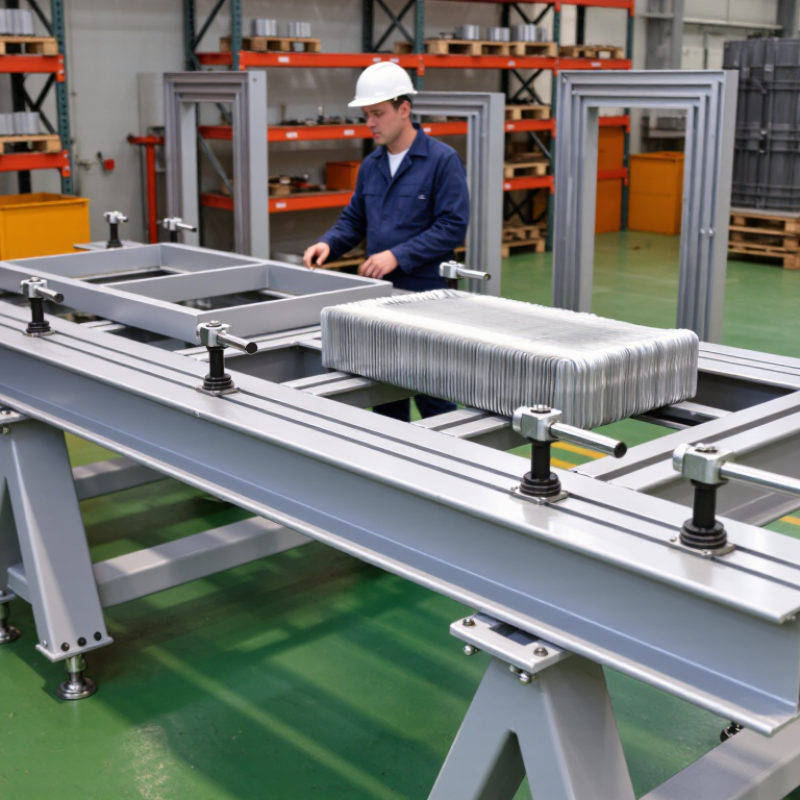
An Amorphous Transformer Body Assembly Worktable is a purpose-built fixture for positioning and assembling transformer components with controlled alignment. It typically combines a rigid frame, adjustable supports, and accessible clamping points. On the shop floor, those details matter: a body must stay stable while workers fit parts, check clearances, and handle delicate amorphous-metal cores. Small alignment errors can create rework. The worktable does not eliminate them, but it can make assembly more consistent.

The U.S. Department of Energy’s 2022 National Transformer Supply Chain Deep Dive Assessment reported that distribution-transformer lead times had grown from roughly 3–6 months before the pandemic to 12–30 months in 2022. That report concerns supply chains, not worktables; still, it highlights why manufacturers value dependable production processes and fewer avoidable delays. Transformer engineering author Thomas A. Short’s published guidance on distribution equipment supports a practical principle: equipment design and maintenance deserve careful attention. Applied here, that means choosing a table for load capacity, stable positioning, operator access, and repeatable setup—not appearance alone.

A useful fixture is specific to the assembly. It should accommodate the body’s dimensions, protect finished surfaces, and allow workers to reach connection points without awkward lifting. Measure the real workflow. Then test the setup with representative components. Even a well-designed table can be inconvenient if adjustment takes too long. That is an easy detail to overlook.
What Is an Amorphous Transformer Body Assembly Worktable?

What an Amorphous Transformer Body Assembly Worktable Is

What Is an Amorphous Transformer Body Assembly Worktable?

An amorphous transformer body assembly worktable is a purpose-built surface for positioning and assembling transformer body components. It provides a stable area for handling the thin, delicate amorphous metal core and related parts. Depending on the process, the table may include locating stops, clamps, adjustable supports, or space for hand tools. These features help workers keep components aligned while reducing unnecessary movement.

The worktable should suit the assembly task, not just the available floor space. A smooth, clean surface helps prevent snags and makes small parts easier to see. Clear access around the table can also make lifting and inspection more manageable. In practice, the best setup depends on component size, assembly sequence, and how workers handle the core. A fixture that works well for one design may not fit another. Small details matter. A misplaced stop or awkward reach can slow careful work.

Tips: Check the table height with the actual components in place. Keep contact surfaces free of sharp edges, and confirm that clamps hold parts without crushing or distorting them. Reassess the setup after a trial assembly; a neat-looking station can still feel awkward during repeated use.

Key Components and Worktable Layout

An amorphous transformer body assembly worktable is a dedicated station for positioning and joining core and coil components. Its frame should resist movement, while the work surface supports the assembly without creating hard pressure points. Padded contact areas help protect delicate core edges during handling. Adjustable stops and clamps keep parts aligned, but should hold them securely without forcing them out of shape. Keep frequently used hand tools within easy reach.

The layout works best when each area has a clear purpose: component staging, core positioning, body assembly, and inspection. Leave enough open space to turn or reposition larger assemblies safely. A height-adjustable surface or lifting aid can reduce awkward reaching, especially during repeated tasks.

Small trays for fasteners prevent loose parts from collecting beneath the work. Keep cables and air lines away from the main handling path. No layout is perfect. In practice, operators may still reach across the table or move tools between steps; observing that during a trial assembly can reveal where the arrangement needs adjustment.

How the Worktable Supports Transformer Body Assembly

An amorphous transformer body assembly worktable provides a steady, organized surface for fitting the core, windings, insulation, and structural parts together. Its role is practical: keep components supported while technicians align them and check clearances. Amorphous metal cores use thin ribbon, so contact points should be smooth and loads spread evenly. Small details matter.

Depending on the transformer design, the table may use adjustable supports, padded stops, or clamps to hold components in position. These features can reduce shifting during assembly and make it easier to reach fastening points. A clear layout also helps workers keep tools, spacers, and insulation materials close at hand. The table should not force the core into alignment; parts need to sit naturally, without pressure that could damage edges or disturb the stack.

Good work height and access matter during repeated tasks. Technicians can inspect joints, verify spacing, and make small corrections before the body moves to the next production stage. A fixture that feels convenient for one model may obstruct another. That deserves a second look during setup. The best arrangement supports careful handling, but it cannot replace trained judgment or checks against the transformer’s drawings and assembly requirements.

Common Uses in Amorphous Transformer Production

An amorphous transformer body assembly worktable is a stable, purpose-built surface for positioning transformer parts during assembly. In production, workers may use it to support the amorphous core while fitting coils, insulation, and clamping components. Soft contact points help limit scratches or edge damage to the thin core material. Adjustable guides can keep parts aligned without forcing them into place. Small details matter.

The table also provides a defined area for checking clearances, core alignment, and assembly dimensions before the unit moves to its next production stage. Drawings and process specifications should guide fixture settings, since transformer designs vary. A level surface and accessible tool storage can reduce awkward handling, though they do not replace careful inspection. Even a well-designed fixture can leave a blind spot if it blocks access to a joint or measurement point. That limitation is easy to overlook. Operators should confirm that the setup supports both the assembly task and the required checks.

Common Uses of an Amorphous Transformer Body Assembly Worktable

A worktable provides a stable surface for positioning and supporting transformer components during assembly. The chart shows a typical task sequence—not measured time, output, or industry-wide frequency.

Common uses include preparing and positioning the core, aligning coils, supporting core-and-coil assembly, and providing access for lead connection and inspection. Exact steps vary by transformer design and production process.

Safety and Design Considerations for Worktable Operations

An amorphous transformer body assembly worktable is a dedicated surface for positioning core parts and completing assembly tasks. Its design should match the transformer’s dimensions, component weight, and handling sequence. A rigid, level top helps prevent parts from shifting during alignment. Rounded edges and clear access around the work area reduce bumps and awkward reaches.

Safety starts with the material and the movement. Thin core strips may have sharp edges, so workers should use suitable cut-resistant gloves and handle parts without twisting them. Heavy sections need rated lifting aids, not improvised supports. Keep pinch points visible, secure fixtures before use, and check table legs, fasteners, and height adjustments regularly. Good task lighting helps workers spot misalignment and loose hardware.

The work surface should stay uncluttered, with tools placed within easy reach and cables kept away from walkways. Set the table height to limit prolonged bending or raised shoulders; adjust it when different tasks demand different postures. A layout can look neat on paper yet create a reach problem in practice. Observe real assembly cycles, ask operators where strain occurs, and revise the setup. It is easy to miss something.

keep me informed

Subscribe

By clicking SEND means that you agree to our Terms & Conditions, Privacy and Cookie Policies.