What is Artificial Lift Technologies and How Do They Work?
Artificial Lift Technologies play a crucial role in the oil and gas industry. These technologies help extract hydrocarbons from underground reservoirs. In situations where the natural pressure is insufficient, artificial lift becomes essential.
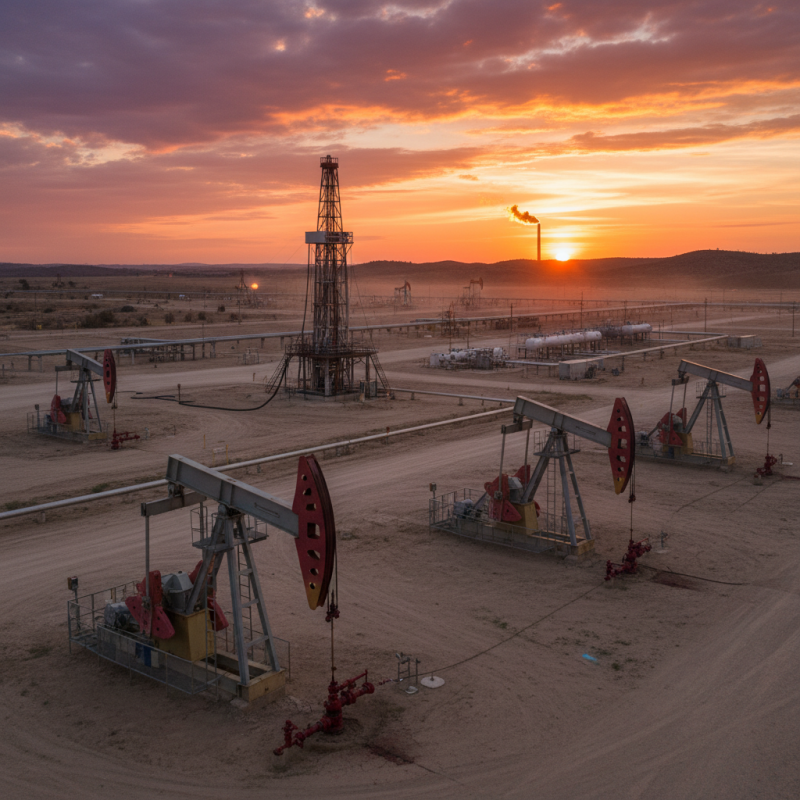
Various methods exist within these technologies. They include beam pumps, electric submersible pumps, and gas lift systems. Each method has unique characteristics and applications. For instance, beam pumps are commonly used in onshore operations. They effectively enhance production rates in mature fields.
Understanding Artificial Lift Technologies is vital for optimizing production. However, implementing these systems is not without challenges. There can be issues related to maintenance and efficiency. These factors often lead to downtime and increased costs. It raises important questions about the sustainability of using such technologies. Balancing effectiveness and reliability remains an ongoing concern in the industry.
What is Artificial Lift Technology?
Artificial Lift Technology is essential in the oil and gas industry. It enables the extraction of hydrocarbons from the ground when natural pressure is insufficient. This technology enhances production rates, ensuring efficient recovery. According to recent industry reports, around 90% of oil wells utilize some form of artificial lift. This statistic highlights its significance.
Different methods exist within artificial lift technologies, such as rod pumping, gas lift, and electric submersible pumps. Each method has a unique mechanism and application. For instance, rod pumps operate with a surface unit that drives a rod down into the well. They can effectively lower the fluid level in the well, which is crucial in various geological settings. However, they can wear out quickly, requiring regular maintenance.
Recent data suggests that global spending on artificial lift technologies is expected to reach approximately $20 billion by 2025, driven by increasing demand. Yet, challenges remain. High operational costs and technical difficulties often arise. Operators must balance efficiency and investment. The need to improve reliability and reduce failures is an ongoing concern in the industry. This reflects the complexities and evolving nature of artificial lift technologies.
The Importance of Artificial Lift in Oil and Gas Production
Artificial lift technologies play a vital role in oil and gas production. These systems help in extracting hydrocarbons from wells when natural pressure isn't enough. By enhancing flow rates, artificial lift ensures that operations remain efficient and cost-effective. Many wells require additional support to reach optimal production levels.
The importance of artificial lift cannot be overstated. In some fields, natural pressure declines quickly. Without artificial lift, production rates would plummet. There are various types of artificial lift methods, such as gas lift, electrical submersible pumps, and beam pumps. Each method has its own strengths and weaknesses. The selection can be tricky and requires careful assessment.
Implementing artificial lift is not without its challenges. Operators must consider the costs and maintenance involved. Also, not all methods suit every well. A thorough understanding of reservoir characteristics is crucial. Sometimes, the chosen technology might not perform as expected. Regular monitoring and adjustments are necessary to achieve desired results. This is an ongoing process with room for improvement.
Types of Artificial Lift Methods Used in the Industry
Artificial lift methods are essential in the oil and gas industry. They help to enhance the production of hydrocarbons when natural pressure declines. There are various types of artificial lift technologies, each suitable for different conditions.
One popular method is pump-assisted systems. According to the Bureau of Economic Geology, around 80% of onshore oil wells use these pumps. These systems include electrical submersible pumps (ESPs) and rod pumps. ESPs work effectively in high-volume production scenarios, while rod pumps are ideal for shallow wells with lower production rates.
Gas lift is another prevalent method. It involves injecting gas into the well to reduce the density of the fluid column. Reports suggest that gas lift can lift liquids from depths exceeding 20,000 feet. However, it requires careful monitoring, as improper gas injection can lead to inefficiencies.
Plunger lift is a simple and cost-effective method. It uses a plunger to push fluids to the surface. While it's effective for low-volume production, it may not perform well in wells with heavy oil. Understanding the specific requirements of each well is crucial for selecting the right artificial lift method.
How Artificial Lift Systems Operate Mechanically
Artificial lift technologies play a crucial role in the oil and gas industry. They help extract hydrocarbons from reservoirs when natural pressure is insufficient.
Understanding how these systems operate mechanically is essential for optimizing their performance.
Mechanical operation often involves pumps or compressors. For example, electric submersible pumps (ESPs) are widely used. They convert electrical energy into mechanical energy, drawing fluid from deep underground. This method effectively increases flow rates, especially in low-pressure wells. Another common method is the use of beam pumps, which utilize a mechanical system to lift fluids to the surface.
This mechanical arrangement can sometimes lead to wear and unexpected failures, highlighting the need for regular maintenance.
Considerations like reservoir properties and fluid characteristics are vital. For instance, high-viscosity fluids may require different lifting techniques. The complexity of these systems can lead to inefficiencies. Challenges can arise with contaminants or well conditions that are not ideal.
Reflection on these operational aspects can help improve the design and functionof Artificial Lift Systems.
Advantages and Challenges of Implementing Artificial Lift Solutions
Artificial lift technologies play a crucial role in maximizing oil and gas production. Many operators rely on artificial lift to enhance reservoir performance. However, the implementation of these systems presents various advantages and challenges.
One of the major advantages is increased production efficiency. According to a market analysis by Wood Mackenzie, artificial lift can boost recovery rates by 20% to 30%. This increase is vital for fields with declining reservoir pressures. However, there can be a significant investment in installation and maintenance. For example, the cost of implementing a new artificial lift system can range from $50,000 to over $1 million, depending on the technology used and the depth of the well.
Another challenge is the operational complexity. Many artificial lift systems require constant monitoring and adjustment. This adds to the operational workload, especially for fields with multiple wells. In addition, failures can lead to costly production downtime. A report from the International Petroleum Technology Conference highlighted that approximately 30% of artificial lift installations face performance issues within the first year. This indicates a need for careful planning and expert knowledge in selecting and managing these systems effectively.