Top Benefits of Brass Die Casting for Global Buyers?
Brass Die Casting has gained significant traction among global buyers. This manufacturing process offers a blend of precision and strength, making it ideal for various industries. The demand for high-quality, durable components continues to rise. Brass Die Casting stands out for its ability to deliver complex shapes efficiently.
What makes Brass Die Casting attractive? First, it ensures consistent quality with minimal defects. Companies can rely on it for large production runs without compromising integrity. Additionally, brass components possess excellent corrosion resistance, enhancing longevity. Buyers often hesitate due to concerns over costs. However, the long-term benefits often outweigh initial expenses.
It’s crucial to understand the nuances of Brass Die Casting. Various factors can impact the final product, such as the alloy composition and die design. Not all suppliers provide the same level of expertise. Buyers should conduct thorough research before partnering with manufacturers. By choosing wisely, they can unlock the true potential of Brass Die Casting for their projects.
Advantages of Brass Die Casting for Industrial Applications
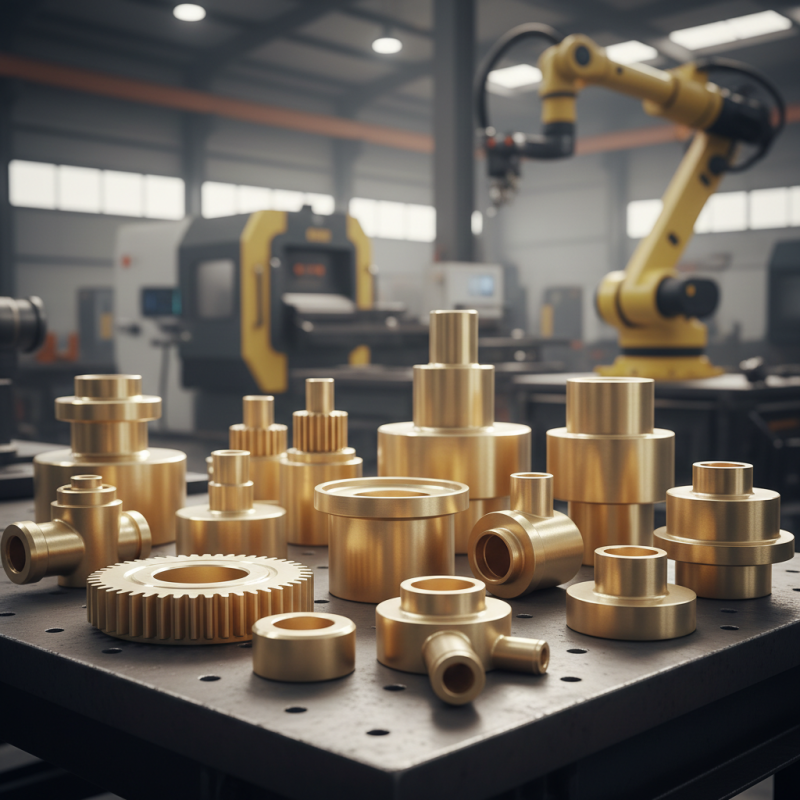
Brass die casting presents significant advantages for industrial applications. It offers excellent durability and resistance to corrosion, essential for outdoor and marine environments. According to the 2022 Industry Research Report, brass components can last up to 10 times longer than those made from plastic. This longevity translates to reduced replacement costs over time.
Another key benefit is the high level of precision achieved in brass die casting. The process allows for tight tolerances, often within ±0.01 inches. This accuracy minimizes the need for further machining, saving time and resources. However, maintaining consistent quality can be challenging, as slight variations in the alloy can lead to different mechanical properties.
Brass casting also offers versatility. It supports various industrial uses, from automotive to electrical fittings. In fact, research from the Global Market Insights indicates demand for brass parts is expected to grow by 6% annually through 2025. Yet, buyers should scrutinize suppliers. Not every manufacturer adheres to the best practices in alloy production, which could affect finished product performance. This is a critical factor for industries relying on high standards.
Cost-Effective Manufacturing with Brass Die Casting
Brass die casting is a smart choice for manufacturers aiming to reduce costs. This method enables mass production of complex parts with high precision. By using brass, a durable and corrosion-resistant metal, businesses can ensure the longevity of their products. The initial setup costs can be higher, but the savings in labor and material make it cost-effective in the long run.
The speed of brass die casting offers significant competitive advantages. Manufacturers can produce thousands of components in a short time frame. This efficiency can lead to faster turnaround for projects, meeting tight deadlines and market demands. However, one must be cautious of potential defects. Ensuring quality control is vital to avoid costly reworks. Attention to detail during the casting process is critical.
It’s essential to consider the environmental impact too. While brass is a recyclable material, the casting process consumes energy. Evaluating sustainable practices can enhance profitability. Buyers must weigh the benefits against these factors. Opting for brass die casting can be beneficial, but it’s important to remain aware of the trade-offs involved in the decision-making process.
Enhanced Durability and Corrosion Resistance of Brass Components
Brass die casting is increasingly popular among global buyers due to its enhanced durability and corrosion resistance. According to industry reports, brass components can withstand severe environmental conditions. They are often employed in marine applications, plumbing, and electrical fittings due to their superior performance and longevity. Brass has a low degradation rate, with an estimated lifespan of over 50 years in most settings.
The resistance to corrosion is particularly significant. Brass retains its integrity even in salty or humid environments. Reports show that components made from brass can reduce maintenance costs by 30% compared to non-cast alternatives. Ultimately, this translates to significant savings for manufacturers and buyers alike.
Tip: When sourcing brass components, always verify material certifications to ensure quality standards.
While brass die casting offers exceptional benefits, buyers must consider potential drawbacks. The initial costs may be higher than plastic or aluminum. However, the long-term advantages often outweigh these concerns. Investing in brass means fewer replacements and repairs, which is vital for sustained operations.
Tip: Conduct a life cycle analysis to quantify potential savings from using brass components.
Top Benefits of Brass Die Casting for Global Buyers
| Benefit | Description | Applications | Industry |
| Enhanced Durability | Brass components offer higher resistance to wear and tear, ensuring longevity. | Mechanical parts, plumbing fixtures | Manufacturing, Plumbing |
| Corrosion Resistance | Brass does not rust and maintains its integrity in humid environments. | Marine equipment, outdoor fixtures | Marine, Outdoor |
| Good Machinability | Brass is easy to machine, allowing for precise details and intricate designs. | Electrical connectors, decorative items | Electronics, Jewelry |
| Aesthetic Appeal | Brass has a distinctive golden color that is visually attractive. | Architectural hardware, ornaments | Architecture, Art |
| High Thermal Conductivity | Ideal for heat exchangers and electrical applications due to efficient heat transfer. | Heat sinks, radiators | Electronics, HVAC |
Precision and Complexity in Brass Die Casting Designs
Brass die casting is gaining popularity among global buyers for its precision and ability to create complex designs. This manufacturing method enables detailed and intricate components that meet tight tolerances. The high fluidity of molten brass ensures that even the most complex geometries can be achieved with great accuracy. This opens doors for innovative designs that were previously difficult or impossible.
Tips for achieving optimal results in brass die casting include selecting the right alloy. Different brass alloys offer unique properties that influence strength, corrosion resistance, and machining capabilities. Working closely with engineers can help determine the best materials for specific applications.
Moreover, paying attention to mold design can impact the final product's quality. Complex shapes may require advanced mold technologies. However, creating such molds involves a cost that demands careful consideration. Understanding the trade-offs involved can lead to better decision-making. Embracing the potential learning moments during the development phase can ultimately enhance the final output.
Sustainability and Environmental Impact of Brass Die Casting Solutions
Brass die casting offers several advantages in sustainability. First, brass is highly recyclable. Recycled brass retains its properties, which reduces the need for raw materials. This cycle minimizes waste and energy use in production. Companies can significantly lower their ecological footprint by choosing brass die casting.
Manufacturers are increasingly focusing on eco-friendly practices. The techniques used in brass die casting emit fewer harmful substances than other methods. Moreover, the durability of brass components reduces the frequency of replacements. This longevity aligns with sustainable goals.
Tip: When considering brass die casting, ensure the supplier follows environmental regulations. Look for certifications that validate sustainable practices.
Despite these benefits, challenges remain. The process can still consume significant energy and resources. Buyers must scrutinize suppliers for transparency in their processes. Not all manufacturers prioritize sustainability equally.
Tip: Seek out partners committed to continuous improvement in their environmental impact. This could enhance your own sustainability efforts while benefiting both parties.