Top 5 Benefits of Chlorinated Polyethylene Rubber for Buyers?
Chlorinated Polyethylene Rubber (CPE) is gaining attention in various industries due to its unique properties. This synthetic rubber offers a range of advantages that make it a preferred choice for many buyers. With its excellent chemical resistance and durability, CPE stands out in diverse applications, including automotive, construction, and electrical sectors.
One significant benefit of Chlorinated Polyethylene Rubber is its outstanding weather resistance. It can withstand harsh environmental conditions, ensuring longevity and reliability. This feature is critical for products exposed to outdoor elements. Moreover, CPE can be easily processed, allowing for versatile manufacturing options. However, buyers must consider their specific needs and applications to fully leverage its advantages.
Another notable trait is its adaptability to various formulations. Chlorinated Polyethylene Rubber can be modified to enhance its properties further, providing tailored solutions. While it presents numerous benefits, understanding the limitations and potential challenges associated with its application is essential. Buyers should approach CPE with informed decisions to maximize its effectiveness in their specific use cases.
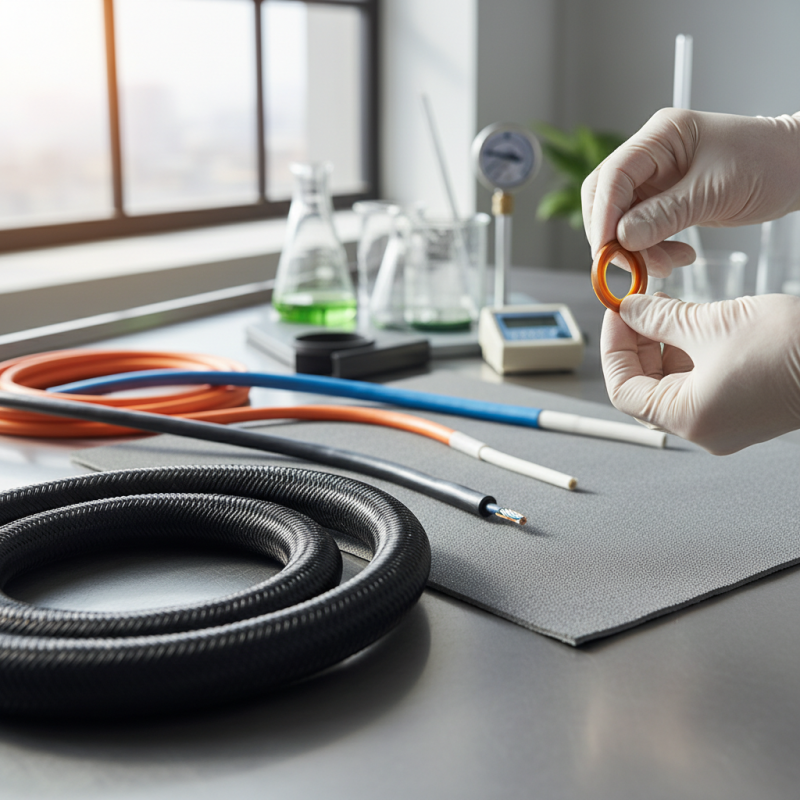
Key Properties of Chlorinated Polyethylene Rubber for Buyers
Chlorinated Polyethylene Rubber (CPE) possesses a range of key properties that appeal to buyers in various industries. Its excellent chemical resistance makes it suitable for applications in harsh environments. CPE effectively withstands exposure to oils, solvents, and acids. This resilience ensures longevity and reliability in end products, making it a preferred choice for manufacturers.
Another critical property of CPE is its flexibility across a range of temperatures. This rubber maintains its performance, whether in extreme heat or cold. Buyers benefit from this adaptability, particularly when products will be used outdoors or in fluctuating climates. The material's durability further enhances its appeal, allowing it to endure mechanical stresses without permanent deformation.
Tips: When selecting CPE, consider the specific environmental conditions your product will face. Assess the chemical exposure levels to ensure compatibility. It’s also wise to evaluate the processing techniques that will be used with the rubber, as they can influence its final performance.
Buyers should be cautious about the formulations they choose. Not all CPE products are created equal. Understanding the grade differences can make a significant impact on performance and cost-effectiveness. Look for technical data sheets that clarify the specific properties of the CPE you are considering.
Insight into Durability and Weather Resistance of CPE Rubber
Chlorinated polyethylene rubber (CPE) is gaining attention for its exceptional durability and weather resistance. One key feature of CPE is its ability to withstand harsh environmental conditions without compromising integrity. This resilience makes it suitable for outdoor applications such as roofing and automotive seals. The material remains stable even under extreme temperatures, ensuring longevity.
Another notable advantage is its resistance to a range of chemicals. CPE does not degrade easily when exposed to oils, acids, or alkalis. This resilient chemical stability is essential for industrial applications where exposure to corrosive substances is common. However, this strength also raises questions about the appropriate testing and certification needed for various environments.
CPE's weather resistance shines in applications where sunlight and moisture are prevalent. It can endure UV exposure without losing flexibility or strength. Yet, some users have noted that not all formulations are created equal; variations in processing methods can lead to differences in performance. Buyers should consider these factors when selecting the right product for their needs.
Top 5 Benefits of Chlorinated Polyethylene Rubber for Buyers
| Benefit | Description | Application Areas | Longevity |
| Durability | Highly resistant to wear and tear, making it ideal for extended use. | Automotive parts, industrial equipment sealants. | 10-15 years depending on usage conditions. |
| Weather Resistance | Excellent protection against UV rays, ozone, and moisture. | Outdoor applications, roofing membranes. | 5-15 years with proper maintenance. |
| Flexibility | Maintains flexibility in extreme temperatures. | Insulation, construction materials. | Variable; 5-10 years based on temperature exposure. |
| Chemical Resistance | Resistant to various chemicals, acids, and alkalis. | Chemical processing, packaging. | 10+ years if stored correctly. |
| Versatility | Can be molded into various shapes and forms for diverse applications. | Various industries including automotive, healthcare, and construction. | Depends on specific applications; generally long-lasting. |
Applications of Chlorinated Polyethylene in Various Industries
Chlorinated polyethylene (CPE) is gaining traction in various industries due to its unique properties. This thermoplastic elastomer demonstrates exceptional weather resistance, making it ideal for outdoor applications. According to a report by MarketsandMarkets, the CPE market is expected to grow significantly, driven by increasing demand in construction and automotive industries.
In the construction sector, CPE is widely used for roofing membranes and waterproofing applications. Its ability to withstand UV radiation and maintain flexibility under extreme temperatures enhances durability. A study published by Grand View Research highlighted that CPE's market share in the construction industry could reach 15% by 2025. However, the raw material sourcing for CPE raises environmental concerns that require contemplation.
The automotive industry also benefits from CPE's properties. It serves as a reliable material for seals, gaskets, and hoses. CPE's resistance to oils and chemicals ensures longevity in automotive applications. A recent analysis by ResearchAndMarkets estimated that demand for CPE in the automotive sector will show a steady increase, reflecting both innovation and challenges in sourcing sustainable materials.
Cost-Effectiveness of Chlorinated Polyethylene for Buyers
Chlorinated Polyethylene (CPE) rubber offers notable cost advantages for buyers. Industry reports indicate that CPE can reduce production costs by 15% compared to traditional synthetic rubbers. The reason lies in its versatile properties and ease of processing. Companies can save significantly on energy and labor, driving down overall costs.
Moreover, CPE demonstrates excellent weather resistance and durability. This longevity means less frequent replacements, ultimately saving money. In fact, studies show that products made with CPE last 30% longer than those made with alternative materials. This durability can be particularly beneficial for industries reliant on consistent performance.
Tips: When considering CPE, evaluate your specific needs. Assess if the long-term savings outweigh the initial investment. A thorough cost-benefit analysis is crucial.
Another crucial aspect is sourcing. Not all CPE products are equal. Industrial standards can vary, impacting performance and costs. Research suppliers to ensure quality. Investing time upfront can lead to better long-term outcomes.
Environmental Considerations and Safety of CPE Rubber Usage
Chlorinated Polyethylene (CPE) rubber has gained attention for its environmental compatibility and safety aspects. In various reports, it’s noted that CPE displays excellent resistance to weathering and ozone, which helps it last longer. This longevity reduces waste in landfills. Studies show that CPE can be recycled, contributing to a circular economy. “Recycling rate for CPE can reach up to 30%,” according to industry sources.
However, while CPE is often praised for its low environmental impact, it is critical to consider its production process. The use of chemical additives during manufacturing must adhere to strict safety guidelines. Ensuring compliance reduces potential harm to both human health and the ecosystem. Reports emphasize the importance of thorough testing in this area. The industry continually seeks better methods to reduce emissions during production.
Tip: When choosing materials for projects, prioritize those that are certified safe and environmentally friendly. Always ask about recycling options.
Proper disposal of CPE at the end of its lifecycle is equally essential. While it is generally safe, inappropriate disposal can lead to environmental concerns. It’s worth noting that awareness and education on this topic are still lacking. Engaging with reliable sources can enhance knowledge about proper handling and disposal.
Tip: Keep updated with the latest industry guidelines. Staying informed helps in making environmentally conscious choices.