Top Forklift Collision Detection System Benefits for Your Business?
In an evolving industrial landscape, safety remains a top priority. The Forklift Collision Detection System is a pivotal innovation for businesses relying on material handling. By integrating this cutting-edge technology, companies significantly reduce accident rates and enhance workplace safety.
This system uses advanced sensors and real-time data analysis to detect potential collisions. It provides audible alerts and automatic braking to prevent accidents before they happen. Imagine a bustling warehouse where every movement is tracked, and risks are mitigated in real time. Such precision not only protects employees but also minimizes damage to equipment and inventory.
However, some businesses may feel skeptical about the implementation costs and complexity. Transitioning to a high-tech solution can be daunting, and not every organization has the required expertise. Reflecting on these challenges is essential for ensuring a smooth integration of the Forklift Collision Detection System. Investing in safety should never be an afterthought; rather, it can be a transformative step towards operational excellence.
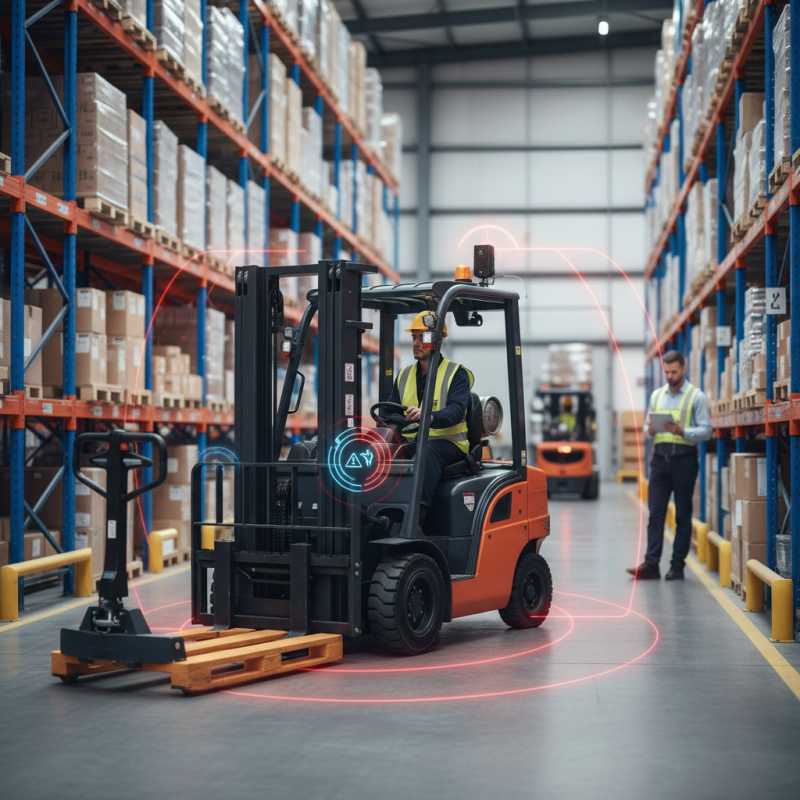
Benefits of Forklift Collision Detection Systems for Workplace Safety
Forklift collision detection systems are crucial for enhancing workplace safety. According to a recent study by the Occupational Safety and Health Administration (OSHA), nearly 34,000 forklift-related injuries occur annually in the U.S. These incidents can lead to significant downtime and liability costs. Implementing collision detection technology can reduce these accidents by up to 50%.
This technology uses sensors and cameras to monitor the environment. It alerts operators to potential collisions, allowing for timely interventions. Facilities that have adopted such systems report a decrease in accident rates. A survey by the National Safety Council indicated a substantial improvement in safety culture in companies that utilize collision detection systems. These tools promote a safer work environment, but the integration process may pose challenges.
Designing an effective system requires understanding specific workplace dynamics. Not all environments are the same, and a one-size-fits-all solution might fall short. This highlights the importance of customization based on operational needs. Continuous training for operators also plays a key role in maximizing the effectiveness of these technologies. Safety protocols must evolve along with technological advancements for optimal protection.
Top Forklift Collision Detection System Benefits for Your Business
| Benefit | Description | Impact on Business |
| Enhanced Workplace Safety | Minimizes risks of collisions between forklifts and employees or equipment. | Reduces accident rates and liability claims, improving overall safety culture. |
| Increased Productivity | Allows operators to focus on their tasks without fearing accidents. | Improves operational efficiency and workflow within warehouses. |
| Cost Savings | Reduces costs associated with accidents, damages, and insurance premiums. | Increases profitability through lower operational costs and reduced downtime. |
| Real-time Monitoring | Provides live updates on forklift movements and potential hazards. | Facilitates immediate response to incidents, enhancing safety measures. |
| Compliance with Regulations | Helps businesses adhere to safety regulations and standards. | Avoids penalties and promotes a positive reputation in the industry. |
Enhancing Operational Efficiency with Forklift Collision Detection Systems
Enhancing operational efficiency is vital for modern warehouses. Forklift collision detection systems play a crucial role in this aspect. According to a report by the National Safety Council, nearly 100,000 injuries occur annually due to forklift accidents. These systems significantly reduce risks and enhance safety in high-traffic areas.
The integration of advanced sensors and alerts can improve visibility around forklifts. It minimizes blind spots, allowing operators to see obstacles in real-time. This feature leads to quicker decision-making and reduces the chance of collisions. Reports indicate that businesses implementing these systems have seen a 30% decrease in accidents. The financial impact of reduced accidents isn't just about safety; it also enhances productivity.
Nevertheless, businesses must be aware of potential challenges. Proper training is essential to maximize these systems' benefits. Some workers may resist new technology. Regular assessments of technology performance are necessary. This reflection helps in adapting systems to meet specific operational needs effectively. Investing in forklift collision detection systems brings noticeable benefits, but the journey demands commitment and ongoing evaluation.
Reducing Workplace Injuries through Advanced Collision Detection Technology
Forklift collisions can lead to severe injuries in the workplace. Advanced collision detection technology is transforming safety protocols in warehouses and factories. This innovation helps identify potential accidents before they happen. By using sensors and alerts, operators can be warned about impending collisions. Such proactive measures can significantly minimize risks.
Incorporating this technology into your business can create a safer environment. Employees feel more secure knowing that their safety is prioritized. Furthermore, reduced workplace injuries can lead to fewer medical claims. This reduction can lower insurance premiums over time. However, implementing new systems requires proper training. Employees must understand how to utilize the technology effectively.
While the benefits are substantial, challenges do exist. Some workers may resist changes, fearing it adds complexity to their tasks. Additionally, the initial investment can be daunting for some businesses. Balancing safety improvements with operational costs requires careful consideration. It's essential to reflect on these challenges and strive for continuous improvement in safety standards.
Cost Savings Achieved with Forklift Collision Prevention Solutions
Forklift collision prevention solutions can lead to significant cost savings for businesses. When collisions occur, repair costs and downtime can accumulate quickly. Investing in proper detection systems minimizes these incidents. Studies show that workplaces with such systems experience fewer accidents. This means lower insurance premiums and reduced liability. Over time, these savings can considerably offset the initial investment in technology.
Moreover, enhancing safety can improve employee morale. Workers feel safer when they know systems exist to protect them. This security can lead to higher productivity. However, it’s essential to train employees adequately on new systems. Without proper training, even the best technology can fall short.
Emphasizing preventative measures allows companies to create a safer work environment. Yet, challenges may arise. Implementation may require adjustments in workflow. Continuous evaluation of the system is necessary. Regular feedback helps identify any shortcomings. This iterative process of improvement not only enhances safety but also ensures continued cost-effectiveness.
Improving Compliance and Safety Standards with Collision Detection Systems
Forklift collisions can lead to severe injuries and costly damages. Implementing a collision detection system enhances safety. These systems use sensors to monitor the environment. They alert operators to potential hazards in real time. This proactive approach reduces the risk of accidents significantly. Improved safety protocols enable businesses to comply with industry regulations.
An effective collision detection system can bolster compliance efforts. It provides clear data on safety incidents and near misses. This information is crucial for risk assessment. Managers can use the data to adjust training programs. Enhanced training reduces operator error, another common cause of accidents. Regular reviews of safety standards also become more manageable.
However, relying solely on technology isn't enough. Workers must remain vigilant. Regular drills and feedback loops are necessary. Communication between operators and managers fosters a culture of safety. Companies may struggle with this, as not all employees adapt quickly to new systems. Challenges exist, but the benefits far outweigh them. A collision detection system, with proper implementation, positively impacts workplace safety and compliance.