
Top 10 Benefits of Using Plug Valves in Industrial Applications?
In industrial applications, the choice of valve can significantly impact operational efficiency. One option gaining traction is the plug valve. This type of valve is known for its reliability and ease of use. Plug valves offer unique advantages that can benefit a variety of sectors, from oil and gas to water treatment.
The design of the plug valve allows for quick on-off control, making it effective in high flow situations. It ensures a tight seal when closed, which is crucial for preventing leaks. Additionally, maintenance on plug valves tends to be straightforward compared to others, which is a plus for any operation. Its durability further enhances its appeal, particularly in harsh environments.
However, these benefits do not come without considerations. Depending on the application, users should assess the specific requirements for flow regulation and compatibility with different media. While plug valves shine in many scenarios, they may not be the best fit for all systems. Reflecting on these aspects is vital to making informed decisions in industrial settings.
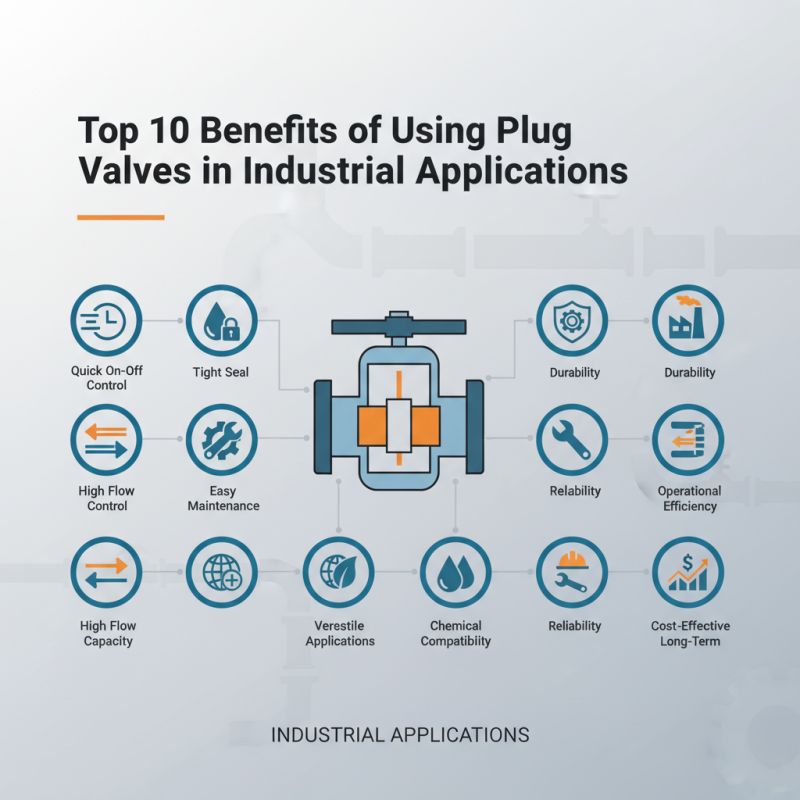
Top 10 Benefits of Using Plug Valves in Industrial Applications
In industrial applications, plug valves are gaining popularity. They offer several advantages due to their design and functionality. An American Petroleum Institute report highlights that plug valves can provide tight sealing capabilities with minimal leakage, making them ideal for high-pressure systems. Their simple rotary operation allows for quick opening and closing, which is crucial in time-sensitive processes.
Another significant benefit is their versatility. Plug valves can handle various media, including gases and liquids. The ability to manage different viscosities and temperatures is a vital aspect of many industrial operations. Moreover, a survey from the Valve Manufacturers Association indicates that plug valves require less maintenance compared to other valve types. However, improper installation can affect their performance and longevity.
Furthermore, they perform well in on-off services. This reliability can help in reducing downtime and ensuring continuous operations. An industry-grade analysis shows that plug valves are more compact. This feature saves space in crowded valve assemblies. Yet, users must remain aware of potential challenges, such as limited throttling capabilities, which could impact flow control in specific applications.
Enhanced Flow Control and Regulation in Pipeline Systems
Plug valves play a crucial role in enhancing flow control and regulation within pipeline systems. Their simple yet effective design allows for quick shut-off and precision operation. This functionality is essential in applications where consistent flow is vital, such as water treatment and oil transportation. A properly functioning valve can mean the difference between efficiency and operational delays.
Reliable flow regulation can be influenced by several factors. Plug valves minimize turbulence due to their straightforward passage. A smooth operation ensures that the fluid dynamics remain stable. However, it's important to note that not all applications will benefit equally. In some cases, the valve materials may not withstand extreme pressures or corrosive substances, leading to potential failures.
Maintenance of plug valves holds equal importance. Regular inspections ensure that they operate effectively, preventing costly breakdowns. Yet, even the best-maintained valves can face challenges, such as build-up or wear over time. A thoughtful approach to this can safeguard against disruptions in flow management. Balancing performance and longevity requires continuous monitoring and adjustment.
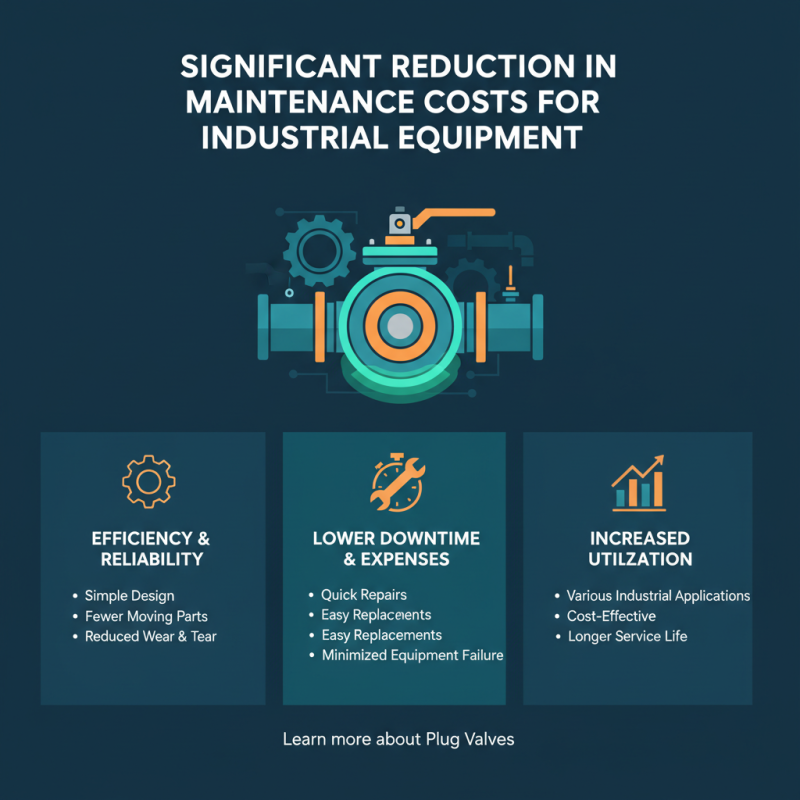
Significant Reduction in Maintenance Costs for Industrial Equipment
Plug valves are increasingly utilized in various industrial applications due to their efficiency and reliability. One of the most significant benefits is the marked reduction in maintenance costs. With their simple design and fewer moving parts, plug valves tend to result in lower wear and tear. This simplicity allows for quick repairs and replacements, minimizing downtime and expenses associated with equipment failure.
To maximize the longevity of plug valves, regular inspection is essential. Monitoring wear and ensuring proper lubrication enhances their performance. Using high-quality seals also aids in preventing leaks. Keep in mind that improper installation can lead to costly issues. Always consult experienced professionals to ensure correct fitting.
It's essential to note that while plug valves excel under many conditions, not every application suits them. Their flow characteristics may not be ideal for all media types. Evaluating your specific needs before making a decision can save you from future complications. A proactive approach to maintenance will ensure that your industrial equipment remains in top condition, effectively reducing operational costs over time.
High Durability and Longevity of Plug Valves Under Harsh Conditions
Plug valves are recognized for their durability in harsh industrial environments. Their robust design allows them to function effectively under extreme temperatures and pressures. According to a report by the International Journal of Engineering, plug valves can withstand pressures up to 600 psi, making them suitable for high-demand applications like oil and gas.
These valves often feature materials like brass or stainless steel, which enhance their longevity. A study published in the Journal of Materials Science highlights that stainless steel plug valves can last over 20 years with minimal maintenance. This longevity is critical in industries prone to frequent wear and failure, such as chemical processing.
However, it's essential to acknowledge that not all plug valves perform identically under severe conditions. While many boast high durability, some designs may struggle with certain chemicals that lead to corrosion. Regular inspection and maintenance are necessary to ensure their optimal functionality. Understanding these nuances can aid engineers in selecting the right valve for specific applications.
Improved Safety Standards and Risk Mitigation in Fluid Handling
Plug valves play a crucial role in enhancing safety standards in fluid handling. Their design allows for quick opening and closing, reducing the risk of leaks. This capability is vital in industries where hazardous materials are transported. The robust construction of plug valves prevents accidental discharges, protecting both workers and the environment.
Regular maintenance is essential. Ensure that valves are checked for wear and tear. Look for signs of corrosion, especially in corrosive environments. Operators should be trained in proper valve operations to minimize errors. Incorrect handling can lead to dangerous situations.
Another important aspect is the choice of materials. Selecting the right material can significantly impact safety. Different fluids require different materials to avoid reactions. Always consult with experts to make informed decisions. Keep an eye on the latest safety protocols and incorporate them into your fluid handling practices. Risk mitigation is a continuous process that demands attention.
Top 10 Benefits of Using Plug Valves in Industrial Applications
| Benefit | Description | Impact on Safety |
|---|---|---|
| 1. Reliable Sealing | Plug valves provide a tight seal, minimizing leakage of fluids. | Reduces risk of hazardous spills. |
| 2. Easy Operation | They can be quickly opened or closed, enhancing workflow. | Minimizes operator exposure to dangerous environments. |
| 3. Low Maintenance | Plug valves have fewer moving parts, reducing maintenance needs. | Less downtime, promoting a safer work environment. |
| 4. Versatile Usage | Suitable for various fluid types and pressures. | Reduces the chance of using incorrect valves for specific fluids. |
| 5. Compact Design | Their space-efficient design allows installation in tight areas. | Improves installation safety in confined spaces. |
| 6. Cost-Effective | Long-life span and reduced maintenance costs offer savings. | Allows reallocation of safety budgets. |
| 7. Enhanced Flow Control | Enables precise control over fluid flow rates. | Ensures processes are maintained within safe operating parameters. |
| 8. High Resistance to Corrosion | Material options available that withstand harsh chemicals. | Increases longevity and reduces risks of leaks. |
| 9. Straightforward Design | Simplistic internal design leads to fewer faults. | Minimizes operational hazards linked with complex valve designs. |
| 10. Environmentally Friendly | Reduction in waste due to improved sealing capabilities. | Promotes safety and compliance with environmental regulations. |
Conclusion
Plug valves are increasingly favored in industrial applications due to their numerous benefits. One of the key advantages is their enhanced flow control and regulation capabilities, making them ideal for managing pipeline systems efficiently. Additionally, plug valves contribute to significant reductions in maintenance costs for industrial equipment, thanks to their simple design and reliable performance. Their high durability ensures longevity even in harsh operating conditions, providing a cost-effective solution for various industries.
Moreover, the improved safety standards associated with plug valves play a crucial role in risk mitigation during fluid handling processes. Their versatility and adaptability allow for widespread use across different sectors, further emphasizing their value in industrial settings. Overall, the integration of plug valves leads to safer, more efficient, and economically viable operations in diverse industrial applications.
Related Posts
-
Understanding the Importance of Pneumatic Ball Valves in Modern Industrial Applications
-
Future Trends in Metering Valve Technology at 2025 China Import and Export Fair
-
What is a Pressure Valve and How Does it Work?
-
Understanding Industry Standards for the Best Actuator Valve and How to Choose the Right One
-
Mastering BFV Valves: A Comprehensive Tutorial on Selection, Sizing, and Optimization Techniques
-
Understanding the Functionality of Ball Check Valves in Fluid Control Systems
