
7 Best 321 Stainless Steel Sheet Suppliers Worldwide
Choosing a supplier for 321 Stainless Steel Sheet takes more than comparing prices. Buyers need to know what the material will face: welding heat, vibration, corrosive exposure, or repeated temperature changes. Grade 321 is titanium-stabilized austenitic stainless steel, commonly selected for elevated-temperature service. Still, the grade name alone cannot confirm suitability. Thickness tolerance, surface finish, dimensions, and documentation matter too.
Drawing on corrosion engineer Dr. Pierre R. Roberge’s published work, this article uses a practical principle: “Choose the alloy for the service conditions, not the catalogue description.” This is an editorial paraphrase, not a verbatim quotation. It reflects an important habit: describe the operating environment before judging a supplier’s offer. Ask for material test certificates, heat or lot traceability, and clear information about available finishes. Check whether the supplier can protect sheet edges and surfaces during packing. Small scratches can become costly distractions.
The seven suppliers featured here serve different markets and may offer different strengths, from broad stock ranges to custom processing. Compare their technical support, delivery communication, and ability to provide consistent documentation—not just their advertised inventory. No shortlist is perfect. A supplier with impressive catalogues may not suit a small, time-sensitive order. Treat this guide as a starting point, then verify current specifications and availability directly before purchasing.
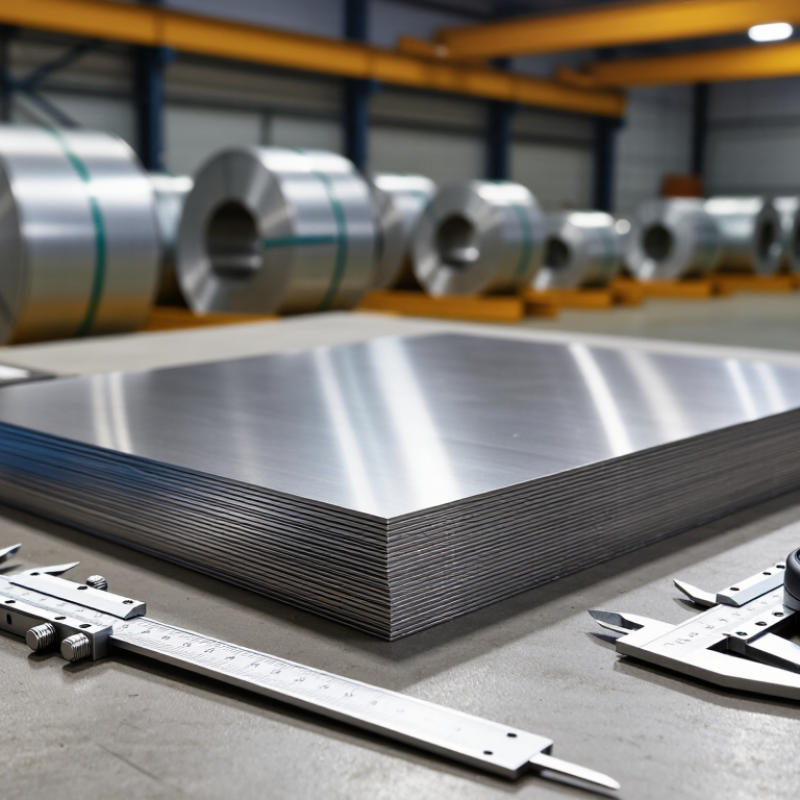
321 Stainless Steel Sheet: Composition, Properties, and Applications
7 Best 321 Stainless Steel Sheet Suppliers Worldwide
321 Stainless Steel Sheet: Composition, Properties, and Applications
321 stainless steel is an austenitic alloy containing chromium and nickel, with titanium added to stabilize its structure. That stabilization helps reduce chromium carbide formation during welding and heating. Exact composition limits depend on the applicable material specification, so check the mill test certificate before comparing sheets. Small differences matter.
The alloy offers useful oxidation resistance at elevated temperatures and good formability for cutting, bending, and fabrication. It is used in aircraft exhaust parts, furnace equipment, expansion joints, and welded process components. It is not immune to every corrosive environment; chloride exposure can still cause pitting. Service temperature, sheet thickness, and fabrication method all influence performance. A data sheet alone may not settle the choice.
Tips: Confirm the grade and thickness on the certificate. Ask whether the sheet was solution annealed, and review the specified test requirements. For welded parts, consider heat input and the finished surface. Test a sample if conditions are unusual. It is a modest step, but it can prevent a costly mismatch.
FAQS
It is an austenitic alloy containing chromium and nickel, with titanium added for stabilization. Exact composition limits depend on the material specification.
Titanium helps reduce chromium carbide formation during welding and heating. Small differences matter.
It offers oxidation resistance at elevated temperatures and can be cut, bent, and fabricated. Performance still depends on thickness and processing.
Applications include aircraft exhaust parts, furnace equipment, expansion joints, and welded process components. The actual service conditions should guide the choice.
No. Chloride exposure can still cause pitting, so check the environment before choosing the material.
Request a batch-specific material certificate, chemistry data, thickness tolerances, and test records. Confirm the grade and product form match your order.
Inspect sample sheets for edge condition, surface marks, flatness, and thickness variation at several points. I might check critical dimensions independently, even when the paperwork looks complete.
Confirm heat-number traceability, packing protection, lead time, and minimum order quantity. A low quote may not include freight or reinspection costs.
