
10 Best Flow Control Valves for Industrial Applications
Industrial systems rely on predictable flow to protect equipment, maintain product quality, and keep production steady. A flow control valve helps regulate fluid or gas movement by adjusting flow in response to operating needs. The right choice depends on more than pipe size. Pressure range, fluid properties, temperature, control accuracy, and maintenance access all matter. A valve that performs well with clean water may struggle with abrasive slurry or viscous oil. Small details matter.
This guide introduces 10 flow control valves suited to different industrial applications. It considers common designs, their practical strengths, and the conditions that can limit performance. You will find options for precise modulation, straightforward isolation and regulation, and demanding service environments. Installation details deserve attention, too. An undersized actuator, incompatible seal, or poor control signal can undermine an otherwise capable valve. These are easy issues to overlook when comparing product specifications alone.
No single model is best for every plant. Product availability, process data, and site experience can change the initial shortlist. Treat these selections as a starting point, then verify manufacturer documentation and operating requirements before choosing equipment. That extra review takes time. It can also prevent costly mismatches, unstable control, and avoidable maintenance. Even careful selection has limits: real operating conditions may reveal problems that a catalog cannot show.
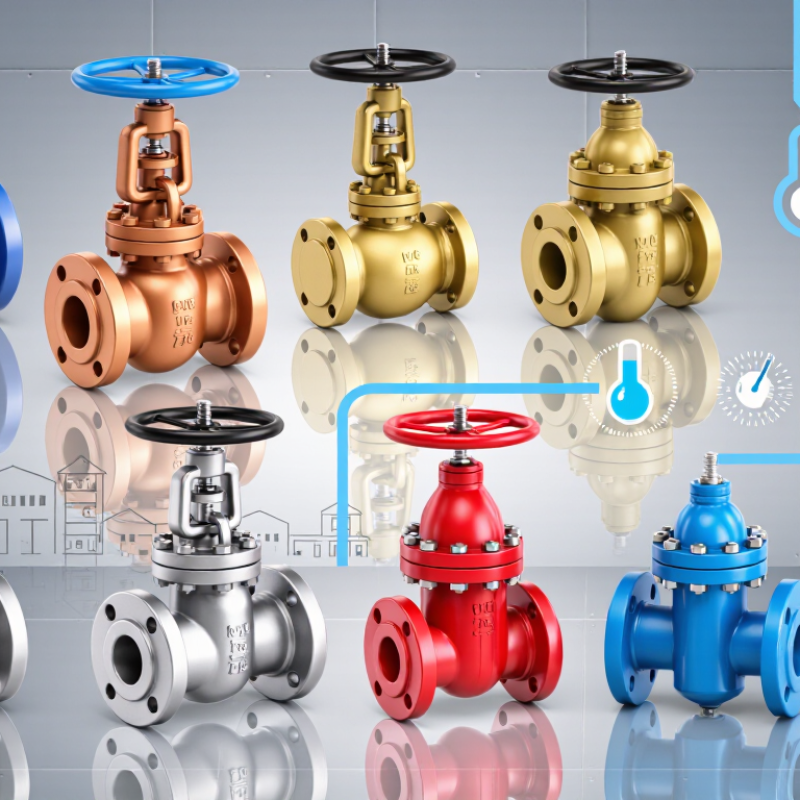
What Flow Control Valves Do in Industrial Systems
In industrial systems, flow control valves regulate how quickly liquids or gases move through pipes. They adjust the opening to manage flow, helping equipment receive the amount it needs as operating conditions change. A valve may respond to a controller, an actuator, or manual adjustment. Small changes matter.
On a cooling-water line, for example, a valve can reduce flow when a heat exchanger needs less cooling. In a hydraulic circuit, it can limit actuator speed and make movement steadier. The U.S. Department of Energy’s Improving Pumping System Performance: A Sourcebook for Industry reports that pumping systems account for nearly 20% of global electricity demand and 25–50% of energy use in some industrial facilities. That makes valve selection and tuning relevant to energy use, though throttling can also create pressure losses.
The right valve depends on fluid, pressure, temperature, required range, and how often the flow changes. Engineers also check sizing: an oversized valve may operate near its seat, while an undersized one can restrict needed flow. Not every problem needs a new valve. Sometimes the control signal, sensor location, or maintenance condition deserves a closer look. Real systems are messy; a clean calculation still needs field verification.
10 Best Flow Control Valves for Industrial Applications - What Flow Control Valves Do in Industrial Systems
| Valve type | How it controls flow | Typical industrial applications | Main advantages | Key considerations |
|---|---|---|---|---|
| Globe valve | A plug moves toward or away from a seat to regulate the flow passage. | Steam, cooling water, process fluids, and control loops requiring frequent adjustment. | Good throttling capability and predictable control over a broad operating range. | Typically creates more pressure drop than a straight-through valve; sizing and trim selection matter. |
| Needle valve | A fine, tapered stem makes small changes to a narrow flow opening. | Instrument lines, sampling systems, and low-flow dosing or metering services. | Allows precise manual adjustment at relatively low flow rates. | Not generally suited to high flow rates, rapid shutoff, or services containing particles that can clog the small passage. |
| V-port ball valve | A shaped port in the rotating ball changes the opening as the valve turns. | Process control for liquids, gases, and some slurries where rotary actuation is preferred. | Compact quarter-turn operation with useful throttling characteristics for a rotary valve. | The trim, seat, and actuator must match the fluid, differential pressure, and required control range. |
| Butterfly valve | A rotating disc varies the flow area inside the pipe. | Large-diameter water, air, and utility lines, including HVAC and water-treatment systems. | Lightweight, compact, and well suited to larger pipe sizes and automated operation. | Control performance depends on disc design and operating position; confirm pressure, temperature, and shutoff requirements. |
| Diaphragm valve | A flexible diaphragm moves against a weir or seat to restrict the flow path. | Corrosive or contaminated fluids, wastewater, and hygienic process lines with suitable construction. | The operating mechanism can be isolated from the fluid, and some designs have few fluid-trapping cavities. | Diaphragm material and pressure-temperature limits must suit the service; wear parts need periodic inspection. |
| Pinch valve | An actuator compresses a flexible sleeve to reduce or stop flow. | Abrasive slurries, powders in conveying systems, and fluids with suspended solids. | The sleeve provides a simple flow path and can protect mechanical parts from abrasive media. | Sleeve material, pressure, temperature, and cycle life constrain selection; fine control is design-dependent. |
| Eccentric rotary plug valve | An offset plug rotates to vary the opening, reducing sliding contact during operation. | Viscous fluids, slurries, and process services that need modulating control. | Rotary design can handle some dirty services and can provide useful throttling performance. | Confirm trim materials, solids content, shutoff class, and actuator torque for the specific application. |
| Pressure-reducing valve | A self-acting or pilot-operated mechanism adjusts the opening to regulate downstream pressure. | Steam, compressed air, and water distribution where equipment needs a lower, controlled supply pressure. | Maintains a downstream pressure set point as upstream pressure or demand changes within its operating limits. | It controls pressure rather than directly setting a fixed flow rate; correct sizing and installation are essential. |
| Back-pressure (pressure-sustaining) valve | The valve modulates to maintain an upstream pressure set point by restricting or releasing downstream flow. | Process loops, pump bypass lines, and systems that require minimum upstream pressure. | Helps stabilize upstream pressure as downstream demand varies. | Not a substitute for a correctly sized pressure-relief device where overpressure protection is required. |
| Pressure-compensated hydraulic flow control valve | An adjustable restriction and compensator maintain a more consistent flow as pressure differential changes, within the valve's operating range. | Hydraulic machinery, actuator speed control, and mobile or industrial hydraulic circuits. | Provides more stable actuator speed than a basic fixed orifice when load pressure varies. | Flow, pressure, fluid cleanliness, heat generation, and circuit configuration determine suitability. |
Selection note: Actual performance depends on valve size, trim, materials, actuator, fluid properties, operating conditions, and applicable standards. Verify manufacturer-certified data for the intended service.
Related Posts
-
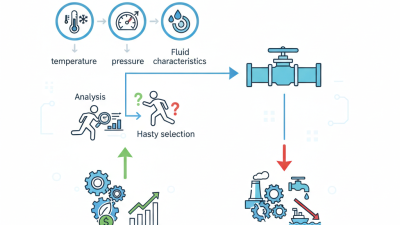
How to Choose the Right Flow Control Valve for Your System?
-
2026 Top Steam Control Valve Features You Should Know?
-
Unmatched Excellence in PTFE Lined Check Valves: Crafted in China, Delivered Worldwide
-

2025 Top 10 Air Valve Innovations You Must Know About
-
Understanding the Benefits of Ball Check Valves in Industrial Applications: A Comprehensive Guide
-
Ultimate Guide to Selecting the Right Industrial Valves for Your Applications
