Best FRP Pipe Machine for Efficient Pipe Production?
In the world of pipe production, the significance of an efficient frp pipe machine cannot be overstated. These machines play a crucial role in manufacturing high-quality fiberglass reinforced plastic pipes. With the demand for durable and lightweight piping solutions on the rise, selecting the right FRP pipe machine is essential. However, not all machines are created equal.
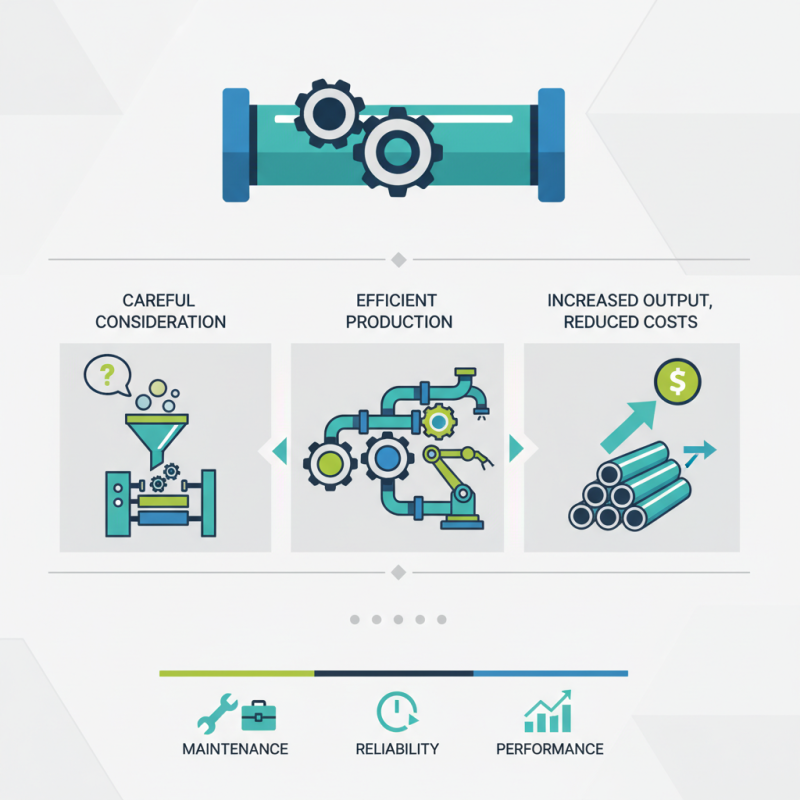
Many manufacturers look for machines that boost productivity while minimizing waste. An efficient frp pipe machine can significantly reduce costs and enhance output. Yet, choices are often driven by marketing claims rather than real performance. Buyers need to critically analyze features, maintenance needs, and long-term reliability.
Investing in an FRP pipe machine requires careful consideration and planning. The initial purchase might meet expectations, but operational challenges could arise later. Understanding common pitfalls and recognizing areas for improvement can lead to more informed decisions. Selecting the best machine can streamline operations and ensure successful pipe production.
Overview of FRP Pipe Machines and Their Importance in Production
FRP pipe machines play a crucial role in the production of high-quality fiber-reinforced plastic pipes. These machines streamline the manufacturing process, ensuring consistent quality and reduced waste. A reliable FRP pipe machine contributes to efficient production, meeting the demands of various industries. Understanding their mechanisms can enhance output and minimize downtime.
When selecting a machine, consider the range of production capacities. Some machines cater to high-volume needs, while others are better for smaller operations. Assessing your specific requirements will help in making an informed choice. Remember, quality should never be compromised for speed. An unreliable machine can lead to defects, costing time and resources.
Tips for operating FRP pipe machines effectively: Regular maintenance is key. Schedule inspections to avoid unexpected breakdowns. Training staff on machine operation can improve efficiency. Empower them to recognize signs of wear or malfunction. This proactive approach helps maintain production flow and keeps quality in check. Always reflect on your production outcomes; it’s a learning opportunity.
Best FRP Pipe Machine for Efficient Pipe Production
| Machine Type | Production Capacity (kg/hr) | Diameter Range (mm) | Power Requirement (kW) | Key Features |
| Continuous Type FRP Pipe Machine | 150 | 20-120 | 50 | High efficiency, automated control |
| Batch Type FRP Pipe Machine | 100 | 30-150 | 40 | Versatile, suitable for varying sizes |
| Hydraulic FRP Pipe Machine | 120 | 25-100 | 55 | Strong and durable, easy maintenance |
| Extrusion FRP Pipe Machine | 200 | 15-200 | 60 | High output, multi-layer production |
Key Features to Consider When Choosing an FRP Pipe Machine
When selecting an FRP pipe machine, several key features stand out. The machine's capacity is crucial. A higher output can significantly boost production efficiency. Producers need to assess their specific volume needs carefully. Customization options are also essential. The ability to tailor the machine for different pipe sizes makes a noticeable difference.
Another important aspect is material compatibility. The machine should effectively handle various raw materials. This flexibility enables manufacturers to optimize their supply chains. Energy consumption is worth considering too. Efficient energy use not only reduces costs but also supports sustainable practices.
Maintenance requirements often get overlooked. A machine that’s easy to maintain can save time and reduce downtime. However, some may find these tasks complex. It's vital to understand the learning curve involved. Moreover, the raw material's quality can vary. Machines that handle inconsistencies better will likely yield superior results. Careful evaluation of these features will lead to better investment decisions.
Types of FRP Pipe Machines and Their Specific Applications
Fiber-reinforced plastic (FRP) pipes are gaining popularity for their durability and lightweight properties. These pipes are ideal for various applications across industries, including water supply, sewage, and chemical processing. The effectiveness of FRP pipe production highly depends on the type of machine used. There are several FRP pipe machines, each designed for specific requirements.
One type is the filament winding machine. This machine excels in producing strong pipes through a process that involves winding continuous fibers around a rotating mandrel. Reports indicate that filament winding technology enhances the mechanical properties of the pipes, making them suitable for high-pressure applications. Data shows a projected growth rate of 5.4% for the FRP pipe market, which reflects increasing demand, especially in infrastructure projects.
Another key machine is the pultrusion system. This system is known for its efficiency in producing long sections of pipe with consistent profiles. It combines resin with reinforcement to create pipes that are both rigid and resilient. However, it may not perform well with complex designs or varying diameters. This limitation calls for further innovation in pultrusion technologies to meet diverse market needs. The FRP market's continuous evolution presents both challenges and opportunities for manufacturers aiming to optimize their production processes.
Efficiency Metrics for Evaluating FRP Pipe Machine Performance
When assessing the performance of FRP pipe machines, efficiency metrics are crucial. Production speed often serves as a key indicator. A study revealed that high-quality machines can produce pipes at rates exceeding 30 meters per minute. However, many machines struggle to maintain consistency at these speeds, leading to a reduction in overall efficiency.
Quality control also plays a significant role in production efficiency. Research indicates that 15-20% of pipes might fail inspection when using inferior machinery. This not only impacts material usage but also increases labor costs due to reworking defective pipes. A well-optimized machine should minimize these discrepancies, ensuring that less than 5% of produced pipes require re-testing or rework.
Energy consumption is another efficiency metric. Advanced FRP machines are designed to reduce energy usage by 30% compared to older models. Yet, operators often overlook this aspect, leading to higher operational costs. Efforts should be made to monitor and improve energy efficiency continually, as this can substantially impact overall profitability in pipe production.
Maintenance Tips for Optimal Operation of FRP Pipe Machines
Maintaining FRP pipe machines is crucial for efficient production. Regular maintenance can lead to a 20% increase in productivity, as per industry reports. One common oversight is neglecting to check the alignment of the machine components. Misalignment can result in uneven pipe thickness, which affects the overall quality.
Lubrication is another key aspect. Lack of proper lubrication can lead to friction, heat build-up, and ultimately, machine failure. Scheduled inspections every three months can help identify potential issues early. In a recent study, companies that implemented routine maintenance saw a 15% reduction in breakdowns.
Operators often underestimate the importance of cleaning. Dust and residual materials can impact resin flow, leading to production delays. A clean machine not only enhances performance but also extends its lifespan. It’s essential to integrate these maintenance habits into daily operations for optimal results. Regular training for operators can ensure adherence to these practices.