What is the Best Industrial RFID Terminal for Your Business?
In today's competitive landscape, selecting the right Industrial RFID Terminal can significantly impact operational efficiency. Industry expert Dr. Emily Carter states, "The right terminal can streamline workflows and enhance data accuracy." With various options available, businesses often struggle to determine the best fit.
An Industrial RFID Terminal should not only meet technical specifications but also align with business needs. Features like rugged design, battery life, and connectivity options play a crucial role. For many firms, the investment in this technology leads to substantial returns. However, it is vital to conduct thorough research to avoid common pitfalls.
Many companies overlook user requirements when choosing an RFID terminal. This oversight can lead to implementation challenges. A careful evaluation, coupled with expert insights, can steer businesses toward making informed decisions. Balancing cost with functionality is essential for long-term success in the RFID landscape.
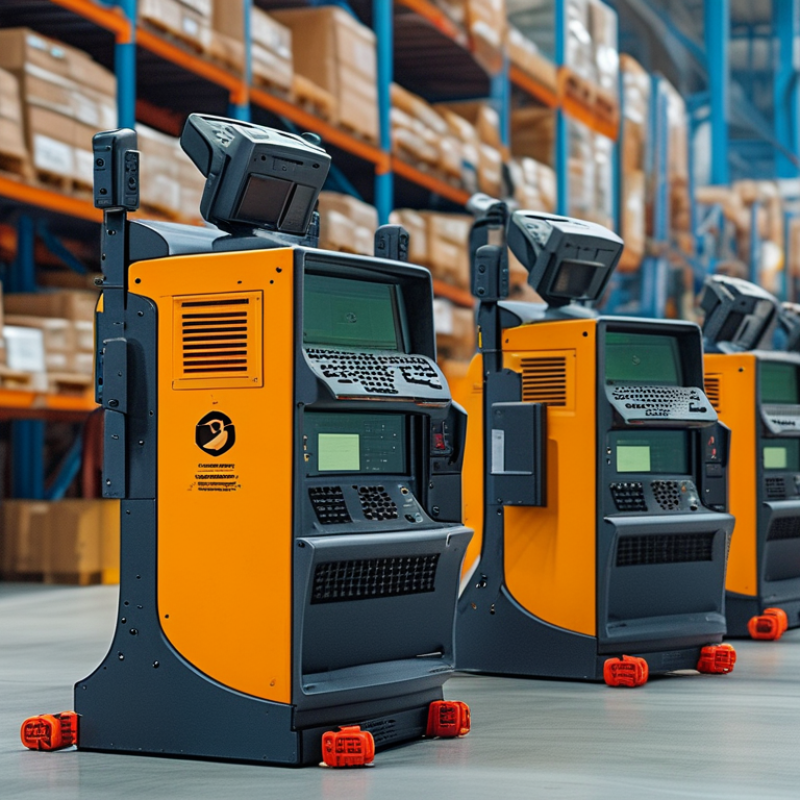
Understanding RFID Technology and Its Benefits for Industries
RFID technology has transformed industries by improving efficiency and accuracy in inventory management. This technology allows businesses to track assets in real time. RFID tags are attached to items, enabling automatic scanning. This reduces human error and saves time.
Tips: Start small when implementing RFID. Choose a single area to test the technology first. Measure the results before expanding. Training your staff is crucial for a smooth transition to RFID systems.
Understanding RFID's benefits is essential. It provides data-driven insights and enhances decision-making. By using RFID, companies can minimize losses and optimize supply chains. However, the initial investment might be a barrier for some. Assess your specific needs and budget carefully.
Tips: Make sure to involve your team in the decision-making process. Their insights can help identify pain points. Also, consider how the technology will evolve in the future. Adaptability is key for long-term success.
Key Features to Look for in an Industrial RFID Terminal
When choosing an industrial RFID terminal, several key features enhance its functionality. Durability stands out as a primary requirement. These devices often operate in harsh environments. A rugged design can withstand dust, moisture, and extreme temperatures. Look for models with an IP rating above 65 to ensure protection against elements and accidental drops.
Another important feature is the scanning range. Efficient RFID terminals should cover both short and long ranges. This flexibility allows for diverse applications within your business. When assessing range, consider the read speed as well. Fast scanning speeds increase productivity, especially in busy settings.
User-friendly interfaces are essential. Intuitive software and touchscreen capabilities can reduce training time. Employees will adapt more quickly to the technology. Battery life also needs attention. A reliable device should support extended usage to minimize downtimes. In the end, identifying the right combination of these features can feel overwhelming. Every business has different needs. Engage with your team to clarify specific requirements before making a decision.
Comparative Analysis of Leading Industrial RFID Terminal Brands
In the rapidly evolving field of industrial RFID technology, choosing the right terminal is crucial for operational efficiency. A 2022 market analysis showed that the global RFID market is projected to reach $30 billion by 2025. This growth highlights the importance of selecting reliable equipment that can enhance tracking and inventory management.
When comparing leading brands, focus on durability and read range. Many RFID terminals are built to withstand harsh environments. For instance, devices that meet IP67 certification can resist dust and water exposure. Moreover, a report by the International Journal of Advanced Technology outlines that read distance can significantly impact inventory accuracy. Short read distances may lead to missed scans, causing operational hiccups.
Another critical factor is battery life. Industry experts often recommend terminals with at least 8 hours of continuous use. Extended battery life can reduce downtime and promote efficiency. However, some devices may take longer to recharge, affecting workflow. Evaluating these performance metrics is essential for informed decision-making, as businesses strive for precision and reliability in their operations.
Cost-Benefit Analysis: ROI of Implementing RFID in Business
Implementing RFID technology can significantly enhance operational efficiency. A recent study found that 80% of companies saw improvements in inventory accuracy after adopting RFID systems. These systems reduce human error and speed up processes. In industries like retail and manufacturing, accurate data is critical for decision-making.
The cost-benefit analysis of RFID implementation reveals compelling returns on investment (ROI). Research indicates that companies can achieve a return of 30-50% within the first year. By reducing labor costs and minimizing stock loss, RFID enables businesses to save thousands annually. Additionally, RFID aids in reducing wasted resources, yet initial setup costs can be high. This disparity prompts further evaluation of long-term financial implications.
Many businesses underestimate the learning curve associated with new technologies. Employees may require extensive training, which leads to upfront costs. Despite these challenges, the long-term benefits often outweigh initial hurdles. A nearly 60% increase in operational visibility through RFID can transform supply chain dynamics. Understanding both the potential ROI and the challenges can guide businesses in making informed decisions.
Future Trends in Industrial RFID Technology and Applications
As industrial RFID technology evolves, businesses must keep up with trends to remain competitive. Future applications will include enhanced tracking of assets, inventory management, and streamlined operations. These advancements ensure greater accuracy and efficiency in various sectors, such as manufacturing and logistics.
Tips: Consider how RFID can solve specific challenges in your operations. Assess your current tracking methods and identify areas for improvement. Engage with experts to understand the latest technologies available.
Emerging trends indicate a shift towards more integrated systems. Companies are now focusing on IoT compatibility, allowing seamless device connectivity. RFID tags will become smaller and more powerful, enabling real-time data capture and analysis. This will help businesses make informed decisions quickly.
Tips: Evaluate your infrastructure to support new technologies. Plan for potential integration challenges and budget accordingly. Remember, not all solutions will work for every business; tailor your approach to fit your unique needs.
Industrial RFID Terminal Performance Comparison
This chart illustrates the performance comparison of various industrial RFID terminals based on key metrics such as read range, data processing speed, power consumption, and durability. Understanding these metrics can help businesses make informed decisions when investing in RFID technology.