
What Is the Best Rust Cleaning Agent in 2026?

Choosing the best Rust Cleaning Agent in 2026 is not simply a matter of selecting the strongest formula. Rust varies by surface, thickness, moisture exposure, and the metal beneath it. A product that works quickly on a steel tool may stain aluminum, dull painted panels, or damage a delicate finish.

Pierre R. Roberge, a respected corrosion-engineering authority, explains corrosion as “the degradation of a material due to reaction with its environment.” That principle matters when comparing modern rust removers. Effective evaluation should consider active ingredients, contact time, residue, odor, surface compatibility, and environmental handling. A reliable Rust Cleaning Agent should loosen iron oxide without attacking sound metal. It should also provide clear instructions for rinsing, drying, and preventing flash rust.

Real-world testing is essential. Apply a small amount to a hidden area. Watch the surface closely. Note the color change. Check whether the product leaves an oily film or a chalky residue. These details often matter more than a dramatic laboratory claim.

Still, no single formula wins every situation. Chelating agents can be gentle but slower. Acid-based products may act faster, yet demand greater care. Mechanical scrubbing may remain necessary for deep, layered corrosion. That is inconvenient.

This guide compares leading options through practical performance, safety information, material compatibility, and user experience. It also recognizes an uncomfortable truth: “best” depends on the job. A thoughtful choice protects the metal, saves time, and reduces avoidable rework.
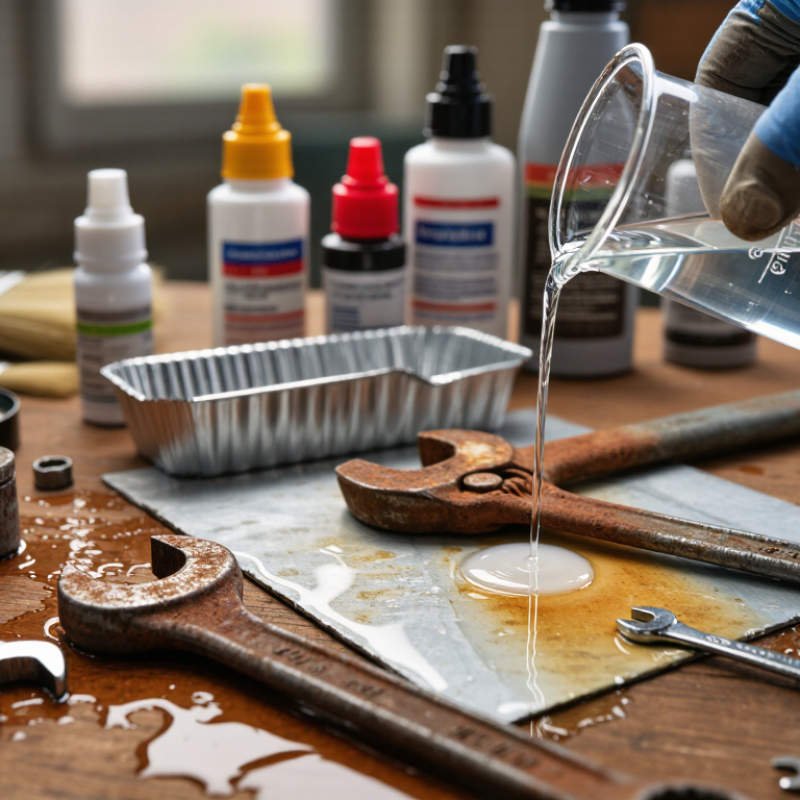
What Is the Best Rust Cleaning Agent in 2026?

What Makes a Rust Cleaning Agent Effective in 2026?

An effective rust cleaning agent in 2026 should remove corrosion without attacking the surface beneath it. The best formulas balance chemical strength, material safety, and practical control. Acids can dissolve rust quickly, but excessive exposure may dull chrome, weaken coatings, or damage nearby stone. Chelating agents often work more gradually. They bind iron oxides and may offer better control on delicate parts.

I test a small hidden area before treating the entire object. This simple habit has prevented expensive mistakes. A useful cleaner should show visible progress within its recommended contact time. It should also rinse clean, leave minimal residue, and reduce flash rust after drying. Clear instructions matter. Vague dilution guidance creates inconsistent results.

Surface temperature, rust thickness, and moisture can change performance. A thick orange layer may need gentle brushing and repeated applications, not one aggressive treatment. Ventilation, gloves, and eye protection remain sensible, even with milder formulas. “Eco-friendly” does not always mean harmless to every material. I have seen a supposedly gentle solution stain an old painted tool because I trusted the label too quickly. Compatibility testing and careful timing still matter more than marketing claims. In 2026, the strongest choice is a rust cleaner supported by transparent ingredients, tested directions, and evidence across steel, coated metal, and household surfaces.

How to Identify the Rust Type and Choose the Right Cleaner

What Is the Best Rust Cleaning Agent in 2026?

The best rust cleaner depends on the rust type, not the product label. Red rust appears orange-brown and powdery. It usually indicates exposed iron reacting with oxygen and moisture. Black rust, or magnetite, forms a darker, tighter layer. It can protect steel slightly, but it may hide deeper corrosion. White deposits on galvanized steel are different. They often indicate zinc corrosion, so aggressive iron-rust chemicals may damage the coating.

Start with a dry inspection and a small test area. Light surface rust usually responds well to a neutral chelating cleaner. Thick, flaky rust may need mechanical removal before chemical treatment. Phosphoric-acid cleaners can convert iron oxides, but they require careful rinsing and surface control. Alkaline degreasers remove oil, not rust. That distinction is easy to miss. In damp workshops, flash rust can return within hours after cleaning, especially on warm steel.

The NACE IMPACT study estimated global corrosion costs at about 2.5 trillion dollars annually, equal to roughly 3.4% of global GDP. That figure explains why correct identification matters beyond appearance. ISO 12944 also emphasizes coating preparation and environmental exposure when protecting steel. A coastal part needs a different treatment plan from an indoor tool. Test dwell time, residue, and surface roughness before full application. My practical caution is simple: a cleaner that works quickly may remove too much. Slower is sometimes safer.

Which Rust Cleaning Agents Work Best on Different Surfaces?

The best rust cleaning agent in 2026 depends on the surface, not the stain alone. NACE International’s IMPACT study estimated global corrosion costs at about $2.5 trillion annually, or 3.4% of global economic output. Choosing the wrong cleaner can worsen that loss through pitting, discoloration, or coating failure.

For carbon steel and iron, phosphoric acid works quickly and can leave a temporary protective phosphate layer. Oxalic or citric acid is gentler for tools, fixtures, and small household parts. Keep dwell times short, then rinse and dry completely. Stainless steel needs more restraint. Citric acid is usually safer than hydrochloric acid, while chloride-containing cleaners can trigger pitting and stress corrosion. ASTM G1-03 recommends controlled cleaning and careful inspection during corrosion evaluation.

Painted metal, porcelain, and glazed ceramic usually respond better to a chelating cleaner or diluted organic acid. Test an unseen spot first. The coating may look stable, then lose gloss overnight. Aluminum is another difficult case. Strong acids can darken or etch it, so a near-neutral chelator and soft nylon brush are safer starting points. Concrete and natural stone require caution. Acid may remove rust, but it can also roughen calcium-based surfaces. The U.S. Environmental Protection Agency’s Safer Choice framework emphasizes safer chemical selection and exposure reduction, but it does not make every cleaner suitable for every material. I still prefer a small test patch, because laboratory claims rarely match old paint, trapped moisture, and uneven rust in real homes.

What Is the Best Rust Cleaning Agent in 2026? – Which Rust Cleaning Agents Work Best on Different Surfaces?
Surface Rust Condition Recommended Agent Type Primary Cleaning Chemistry Typical Contact Time Application Method Surface Compatibility Important Precautions After-Cleaning Step
Plain carbon steel Light to moderate surface rust Phosphoric-acid rust converter or remover Phosphoric acid reacts with iron oxides and can leave an iron-phosphate conversion layer. Approximately 10–30 minutes, depending on product concentration and rust thickness. Brush or wipe onto a clean, dry surface; agitate with a nylon or non-metallic brush. Generally suitable when used as directed; effective on tools, brackets, and unpainted steel. Avoid prolonged contact, painted finishes, natural stone, and unprotected skin. Follow the product label. Rinse or wipe away residue, dry immediately, and apply primer, paint, or a corrosion inhibitor.
Heavily rusted steel or iron Thick scale, flaking rust, or pitting Chelating rust remover Water-based chelators bind iron oxides and remove rust without aggressively dissolving sound base metal. Several hours to overnight; heavy deposits may require repeated treatment. Submerge small parts or apply a saturated cloth to larger areas; use a plastic brush for agitation. Often gentler on intact steel than strong mineral acids and useful for detailed parts. Remove loose scale first. Do not allow the treated metal to dry during long applications unless the instructions permit it. Rinse thoroughly, neutralize or wipe according to the label, dry completely, and protect from flash rust.
Stainless steel Tea staining, light orange spots, or iron contamination Citric-acid-based cleaner Citric acid dissolves iron oxide deposits and is commonly used for stainless-steel passivation processes. Approximately 5–20 minutes for light contamination. Apply with a soft cloth or non-abrasive pad, working in the direction of the grain. Usually appropriate for stainless steel when diluted and rinsed correctly. Do not use steel wool or chloride-containing cleaners; avoid abrasive scrubbing that can damage the finish. Rinse with clean water, dry fully, and restore the brushed finish if necessary.
Chrome-plated metal Small rust spots or surface staining Mild citric-acid cleaner or non-abrasive metal polish Mild organic acids loosen iron oxide deposits; a non-abrasive polish can remove superficial staining. About 2–10 minutes; use the shortest effective dwell time. Apply to a soft microfiber cloth rather than flooding the surface. Suitable for intact chrome plating when abrasion and prolonged acidity are avoided. Do not use abrasive powders, wire brushes, or strong acids. Test an inconspicuous area first. Wipe clean, rinse residue away, dry immediately, and apply a compatible protective wax if appropriate.
Aluminum Light rust transfer from contact with iron or steel Neutral or mildly acidic chelating cleaner Chelating agents lift iron deposits while reducing the risk of aggressive attack on aluminum. Approximately 2–10 minutes, with close monitoring. Apply with a soft cloth or plastic brush; rinse promptly. Potentially suitable, but compatibility depends strongly on pH and additives. Avoid strong alkaline cleaners and concentrated acids, which can etch or discolor aluminum. Always perform a spot test. Rinse thoroughly with water, dry completely, and use an aluminum-compatible protectant.
Painted metal Rust bleeding, chips, or exposed steel Localized phosphoric-acid gel or neutral chelating cleaner Phosphoric acid converts exposed iron oxides; chelators remove rust with less risk to surrounding coatings. Approximately 5–15 minutes for localized treatment. Use a small brush or cotton swab only on the affected area. May be compatible with sound coatings, but the paint system must be tested first. Avoid spreading the cleaner over intact paint. Stop if softening, whitening, or color change occurs. Remove residue, dry the exposed metal, spot-prime, and repair the coating.
Concrete, brick, or masonry Orange rust stains from metal runoff Mild oxalic-acid or citric-acid masonry cleaner Organic acids dissolve iron oxide staining; oxalic acid is commonly used for rust stains on mineral surfaces. Approximately 5–15 minutes, followed by thorough rinsing. Pre-wet the surface, apply evenly, agitate lightly, and rinse with plenty of water. Often suitable for sound masonry, but porous or decorative materials require testing. Avoid use on acid-sensitive stone such as marble or limestone. Protect nearby plants, metals, and finished surfaces. Rinse until runoff is clear and allow the surface to dry completely before sealing.
Natural stone Rust staining on marble, limestone, or similar stone Stone-specific, acid-free chelating poultice Neutral chelating agents draw iron compounds from porous stone without relying on strong acids. Several hours to 24 hours, depending on stain depth and moisture movement. Apply as a poultice or approved paste and keep the treatment within the stained area. Preferred for acid-sensitive stone when specifically formulated for that material. Do not use hydrochloric, sulfuric, or other strong acids on acid-sensitive stone; test first and follow stone-care guidance. Remove the poultice, rinse gently, dry slowly, and reseal only when the stone is fully dry.
Fabric and upholstery Small rust marks on washable textiles Dilute citric-acid or oxalic-acid textile rust stain remover Organic acids dissolve iron oxide, allowing the stain to be flushed from fibers. Approximately 1–5 minutes; never allow the solution to dry. Blot from the outside toward the center, then rinse or launder according to the care label. May work on colorfast, washable fabrics after a hidden-area test. Do not use chlorine bleach on rust stains; it can make iron staining darker or more permanent. Rinse thoroughly, launder as directed, and air-dry only after confirming the stain is gone.

How to Apply Rust Cleaner Safely and Measure the Results

What Is the Best Rust Cleaning Agent in 2026?

The best rust cleaner is not always the strongest formula. It must match the metal, rust depth, coating, and working environment. The NACE IMPACT study estimated annual corrosion costs at about 2.5 trillion US dollars, equal to 3.4% of global GDP. Careful cleaning can prevent avoidable losses.

Read the safety data sheet before opening the container. Wear chemical-resistant gloves, sealed eye protection, and suitable work clothing. Provide fresh ventilation. Test a small hidden area for five minutes. Never mix cleaners. I made that mistake once with poor ventilation, and the odor became overwhelming. Apply a thin, even layer with a brush or low-pressure sprayer. Follow the stated dwell time, then scrub with a non-sparking pad. Rinse or neutralize only when the instructions require it.

Measure the result under the same light and camera angle. Photograph the surface before and after treatment. Use the ASTM D610 rust-grade scale for painted steel, or compare cleanliness with ISO 8501-1 visual references. For repeatable testing, mark a 10-centimeter square and estimate remaining rust coverage. Record dwell time, temperature, cleaner dilution, and rinse method. A shiny finish can mislead you. Rust may remain inside pits. Recheck the area after 24 to 48 hours, because flash rust can appear quickly. A simple inspection log often reveals more than appearance alone.

What Is the Best Rust Cleaning Agent in 2026?

Typical rust-removal performance after 30 minutes of controlled application on lightly rusted carbon steel.

Chelating agents such as EDTA are generally safer for controlled cleaning but work more slowly. Organic acids, including citric and oxalic acid, provide a practical balance between rust removal and substrate protection. Phosphoric acid commonly delivers the fastest visible conversion of iron oxides, but it requires stricter ventilation, glove, eye, and rinse-water controls.

Values represent typical literature-based working ranges for uncoated carbon steel under controlled laboratory conditions; actual results vary with rust thickness, concentration, temperature, contact time, and rinsing. Measure performance by weighing a cleaned, dried coupon before and after treatment and calculating rust removal from the recovered oxide mass.

How to Compare Rust Cleaners by Strength, Safety, Cost, and Sustainability

What Is the Best Rust Cleaning Agent in 2026?

The best rust cleaner is not always the strongest one. Compare removal speed, material compatibility, worker exposure, and total cost. A highly acidic formula may clear orange flakes quickly, but it can dull zinc, stain stone, or roughen polished steel. Check the safety data sheet, pH, required gloves, ventilation, and contact time. A cleaner that needs 20 minutes may be safer than one requiring repeated scrubbing. In practice, I test a small hidden area first. That step is easy to skip, and costly to regret.

Cost should include more than the bottle price. Measure the amount used per square metre, water consumption, protective equipment, labor, and waste handling. NACE’s IMPACT study estimated global corrosion costs at about $2.5 trillion annually, equal to 3.4% of global GDP. It also reported that 15–35% of corrosion costs could be avoided through better practices. A slower cleaner may therefore be cheaper if it protects the surface and reduces rework. Price alone misleads.

Sustainability needs closer inspection. Look for lower hazardous-substance content, concentrated packaging, recyclable containers, and clear wastewater instructions. The U.S. EPA’s Safer Choice framework assesses ingredients and product performance, offering a useful comparison point. However, a “green” label does not prove strong rust removal. Ask for independent test methods, coverage data, and corrosion results. I would compare treated panels, not advertising claims. Even then, my judgment remains imperfect because household water quality, rust thickness, and surface age change the result.

keep me informed

Subscribe

By clicking SEND means that you agree to our Terms & Conditions, Privacy and Cookie Policies.