
10 Best Vegan Gelatine Powder Suppliers for Global Buyers
Choosing a reliable Vegan Gelatine Powder supplier takes more than comparing prices. The name can describe different plant-based gelling ingredients, including agar, pectin, carrageenan, and tailored blends. Their setting strength, texture, and heat tolerance can vary considerably. A powder that works well in fruit gummies may not suit a clear dessert or a vegan marshmallow. Small differences matter.
This guide introduces ten suppliers for global buyers and highlights practical points to check before requesting a quote. Look for clear technical data sheets, ingredient specifications, batch traceability, and recent quality documents. Ask how the powder performs at your target pH and temperature, and whether samples are available for trials. Check minimum order quantities, packaging options, lead times, and export experience. Details like a sealed sample pouch or a readable lot code can reveal how carefully a supplier handles everyday operations.
A supplier’s claims still deserve scrutiny. “Vegan” does not automatically mean suitable for every dietary preference, production line, or market. Confirm ingredient sources, processing aids, allergen controls, and applicable documentation directly with the company. Compare like with like: one blend may contain added sugar or carriers, while another may be a single ingredient. This is easy to miss. The strongest choice is not always the largest supplier or the lowest bid. It is the one whose product, records, communication, and supply capacity fit your application. No shortlist can replace a bench test, and even a careful review can leave questions worth asking.
What Vegan Gelatine Powder Is and How It Works
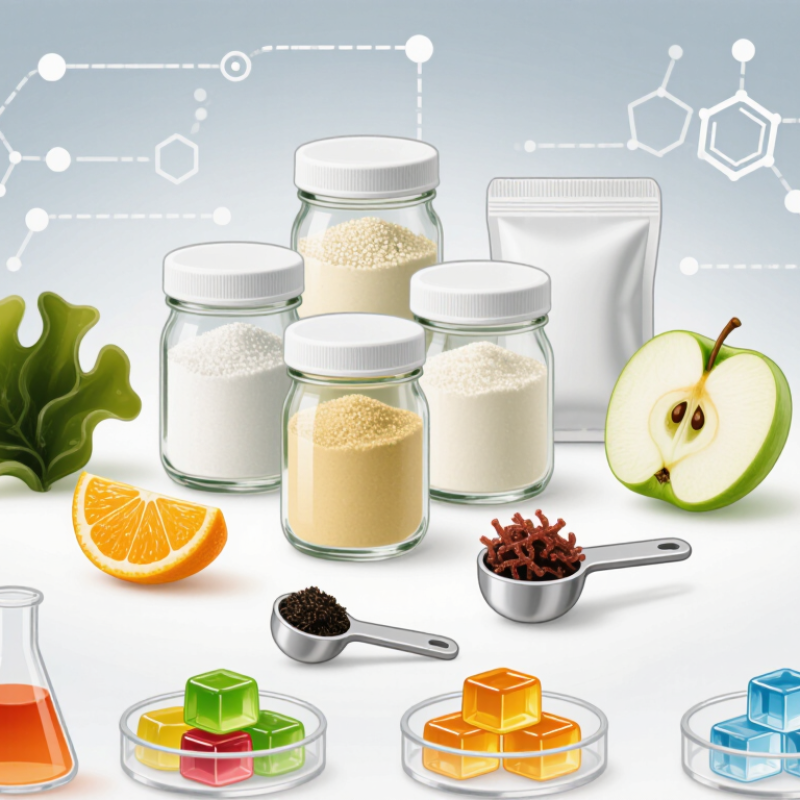
Vegan gelatine powder is not one ingredient with a single, predictable behavior. It usually refers to plant-derived gelling agents such as agar, pectin, carrageenan, or konjac, sometimes blended for a particular texture. That matters. Agar can set firmly as it cools, while pectin often needs the right balance of sugar and acidity. Carrageenan responds differently depending on its type and the minerals in the recipe.
Most powders need moisture and heat to disperse properly. Sprinkle the powder gradually into liquid while whisking, then heat according to its specifications; adding it all at once can leave stubborn lumps. As the mixture cools, its ingredients form a network that holds water and gives the food structure. Not quite the same. Unlike animal gelatin, many plant-based gels do not melt gently at body temperature, so the finished texture may feel firmer or less elastic.
For a fruit dessert, acidity can affect how pectin sets; for a clear jelly, an agar blend may be more suitable. Small tests help. Check the ingredient list, recommended dosage, setting temperature, and whether the powder needs sugar, calcium, or another aid. These details vary between formulations, and even a useful specification sheet cannot replace a trial in the intended recipe. A batch that sets well in water may behave differently in juice or a dairy-free mixture.

Vegan Gelatine Alternatives: Typical Use Levels
Representative starting-use ranges by weight in food formulations
Vegan gelatine powders use plant- or fermentation-derived hydrocolloids rather than animal collagen. When hydrated, these ingredients form networks that thicken or set liquids. Agar and pectin commonly gel as they cool or under suitable recipe conditions; carrageenan and gellan form gels depending on their type and the ions present. Ranges are indicative starting points, not universal specifications; the required amount varies by formulation and supplier.
Key Criteria for Evaluating Vegan Gelatine Powder Suppliers
Choosing a vegan gelatine powder supplier starts with the product’s intended use. A powder for gummy sweets may behave differently in a dessert or supplement. Ask for a specification sheet covering ingredients, recommended dosage, setting temperature, pH range, and storage conditions. Clear instructions help production teams avoid batches that set too softly or turn rubbery. Small differences matter.
Request a sample and test it in your own recipe, not only in a supplier’s demonstration. Record mixing time, heating temperature, texture after cooling, and performance after several days. A reliable supplier should explain which plant-based ingredients provide the setting function and share relevant quality and food-safety documentation. Check that documents match the exact product and manufacturing site. Paperwork can look tidy while leaving practical questions unanswered, so ask about batch traceability, minimum order quantities, lead times, and how specification changes are communicated. Response speed matters, but a confident answer is not proof; verify it against samples and records. Early tests may still miss issues that appear at commercial scale.
10 Best Vegan Gelatine Powder Suppliers for Global Buyers - Key Criteria for Evaluating Vegan Gelatine Powder Suppliers
Use these criteria to compare potential suppliers. “Vegan gelatine powder” generally refers to plant-based gelling ingredients or blends; performance depends on the ingredient, formulation, and processing conditions.
| No. | Evaluation criterion | What to verify with the supplier | Why it matters to global buyers |
|---|---|---|---|
| 1 | Gelling ingredient and composition | Request the ingredient list and identify whether the product uses agar, carrageenan, pectin, gellan gum, konjac, or a blend. Ask for the function of each component. | These ingredients are not interchangeable; their setting behavior and suitable food applications differ. |
| 2 | Application suitability | Confirm the intended use, such as confectionery, desserts, dairy alternatives, bakery fillings, or plant-based meat, and request application-specific formulation guidance. | A powder that works in one product may not deliver the desired texture or stability in another. |
| 3 | Technical performance data | Ask for the technical data sheet, recommended dosage, preparation instructions, and relevant test methods. Request samples for trials in the buyer’s own recipe and process. | Test results and clear processing guidance help buyers assess functionality before scale-up. |
| 4 | Batch consistency and quality controls | Review the certificate of analysis (COA), product specifications, batch traceability procedures, and the supplier’s process for handling out-of-specification results. | Documented controls support consistent production and help investigate quality issues. |
| 5 | Food-safety systems | Request current food-safety certificates where applicable, such as a recognized GFSI-benchmarked certification, and confirm the certificate scope covers the relevant site and product category. | Certification scope and validity matter; a certificate alone does not establish suitability for every market or product. |
| 6 | Vegan status and cross-contact controls | Ask for a written ingredient-origin statement and details of controls against animal-derived ingredients or cross-contact. Request certification only if it is relevant to the buyer’s requirements. | “Plant-based” descriptions and certification claims should be supported by documentation appropriate to the intended market. |
| 7 | Regulatory and labeling documentation | Check the ingredient’s permitted uses and labeling requirements in each destination market. Request an ingredient statement, allergen information, and relevant regulatory declarations. | Food regulations and labeling rules can differ by country and product category. |
| 8 | Allergen and contaminant information | Request the supplier’s allergen statement, contaminant controls, and testing information relevant to the ingredient and applicable regulations. | Buyers need accurate information to complete risk assessments and meet their own product-labeling obligations. |
| 9 | Supply capacity and logistics | Confirm available pack sizes, minimum order quantity, lead time, export experience, shipping terms, and procedures for managing supply interruptions. | Practical delivery capability is essential for import planning and uninterrupted production. |
| 10 | Packaging, storage, and shelf life | Review packaging specifications, storage conditions, shelf-life documentation, and handling instructions supplied for the specific product. | Appropriate storage and handling help preserve ingredient quality throughout transport and warehousing. |
Buyer note: Verify all specifications, certificates, regulatory statements, and commercial terms directly with the supplier before placing an order.
Profiles of 10 Suppliers Serving Global Buyers
The phrase “vegan gelatine powder” often refers to plant-based gelling ingredients, not animal-derived gelatin. These ten supplier profiles highlight different capabilities global buyers can assess. A regional hydrocolloid producer may offer agar or carrageenan in practical bulk sizes. Check the specification sheet. A specialist agar supplier may suit firm-set desserts, while a pectin processor may focus on fruit preparations. A carrageenan producer may serve dairy-free products, though performance depends on the full recipe. A blended-ingredient supplier can offer ready-to-test formulations, but buyers should request the exact ingredient breakdown.
An organic-focused distributor may provide certification documents for relevant products; verify their scope and expiry dates. A small-batch producer can be useful for pilot runs, although capacity may be limited. A contract blender may adjust particle size or blend ratios to match production needs. Ask for a sample. An export-oriented wholesaler may coordinate shipping documents and consolidated orders, but delivery terms should be confirmed in writing. A technical-service supplier may help troubleshoot setting time, heat tolerance, and texture with application tests.
Compare all ten profiles against your own process, not just price per kilogram. Request current specifications, allergen statements, traceability details, and sample results. Even a clean-looking powder can behave differently in acidic or high-sugar recipes. That detail is easy to miss. Supplier claims are a starting point; confirm performance on your equipment and with your intended product.
Comparing Suppliers by Ingredients, Certifications, and Supply Capacity
Vegan gelatine powders are usually plant-derived gelling agents, not gelatin. Compare suppliers by the actual ingredients: agar, pectin, carrageenan, konjac, or a blend. Each behaves differently. Agar can set firmly, while pectin often needs the right sugar and acidity. Ask for a technical data sheet and a sample recipe before comparing prices. A clear ingredient list matters.
Certifications help buyers assess manufacturing controls, but check their scope and validity. A food-safety certificate does not prove that a product is organic or suitable for every diet. Request current certificates, allergen statements, origin details, and batch traceability. For a practical test, prepare the powder in your own beverage or confectionery base. Record the temperature, setting time, texture, and storage conditions. Small differences show up.
Supply capacity deserves equal attention. Ask about minimum order quantities, typical lead times, production locations, and contingency stock. Request recent specifications and sample test reports for multiple lots; one good sample is not enough. Confirm packaging sizes and whether the supplier can maintain consistent particle size and gel strength at higher volumes. I would not choose on price alone. A low quote can hide long lead times or inconsistent performance, and buyers sometimes overlook those risks.
How to Select and Source a Supplier for Your Market
Choosing a vegan gelatine powder supplier starts with your product, not a catalogue. A dessert, gummy, and plant-based capsule may need different setting strength, texture, and heat tolerance. Ask for a technical data sheet, ingredient origin, allergen information, and a recent certificate of analysis. Check whether the powder performs consistently across batches. Small details matter. Request samples and test them in your own recipe, using the same mixing temperature, acidity, and setting time planned for production.
Tips: Record the sample’s lot number and test date. Compare firmness, clarity, mouthfeel, and setting time side by side. Ask suppliers about minimum order quantities, lead times, packaging sizes, and export documents. Get answers in writing.
A promising sample is only one part of a reliable supply plan. Confirm how the supplier manages traceability, storage conditions, and batch complaints. Discuss whether specifications can be held steady as order volumes grow. For international sourcing, clarify shipping terms and how the powder should be protected from moisture during transit. A low quote can hide costs in testing, delays, or unsuitable packaging. I would not assume that “vegan” means the powder fits every dietary or processing requirement; verify the documentation relevant to your market. Some comparisons take longer than expected. That is worth admitting before placing a large order.
