What is a Bluetooth Thermal Sensor and How Does it Work?
Bluetooth Thermal Sensors are emerging as valuable tools in various fields, including healthcare, agriculture, and smart home technology. These sensors enable wireless temperature monitoring, allowing users to track temperature changes in real-time from a distance. The technology utilizes Bluetooth connectivity to send data to smartphones or other devices, creating an efficient way to manage temperature-sensitive environments.
In healthcare, a Bluetooth Thermal Sensor can monitor patients’ body temperatures continually. This helps professionals respond quickly to fever or other conditions. Similarly, in agriculture, these sensors can monitor soil and air temperatures, ensuring optimal growing conditions. The versatility of Bluetooth Thermal Sensors highlights their potential impact across industries.
While this technology offers significant benefits, challenges remain. Battery life and connectivity issues can affect reliability. Additionally, users must understand how to interpret sensor data correctly. Misinterpretations may result in poor decision-making. However, as Bluetooth Thermal Sensor technology evolves, it promises to enhance efficiency and precision in temperature management.
What is a Bluetooth Thermal Sensor?
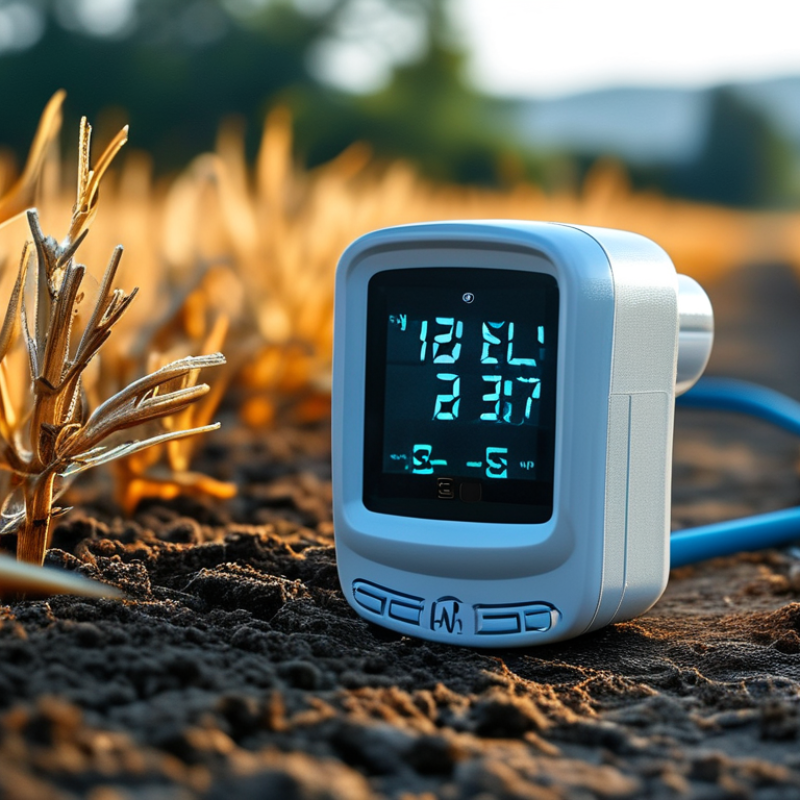
A Bluetooth thermal sensor is a specialized device used to measure temperature remotely. These sensors utilize Bluetooth technology to transmit data wirelessly to other devices, such as smartphones or computers. This feature allows users to monitor temperature changes in real-time, making it practical for various applications from home automation to healthcare.
According to a report by Research and Markets, the global market for Bluetooth-enabled thermal sensors is expected to grow significantly, projected to reach $1.6 billion by 2025. The rise in demand is driven by industries requiring efficient temperature monitoring. For example, in healthcare, these sensors aid in tracking patient temperature without direct contact, enhancing patient comfort and safety.
While Bluetooth thermal sensors offer convenience, they are not infallible. Signal interference and range limitations can affect accuracy. Misinterpretations may arise due to improper calibration or environmental factors. Users should regularly check and ensure the sensor's reliability to maintain accurate performance. Maintenance and awareness of potential pitfalls are essential for maximizing their effectiveness.
Key Components of Bluetooth Thermal Sensors
Bluetooth thermal sensors integrate several key components that work together to deliver accurate temperature readings. The essential element is the temperature sensor itself, commonly made from thermocouples or thermistors. These sensors convert thermal energy into electrical signals. According to recent industry reports, thermistors provide a high level of sensitivity, making them ideal for various applications, such as medical monitoring and industrial controls.
Another vital component is the Bluetooth module. This module allows for wireless connectivity, facilitating real-time data transmission to smartphones or other devices. With the growing demand for smart home technology, the Bluetooth market is expected to reach $60 billion by 2025. The integration of these sensors into smart devices has become crucial for efficient monitoring.
Power management also plays a significant role. Many Bluetooth thermal sensors utilize low-energy technologies to extend battery life, which is especially important in remote applications. However, there are still challenges regarding data accuracy under certain conditions. Environmental factors can introduce variances in temperature readings, thus requiring regular calibration. This aspect highlights the importance of understanding the limitations and potential for improvement in Bluetooth thermal sensor technology.
How Bluetooth Thermal Sensors Measure Temperature
Bluetooth thermal sensors have revolutionized the way we measure temperature in various environments. They utilize advanced technology to provide accurate readings without the need for direct contact. These sensors typically employ thermocouples or thermistors, which change resistance based on temperature variations. The change in resistance is translated into a temperature reading, allowing for precise monitoring.
The data collected by these sensors is transmitted via Bluetooth to nearby devices, such as smartphones or computers. This wireless communication enables real-time monitoring and easy data logging. Users can track temperature trends and receive alerts for anomalies. For instance, in a home setting, parents can monitor a baby's room temperature from their phones. However, the effectiveness can sometimes depend on the sensor’s placement and surrounding conditions.
Despite their benefits, challenges remain. Calibration of sensors may vary, leading to discrepancies in data accuracy. Environmental factors, like humidity, might also influence readings. Users should understand these limitations and consistently check sensor performance. Regular updates and maintenance can improve reliability, but awareness of possible errors is crucial for accurate temperature monitoring.
Communication Mechanism of Bluetooth Thermal Sensors
Bluetooth thermal sensors are innovative devices used to measure temperature wirelessly. They utilize Bluetooth technology to communicate with smartphones or computers. This allows users to monitor temperature changes in real time. These sensors are often employed in various applications, from environmental monitoring to industrial processes.
The communication mechanism of Bluetooth thermal sensors relies on Bluetooth Low Energy (BLE). BLE is designed for low power consumption, making it ideal for battery-operated devices. The sensor collects temperature data and transmits it to paired devices. This transmission occurs at low intervals to conserve energy. However, maintaining a stable connection can sometimes be challenging. Interference from other wireless devices can disrupt the signal.
On the user end, a mobile app or software processes the data received from the sensor. This interface often displays temperature graphs and alerts for significant changes. However, not all users may find the interface intuitive. Some might struggle with setting up and managing the device effectively. It’s crucial to invest time in understanding the functionality to maximize benefits.
What is a Bluetooth Thermal Sensor and How Does it Work?
| Feature | Description |
| Type of Sensor | Digital Thermocouple |
| Measurement Range | -50°C to 150°C |
| Connectivity | Bluetooth Low Energy (BLE) |
| Power Supply | Rechargeable Battery |
| Data Transmission Frequency | 2.4 GHz |
| Typical Applications | Food Safety, HVAC Monitoring, Health Care |
| Operating Voltage | 3.3V to 5V |
| Response Time | Under 1 second |
| Compatibility | iOS and Android Devices |
Applications of Bluetooth Thermal Sensors in Various Industries
Bluetooth thermal sensors play a vital role across various industries, providing precise temperature monitoring in real-time. In healthcare, these sensors assist in tracking patient temperatures without direct contact, enhancing hygiene and comfort. For instance, the global healthcare automation market is projected to reach $125 billion by 2025, reflecting a surge in demand for non-invasive monitoring solutions.
In the food industry, Bluetooth thermal sensors ensure proper food storage temperatures, preventing spoilage. The CDC states that approximately 48 million Americans get sick from foodborne illnesses each year. Implementing thermal sensors can significantly reduce these incidents, safeguarding public health.
Tips: Regularly calibrate your sensors to maintain accuracy. Even minor deviations can lead to faulty readings.
In manufacturing, these sensors help monitor equipment temperatures, preventing overheating and costly downtimes. According to Frost & Sullivan, predictive maintenance can reduce equipment failure by up to 70%. However, industries must also consider the potential for technical failures in sensor connectivity. Staying aware of connectivity challenges can enhance operational reliability.
Tips: Invest in robust communication technologies to minimize data loss. A reliable connection is key for accurate monitoring and timely response.