What is a Butterfly Valve and How Does It Work?
A butterfly valve is a critical component in various industries. It controls the flow of liquids and gases. Known for its simplicity, the design consists of a disk that pivots to open or close the flow path. According to John Smith, a renowned valve expert, “The butterfly valve combines efficiency and reliability in operations.” Its usage spans water treatment, oil and gas, and HVAC systems.
Despite its effectiveness, the butterfly valve can pose challenges. For instance, improper installation may lead to leaks. Users must ensure correct sizing and material selection for their specific applications. Over time, wear and tear can also impact performance. Regular maintenance is essential to prevent these issues.
Understanding the butterfly valve's mechanics is vital for optimal function. Each component, from the actuator to the seat material, contributes to overall performance. Yet, many users overlook these details. This neglect may result in costly downtime. A deep comprehension of the butterfly valve can enhance system reliability and efficiency.
Definition and Structure of a Butterfly Valve
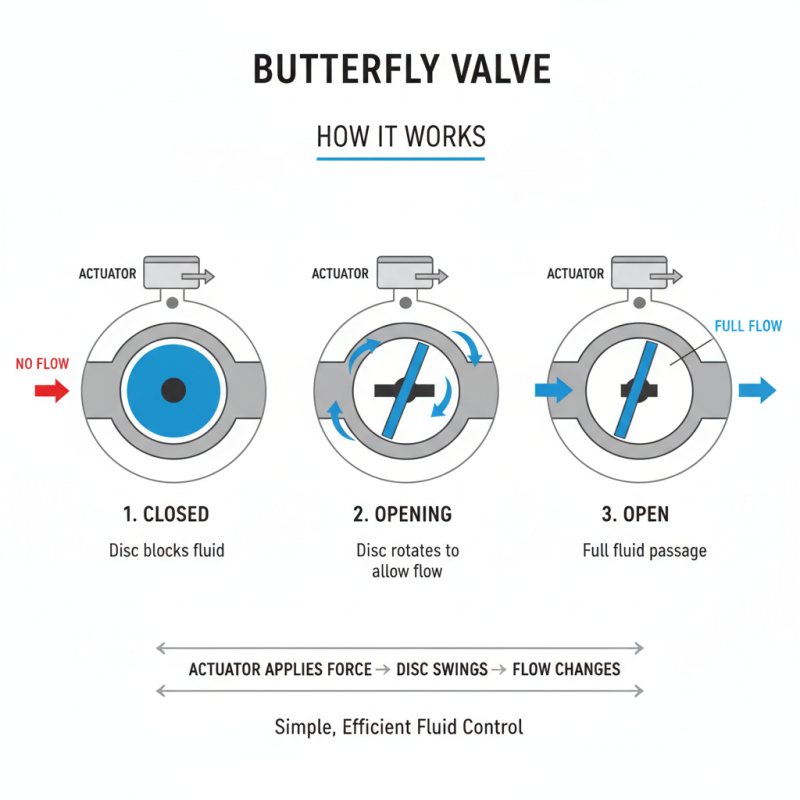
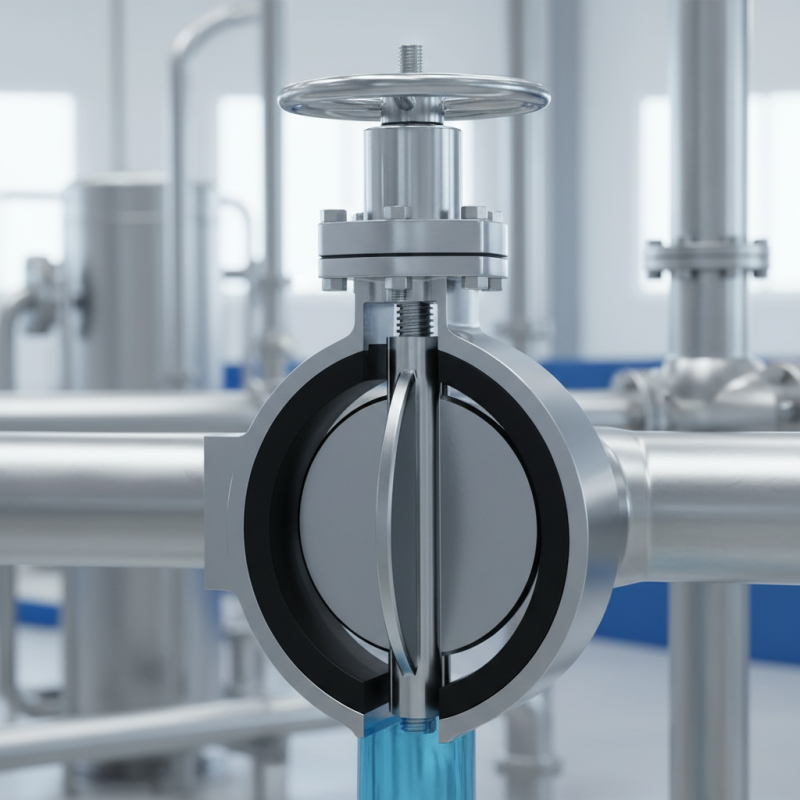
A butterfly valve is a simple yet effective flow control device. Its structure is distinct: a circular disc mounted on a rotating shaft. When the disc is rotated, it can either block or allow the fluid to flow through. This design enables quick and easy control over the flow rate, making it suitable for various applications.
The valve's body is generally made of durable materials like stainless steel or plastic. These materials enhance its longevity and resistance to corrosion. Data from industry reports indicates that butterfly valves can maintain effective performance in temperatures ranging from -40°C to 150°C. This versatility is crucial for sectors such as oil and gas, water treatment, and HVAC.
However, not all butterfly valves are created equal. The disc design can limit throttle control at lower flow rates. Some users may find this feature frustrating when precise flow regulation is needed. Moreover, installation can be tricky, especially in tight spaces. Users often overlook this detail, which leads to performance issues. Choosing the right type and size of valve matters significantly for optimal function.
Mechanism of Operation: How Butterfly Valves Control Flow
Butterfly valves are widely used to control fluid flow in various applications. Their operation is quite straightforward. When the valve is closed, a circular disc, known as a butterfly, is positioned in the center of the pipe. This disc rotates on a shaft, allowing or obstructing flow. It’s like a door swinging open or closed. The butterfly swings when the actuator applies force, changing the valve’s position.
The mechanism is efficient but not without its challenges. Achieving a precise flow rate can be tricky. If the valve isn’t perfectly aligned, it may not seal completely. This can lead to leakage, which is a problem in many systems. Operators must frequently check the alignment and the overall condition of the valve. Sometimes, maintenance can be overlooked, leading to performance issues.
Controlling flow through a butterfly valve requires careful attention. The angle of the disc directly affects the flow rate. A slight change in this angle can lead to significant changes in flow. Operators often must recalibrate settings to ensure optimal performance. There’s room for error, and that’s where awareness is key. Awareness of the system’s requirements can prevent costly mistakes down the line.
Advantages of Using Butterfly Valves in Various Applications
Butterfly valves are widely recognized for their efficiency and versatility in various applications. They are often used in industries such as water treatment, oil and gas, and HVAC systems. One major advantage is their compact design. They occupy less space compared to other valve types, making them suitable for tight installations. This feature can be particularly beneficial in large plants where space is at a premium.
In addition to their space-saving design, butterfly valves are easy to operate. They can be opened or closed with a simple quarter-turn. This quick action translates to faster flow control. Additionally, they require less torque to operate compared to traditional valves. This can reduce the size of the actuator and lower energy consumption. However, some users may overlook the necessity of proper maintenance. Over time, wear and tear can affect performance. Regular checks can help in identifying potential issues early on.
Another advantage is their ability to handle a range of flow media. They work well with liquids, gases, and slurries. This versatility makes them an attractive option for many industries. Yet, users must consider the specific requirements of their system. Not every butterfly valve suits every application. Understanding the limitations and capacities of a butterfly valve can prevent costly mistakes.
What is a Butterfly Valve and How Does It Work? - Advantages of Using Butterfly Valves in Various Applications
| Application |
Type of Fluid |
Pressure Rating |
Temperature Range |
Advantages |
| Water Distribution |
Water |
150 psi |
0 to 80°C |
Lightweight, Cost-effective |
| HVAC Systems |
Air |
100 psi |
-20 to 70°C |
Compact design, Quick operation |
| Chemical Processing |
Corrosive Liquids |
200 psi |
-10 to 150°C |
Versatile, Easy maintenance |
| Food and Beverage |
Food Products |
75 psi |
0 to 100°C |
Hygienic design, Easy to clean |
| Power Generation |
Steam |
300 psi |
-10 to 200°C |
Robust construction, High flow capacity |
Common Types of Butterfly Valves and Their Uses
Butterfly valves are popular devices in various industries. They control the flow of liquids and gases. Understanding their types helps in choosing the right valve for specific needs.
There are several common types of butterfly valves. The most basic one is the high-performance butterfly valve. It is versatile and used in many applications. Then, we have the eccentric butterfly valve. This design reduces friction and improves flow control. A third type, the lug-style butterfly valve, is great for quick installations. It's perfect for piping systems needing easy maintenance. Each type serves a specific purpose, so it’s essential to select wisely.
However, choosing the wrong valve can lead to issues. For example, the wrong material might cause leaks or corrosion. Also, installation mistakes can affect performance. Each decision deserves careful consideration. Making informed choices can improve efficiency and save costs. The right butterfly valve can lead to smoother operations.
Maintenance Tips for Ensuring Optimal Performance of Butterfly Valves
Maintaining butterfly valves is crucial for their performance. Regular checks can prevent issues that affect efficiency. A well-maintained valve saves time and reduces costs.
**Tip 1:** Inspect the valve regularly. Look for signs of wear and tear. Gaskets and seals may degrade over time. Replacing them promptly can prevent leaks.
**Tip 2:** Ensure proper lubrication. Use the correct type of lubricant. Inadequate lubrication can lead to corrosion. Corrosion can severely impact operation.
Sometimes, it’s easy to overlook minor issues. A small leak may seem insignificant but can lead to bigger problems. Stay vigilant and address problems swiftly. Regular maintenance is key to longevity.