How to Choose a Food Packaging Machine Manufacturer?
Choosing a Food Packaging Machine Manufacturer is not just a purchase decision. It can shape product quality, line efficiency, and maintenance costs for years. Grand View Research’s Packaging Machinery Market Size, Share & Trends Analysis Report estimates the global market at roughly US$45 billion in 2023. Its scope covers machinery beyond food, so treat that figure as context, not a food-sector forecast. PMMI’s packaging machinery research also points to automation, labor availability, and changing production needs as important industry pressures. The takeaway is practical: a supplier’s brochure cannot tell you how a machine will perform on your actual line.
Start with the product and the process. A pouch of sticky sauce, for example, creates different filling and sealing demands than a tray of dry snacks. Ask manufacturers to demonstrate the proposed equipment using your product and packaging materials. Watch changeover time, seal consistency, cleaning access, and how operators reach controls. Small details matter. Request clear data on rated speed, expected uptime, spare-parts availability, and service response times. Then compare those figures with your own operating conditions, not just a showroom test. A fast machine is not always the best fit.
Experience matters, but it needs evidence. Ask for references from facilities with similar products, package formats, and production volumes. Review maintenance records and training plans where available. Check whether the manufacturer can support installation and troubleshooting at your site. Be cautious of vague promises. Even a careful evaluation has limits: forecasts cannot predict every production challenge, and reference sites may not match yours exactly. The right partner should explain those gaps openly and help you test assumptions before you commit.
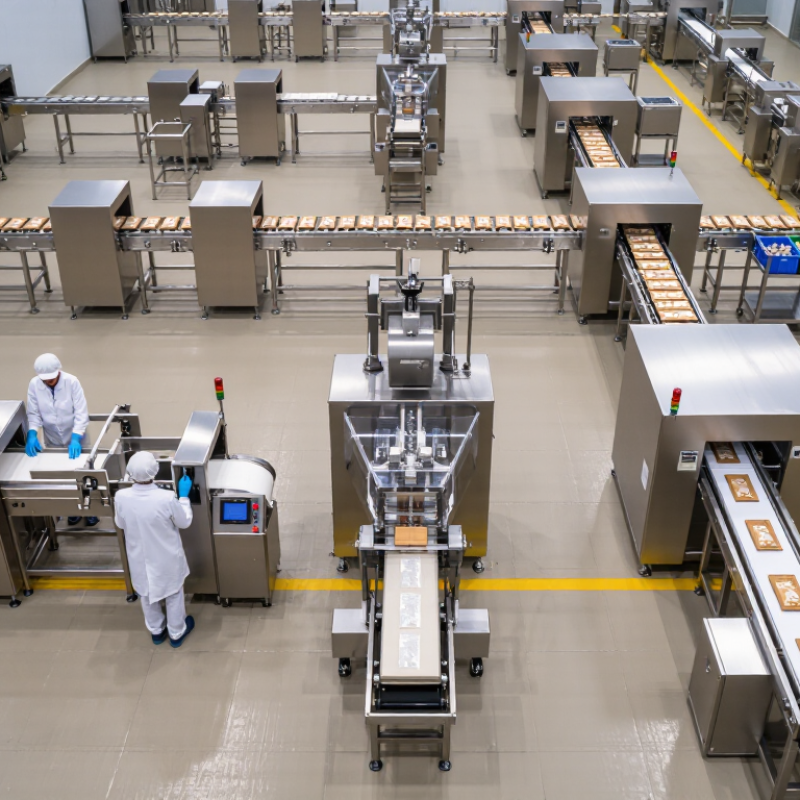
Define Your Packaging Requirements and Production Goals
Define the product before comparing machines. Record its dimensions, weight, temperature, moisture, and fragility. Note whether it arrives as a liquid, powder, solid, or mixed product. Specify the package material, seal type, target pack size, and acceptable defect rate. The FAO’s 2019 State of Food and Agriculture estimated that 14% of food is lost between harvest and retail. Packaging cannot prevent every loss, but a suitable seal and careful handling can protect product quality during processing and distribution. Your line’s actual goal matters more than a machine’s headline speed.
Set a realistic hourly target, then include cleaning, changeovers, staffing, and planned downtime. Ask manufacturers to demonstrate your product and packaging—not just a similar sample. Check the usable speed, seal consistency, waste rate, and changeover time during the test. A spreadsheet will not reveal every awkward adjustment. Leave room for uncertainty; early production estimates are often too optimistic.
Tips: Bring real product and packaging samples to the factory test. Share expected product changes and peak-season volumes. Ask for written assumptions behind quoted output rates. Then compare those figures with your current line’s measured performance.
Assess Machine Compatibility, Capacity, and Customization Options
A suitable food packaging machine should match the product, package, and production line—not just a catalog speed. Check whether it handles your food’s texture, temperature, and portion size, then confirm package dimensions, film type, sealing method, and cleaning requirements. A sticky sauce and a dry snack behave differently at the filling head. Small detail. Ask the manufacturer to test your actual product and packaging before purchase.
Capacity needs careful checking. PMMI’s 2023 State of the Industry report put U.S. packaging machinery shipments at about $10.9 billion in 2022, reflecting substantial investment across the sector. That figure does not tell you which machine fits your plant. Compare the quoted rate with your expected output after changeovers, cleaning, and routine stops. Ask for line-speed assumptions in writing. Rated speed can look impressive; sustained output matters more.
Customization should solve a defined production problem, such as quick-change parts for several pouch sizes or controls that connect with existing equipment. Request a list of included options, lead times, and spare-part needs. Verify that operators can adjust settings without specialist tools. I would also ask for a factory acceptance test using your product; it can reveal issues early, though it may not reproduce every real shift condition. Ask how performance and support are documented.
Verify Manufacturing Quality, Safety Standards, and Certifications
Choosing a food packaging machine manufacturer starts with evidence, not polished brochures. WHO’s 2015 global estimates attribute 600 million illnesses and 420,000 deaths each year to unsafe food. This figure covers the whole food chain, but it shows why hygienic machine design matters. Ask how product-contact surfaces are specified, cleaned, and inspected. Request material declarations, weld records, surface-finish details, and a documented risk assessment.
Check the manufacturer’s quality and safety credentials carefully. ISO 9001 addresses quality management, while ISO 22000 concerns food safety management; neither alone proves a machine is hygienic or safe. Verify each certificate’s issuer, expiry date, site, and scope. A certificate for one location may not cover the factory building your equipment. Ask for machine-specific electrical and safety test records, guarding details, and emergency-stop checks. Requirements vary by destination market, so confirm applicable standards for your installation. A certificate can still hide weak daily controls—look beyond the paperwork.
Tips: Visit the production floor, if possible. Inspect a food-contact surface, review a cleaning procedure, and ask operators how defects are recorded. Small details matter. WHO’s estimates are reported in its 2015 global burden study, Estimates of the global burden of foodborne diseases.
Compare Total Costs, Delivery Times, and After-Sales Support
How to Choose a Food Packaging Machine Manufacturer?
A low purchase price can hide costs that appear after delivery. Compare each quote against the same machine capacity, product format, and operating hours. Include installation, operator training, change parts, routine maintenance, and recommended spare parts. Ask what shipping, commissioning, and future software updates will cost. That number matters. A spreadsheet can make estimates look more certain than they are, so check which items remain provisional.
Delivery time is more than the date a machine leaves the factory. Request a schedule showing design approval, production, factory testing, shipment, installation, and site acceptance. Ask what could delay each milestone, such as late sample materials or an unready production area. Get any promised dates in writing. A fast estimate is not a reliable schedule. I would question my own shortlist if it compared delivery dates but ignored commissioning time.
After-sales support can shape daily uptime. Ask how quickly technicians respond, whether remote troubleshooting is available, and where common spare parts are stocked. Check warranty coverage, exclusions, and service rates after the warranty ends. Request a sample maintenance plan and confirm who trains new operators. Specific answers are useful. Vague promises are not. A careful comparison may take longer, and some details will still be uncertain; record those gaps before making a decision.
Check Manufacturer Experience, References, and Contract Terms
A manufacturer's years in business tell only part of the story. Check whether its team has built machines for products and packaging formats similar to yours. Ask who will handle installation, training, and service after delivery. A machine running well during a showroom test may behave differently on a busy production floor. Small details matter.
Request references from customers with comparable production volumes. Ask how often the equipment stops, how quickly support responds, and whether spare parts arrive on time. Listen for specific examples, not just praise. Then review the contract line by line. Confirm the machine’s configuration, acceptance tests, delivery schedule, warranty coverage, and service response times. Clarify what happens if the equipment misses agreed performance targets. A vague promise can become a frustrating discussion later. I would not assume a polished proposal covers every practical detail.
Tips: Ask for a sample acceptance checklist. Get every verbal commitment in writing. Check payment milestones against clear delivery and testing steps. If a clause feels unclear, pause and ask for a plain-language explanation. Don’t rush.