How to Choose the Best Metal Connector for Industrial Automation?
In the realm of industrial automation, selecting the right metal connector is critical. According to a recent report by MarketsandMarkets, the global industrial connectors market is projected to reach $4.8 billion by 2025, highlighting the increasing demand for robust metal connectors in various applications. Metal connectors for industrial automation are essential for ensuring reliable communication and power transmission among machinery, sensors, and devices.
However, choosing the best connector is often complex. Factors such as material composition, environmental conditions, and application requirements all play a significant role. Research from the International Electrotechnical Commission indicates that improper connector selection can lead to increased downtime and maintenance costs, negatively impacting productivity.
Some may underestimate the importance of these components. Yet, the failure of a metal connector can halt operations. Understanding the nuances of metal connector specifications is vital for any industrial automation initiative. Selecting the right metal connector for industrial automation requires thoughtful consideration of various factors to ensure quality and performance.
Understanding the Role of Metal Connectors in Industrial Automation
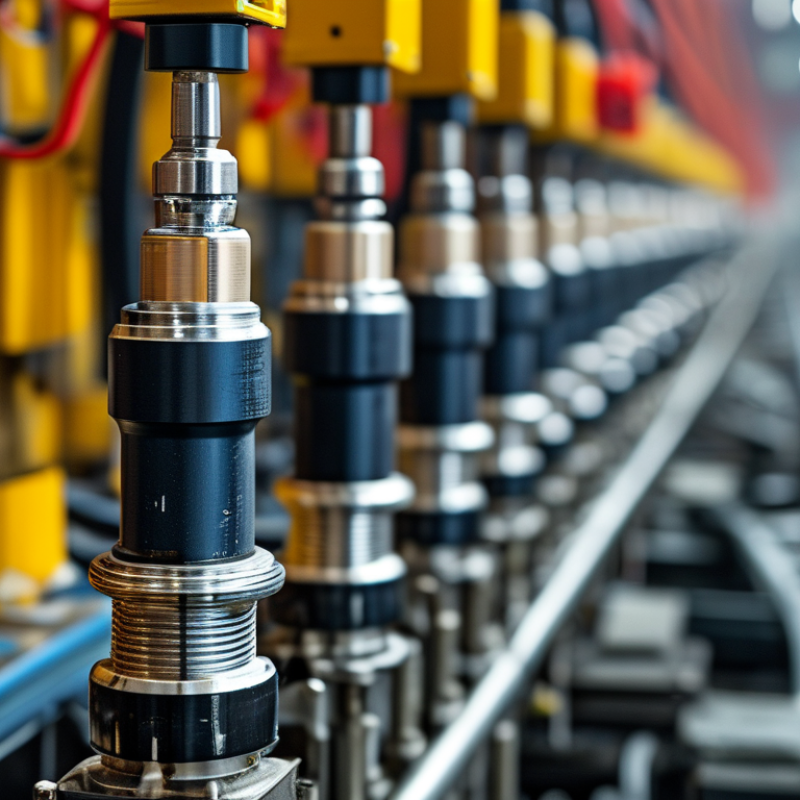
Metal connectors play a vital role in industrial automation systems. They ensure reliable communication and power connections between various components. According to a market analysis by Grand View Research, the global industrial connectors market is projected to reach $13.02 billion by 2027. This growth highlights the increasing reliance on these components in diverse industries.
The selection of metal connectors must be approached carefully. Factors like material composition, environmental resilience, and electrical performance are crucial. Connectors must withstand harsh conditions such as extreme temperatures, moisture, and dust. In fact, it is estimated that 30% of industrial automation failures arise from poor connector choices. Ensuring the right specifications can mitigate these risks significantly.
Moreover, the ongoing trend toward digitalization emphasizes the importance of high-performance connectors. As industries adopt more automation technologies, connectors must provide secure and fast data transfer. Some specialists argue that inadequate connector selection can lead to inefficiencies. Emphasizing quality over cost in connector selection might be a long-term investment for organizations. This point may require deeper consideration as operational efficiency remains a top priority for manufacturers.
Types of Metal Connectors Suitable for Industrial Automation Applications
When selecting metal connectors for industrial automation, several types cater to different needs. Circular connectors, for example, offer robust performance and are often used in harsh environments. These connectors ensure a secure fit and can withstand vibration and moisture.
Another common type is rectangular connectors. They provide a larger contact area, which is beneficial for power applications. Their design allows for easy installation, making them popular in various industrial setups. However, they can be more cumbersome if space is limited.
Tips: Consider the environment where the connectors will be used. Harsh conditions demand stronger materials, such as stainless steel. Always check the IP rating for protection against dust and water.
Additionally, modular connectors offer flexibility in your automation system. These can be customized based on specific needs, making them versatile. However, careful planning is essential to avoid compatibility issues later.
In conclusion, understanding the types of metal connectors is crucial for effective industrial automation. Evaluate their features against your specific applications to ensure reliability and performance.
How to Choose the Best Metal Connector for Industrial Automation?
| Connector Type | Material | Temperature Range (°C) | IP Rating | Application |
| Circular Connectors | Aluminum | -40 to +85 | IP67 | Robotics |
| Rectangular Connectors | Stainless Steel | -20 to +100 | IP65 | Control Panels |
| Heavy-Duty Connectors | Zinc Die-Cast | -40 to +120 | IP54 | Machinery |
| Fieldbus Connectors | Thermoplastic | -25 to +80 | IP68 | Network Communications |
Factors to Consider When Selecting Metal Connectors
When selecting metal connectors for industrial automation, several factors come into play. The operating environment is crucial. Connectors must withstand temperature extremes, moisture, and dust. Corrosion resistance is also essential for preventing failures over time. Choose materials that suit your specific conditions, like stainless steel for high humidity areas.
The electrical requirements can’t be overlooked. Assess the voltage and current ratings needed for your application. Poorly rated connectors can lead to overheating. Check for mechanical strength as well. Connectors should be able to endure vibrations and shocks typical in industrial settings. Think about installation ease as well. Some connectors require tools, while others are user-friendly, allowing quicker installations.
Compatibility with existing systems is vital. Ensure the connectors can easily integrate without costly modifications. Review the connector's design features, like locking mechanisms for secure connections. It’s worth consulting industry guidelines for recommended practices. This can help identify reliable options. Reflect on past experiences too. Learning from previous projects can guide future selections. Understanding these factors underscores the importance of thoughtful decisions in automation.
Comparing Performance Metrics of Different Metal Connectors
When selecting metal connectors for industrial automation, comparing performance metrics is essential. Each connector type can exhibit notable variations in specifications. According to a report by the International Electrotechnical Commission, connectors can differ in factors like current rating, temperature range, and resistance to environmental factors. These metrics can determine a connector's suitability for specific applications.
Current ratings are crucial for determining which connector can handle the required load. Connectors rated for higher currents often feature thicker contacts. Materials like copper and aluminum are commonly used. However, their conductivity can vary under different conditions. This inconsistency can affect performance and reliability. It's essential to consider the installation environment. Humidity and temperature spikes can impact connectors. Some metals corrode, leading to failures.
Temperature range is another vital metric. Connectors that operate in extreme heat or cold may fail if not properly matched. Many industrial settings can cause rapid temperature fluctuations. A mismatch in components can lead to unpredicted downtime. According to industry data, equipment failures can cost businesses up to 10% in annual revenue. Understanding these metrics allows for improved selection. A carefully chosen connector can enhance system reliability and efficiency. Evaluate options thoroughly to avoid costly mistakes.
Best Practices for Installing and Maintaining Metal Connectors
When installing metal connectors in industrial automation, consider the environment. High humidity and extreme temperatures can affect their performance. Choose connectors that have appropriate ratings for your specific conditions. Regular checks are vital. Inspect for wear and corrosion, which can compromise connections over time. Ensure you have the right tools ready for proper installation and maintenance.
Proper alignment during installation is crucial. Misalignment can lead to damage and premature failure. Secure connectors tightly, but avoid over-tightening, which can create strain. Using thread sealant can prevent moisture ingress, enhancing longevity. Documentation of installation procedures can help in future maintenance checks. Remember, neglecting small details can lead to larger issues down the line.
Regular training for staff is essential. A well-informed team can spot potential problems early. Encourage feedback about the installation process. It’s a chance to identify weaknesses and areas for improvement. With careful attention and continuous learning, the reliability of metal connectors in automation systems can be significantly improved.
Comparison of Metal Connector Types for Industrial Automation