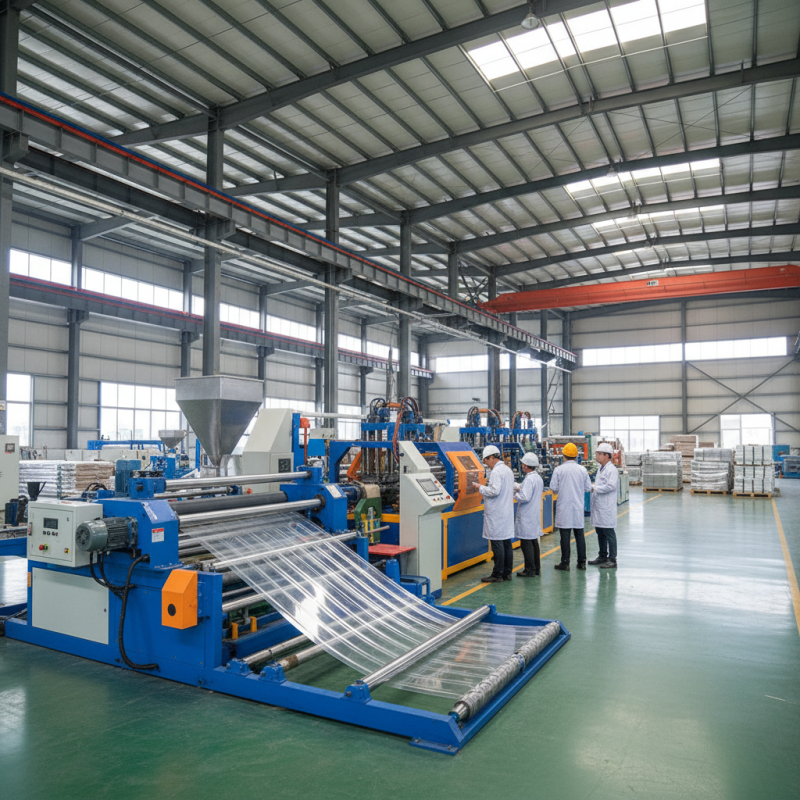
How to Choose the Best Skylight Sheet Making Machine?
Choosing the best Skylight Sheet Making Machine involves several critical considerations. It's essential to understand the machine's features and capabilities. Quality machines offer durability and efficiency, which are vital for production. Look for reputable manufacturers with a track record of reliability.
Every project has unique requirements, influencing machine choice. Analyze your specific needs, such as sheet thickness and size. Evaluate the technology used in the machine. Advanced features can significantly impact the production process.
Consider the support and training provided by the manufacturer. A knowledgeable team can guide you through setup and operation. Ultimately, investing in a high-quality Skylight Sheet Making Machine pays off in the long run. It contributes to efficiency and overall satisfaction in your production line. Remember, choose wisely and don’t hesitate to seek expert advice.
Factors to Consider When Selecting a Skylight Sheet Machine
When selecting a skylight sheet making machine, several factors come into play. First, consider the machine’s production capacity. Many manufacturers report that machines can produce up to 10,000 square meters of skylight sheets daily. However, actual output often varies based on the complexity of the design and the quality of raw materials used. Understanding your specific production needs is crucial.
Additionally, the type of material your machine can handle affects its versatility. Machines that work with polycarbonate and PVC are preferred due to their durability and insulation properties. According to industry data, machines designed for specific materials can enhance production efficiency by as much as 25%. It's essential to ensure that your chosen machine aligns with your material requirements for optimal results.
Another critical aspect is the technology used in the machine. Advances in automation can streamline the manufacturing process. Some operators have experienced a 30% reduction in labor costs by implementing automated systems. Ensuring that the machine features updated technology can also reduce waste, improving your bottom line. However, high-tech machines may have longer learning curves, requiring thorough training for operators, which could create initial challenges. Ultimately, careful consideration and tailored research will yield the best selection for your skylight sheet production needs.
Understanding Different Types of Skylight Sheet Materials and Their Uses
Choosing the right skylight sheet material is crucial for durability and performance. Common options include polycarbonate, acrylic, and fiberglass. Polycarbonate sheets are known for their high impact resistance and insulation properties. They are ideal in regions with extreme weather. Acrylic sheets, on the other hand, offer excellent clarity and UV protection, making them suitable for aesthetic applications.
Fiberglass is another option, valued for its strength and weather resistance. It’s commonly used in commercial buildings and greenhouses. However, the choice of material also depends on the application. For instance, if you require light diffusion, a frosted acrylic may be the best fit.
While polycarbonate might be the top choice for many, it can be prone to yellowing over time. Each material has its pros and cons, and analyzing them is essential for making an informed decision. Finding the best fit can involve trial and error, but understanding these materials is the first step. Different projects may demand different properties, so be flexible in your selection process.
How to Choose the Best Skylight Sheet Making Machine?
| Material Type | Durability | UV Resistance | Weight | Cost (per sq ft) | Common Uses |
| Polycarbonate | High | Good | Lightweight | $2.50 | Skylights, Greenhouses |
| Acrylic | Moderate | Very Good | Lightweight | $3.00 | Windows, Signs |
| Fiberglass | Very High | Good | Moderate | $4.00 | Industrial Applications |
| Glass | High | Excellent | Heavy | $5.00 | Skylights, Windows |
Key Specifications for High-Performance Skylight Sheet Machines
When selecting a skylight sheet making machine, understanding key specifications is crucial. The machine's capacity is a primary consideration. Look for units that offer flexibility in production volume. A smaller setup may suffice for startups. However, larger operations benefit from machines that accommodate high output.
Material compatibility is equally important. A versatile machine should process various raw materials effectively. Consider factors like thickness and durability. These qualities directly influence the final product’s performance. Machines with adjustable settings are often preferred. They allow manufacturers to experiment with different materials and designs.
Efficiency is another pertinent specification. Machines should minimize downtime during operation and maintenance. Easy-to-access components can streamline repair processes. That could save time and resources in the long run. On occasion, user feedback can reveal potential issues in real-world applications. Investing time in research helps showcase reliable options that meet industry demands. Finding balance in these specifications can lead to informed and successful purchasing decisions.
Evaluating Production Capacity and Efficiency of Skylight Sheet Equipment
When evaluating the production capacity and efficiency of skylight sheet equipment, several factors come into play. A crucial aspect to consider is the machine's output rate. This rate determines how quickly you can produce sheets, impacting your overall productivity. Look for machines that offer a balance between speed and quality. Efficiency is not just about the speed of production but also about minimizing waste. A machine that conserves raw materials can significantly lower costs over time.
Tip: Assess current production needs. Knowing the desired output helps select the right equipment.
Another important factor is the machine's versatility. Can it handle different materials or thicknesses? A flexible machine can adapt to various projects without the need for constant adjustments. Additionally, maintenance requirements should not be overlooked. Machines that require frequent repairs can lead to production delays and increased costs. Look for equipment with user-friendly interfaces and low maintenance needs.
Tip: Investigate user reviews for insights on machine reliability.
Lastly, consider energy efficiency. Machines that consume less power help reduce operational costs in the long run. It’s also wise to consult with industry experts or seek recommendations to ensure informed decisions. Reflect on the overall benefits versus the initial investment. Balancing these factors will lead to more sustainable and profitable production in the long term.
Skylight Sheet Making Machine Production Capacity
Industry Trends in Skylight Sheet Manufacturing Technology
The skylight sheet manufacturing industry is evolving rapidly. Recent reports show a 15% growth in demand for versatile skylight solutions. This trend is driven by the need for energy-efficient buildings. Manufacturers are now focusing on advanced materials that improve solar gain and reduce energy consumption. Innovations like polycarbonate sheets are gaining traction. They offer better insulation and are lightweight, making them a popular choice.
The technology behind skylight sheet production is changing. Automation is becoming a key factor, helping manufacturers increase efficiency. According to industry forecasts, automated processes can enhance production rates by up to 30%. This is critical, as the market demands faster delivery times. However, not all companies adapt effectively. Some struggle with integrating new technologies into their existing processes.
Tip: Always assess your current technology before upgrading. Make sure your team has the skills to manage new systems effectively. Streamlining your operations can be more beneficial than simply adopting the latest trends without strategic planning.
As networks of supply and demand shift, it’s vital to stay informed about material innovations. Understanding the properties of different materials can make a significant difference. Regular training and updates for your production team can help retain competitive advantages. Balancing tradition with modernity might not be easy, but it's essential in this dynamic market.