How to Choose the Right Metering Valve for Your Needs?
Choosing the right metering valve is essential for any fluid control application. As John Smith, a leading expert in fluid dynamics, once said, “Selecting the right valve can make all the difference in efficiency and performance.” This highlights the critical role that metering valves play in industries ranging from manufacturing to water treatment.
Metering valves regulate fluid flow with precision. They ensure that processes operate smoothly and effectively. However, the choices can be overwhelming. Each type of metering valve offers different advantages and features. Understanding these differences is crucial for making an informed decision. Expert recommendations often emphasize the importance of matching the valve specifications to your specific application needs.
In practice, the selection process can be challenging. It requires careful consideration of factors like flow rate, pressure, and fluid type. Many users find themselves facing dilemmas. They might overlook subtle details that significantly impact performance. Being mindful of these aspects will lead to better outcomes and long-lasting solutions. A well-chosen metering valve not only optimizes functionality but also reduces maintenance issues in the long run.
Understanding the Different Types of Metering Valves in the Industry
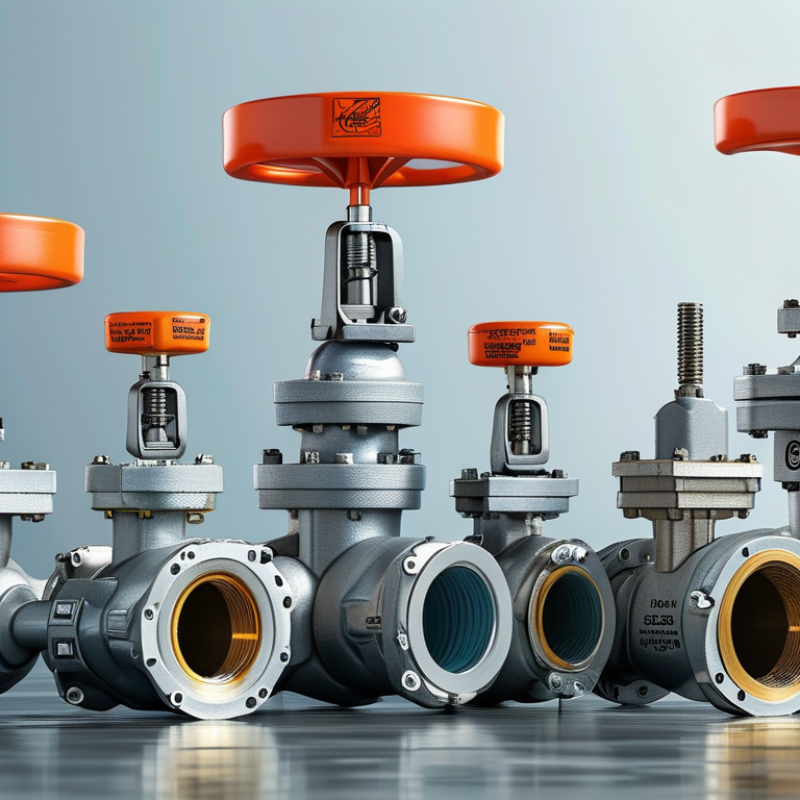
Choosing the right metering valve requires understanding the types available in the industry. Metering valves come in various designs, each serving distinct functions. Common types include needle valves, plug valves, and orifice valves. Needle valves, known for their precision, are ideal for applications requiring fine adjustments. Their sharp point allows for accurate flow control, making them suitable for laboratory use.
Plug valves offer a quick on-off flow mechanism. They are generally easier to operate but may lack the precision of needle valves. In contrast, orifice valves control flow rates by using a fixed opening. This simplicity makes them reliable but less adaptable to changing conditions. Each type has its strengths and weaknesses, reflecting their specific applications.
Choosing the best metering valve often involves trade-offs. Consider the specific requirements of your project. Sometimes, a valve may not function as expected, leading to over or under flow. Understanding these nuances is crucial for effective selection. Always evaluate the materials used, the environment, and ease of maintenance. Among the myriad options, finding the right fit can be challenging, but thorough research and testing can lead to informed decisions.
Key Factors Influencing the Selection of Metering Valves for Applications
Choosing the right metering valve requires understanding key factors that influence your decision. Flow rate is one critical aspect to consider. Each application has unique demands, and the right valve must accommodate those specifics. Pay close attention to the materials used in the valve construction. Compatibility with the fluid being handled is essential to prevent corrosion and wear.
Another vital factor is the pressure rating of the metering valve. Operate within the specified limits for optimal performance. Additionally, consider the valve's response time. In dynamic applications, a valve that adjusts quickly is valuable. Ease of maintenance cannot be overlooked either. Regular inspections and servicing can greatly extend the lifecycle of your equipment.
Finally, assess the installation environment. High temperatures and harsh conditions may affect uninterrupted function. Seek out products that can withstand such challenges. Each of these factors must be weighed carefully. Emphasizing a meticulous approach ensures better results and avoids costly mistakes.
Evaluating Fluid Characteristics for Optimal Metering Valve Performance
Choosing the right metering valve revolves heavily around understanding fluid characteristics. Different fluids exhibit unique properties that impact valve performance. For instance, viscosity plays a crucial role. A 2021 study by the American Society of Mechanical Engineers found that viscosity can affect flow rate by up to 90% in various applications. A fluid with high viscosity requires a different type of metering valve compared to low-viscosity fluids.
Another important characteristic is the fluid's temperature. Temperature fluctuations can change viscosity and flow rates. According to the Fluid Control Institute, operating conditions must be evaluated, as changes can result in performance inconsistencies. Valves that work well at room temperature may not perform similarly at elevated temperatures. This reflects the necessity to consider thermal properties in valve selection.
Lastly, fluid compatibility matters. Certain materials may corrode or react with fluids. The selection of valve materials can be detrimental to system integrity. A report from the International Journal of Engineering Research indicates that improper material choices can lead to 30% more frequent valve failures. Understanding these elements ensures that the metering valve not only meets operational needs but also maintains efficiency over time.
How to Choose the Right Metering Valve for Your Needs? - Evaluating Fluid Characteristics for Optimal Metering Valve Performance
| Fluid Type |
Viscosity (cP) |
Temperature (°C) |
Pressure (psi) |
Recommended Valve Type |
| Water |
1 |
25 |
50 |
Ball Valve |
| Oil |
100 |
50 |
75 |
Diaphragm Valve |
| Corrosive Chemical |
150 |
70 |
60 |
PTFE Valve |
| Slurry |
800 |
35 |
80 |
Piston Valve |
| Gaseous Mixture |
- |
20 |
50 |
Needle Valve |
Importance of Pressure Ratings and Flow Coefficients in Valve Selection
Choosing the right metering valve involves assessing pressure ratings and flow coefficients.
Pressure ratings indicate the maximum pressure the valve can handle. For example, many industrial valves have ratings from 150 PSI to 600 PSI. Selecting a valve with an inadequate pressure rating can lead to failure, resulting in costly downtime and safety hazards. It’s vital to reference industry standards like ASTM and API that provide clear guidelines.
Flow coefficients (Cv) are equally important. Cv quantifies how easily fluid flows through the valve. A higher Cv indicates a valve allows more flow. For instance, valves with a Cv of 10 can handle 10 gallons per minute at a one psi pressure drop. Many organizations recommend matching the Cv to the specific needs of your system. This ensures efficient operation. Underestimating this aspect can result in reduced system performance.
While selecting a metering valve, reflect on your specific needs. Analyze both pressure ratings and flow coefficients carefully. Neglecting these factors can lead to inefficient processes. Proper research is essential to avoid pitfalls. Consider engaging with experienced professionals or reviewing industry data reports for insights. This approach minimizes risks and enhances reliability in your system operations.
Maintenance Considerations for Longevity and Efficiency of Metering Valves
When maintaining metering valves, it is crucial to prioritize longevity and efficiency. Regular inspection of the valve can reveal signs of wear or buildup that may hinder performance. Look for leaks or decreased flow rates. Simple visual checks can make a significant difference in overall function.
Another important aspect is cleaning. Accumulation of debris can obstruct the valve, leading to inefficiency. Depending on your system, a soft brush or a damp cloth can be effective. It's essential to avoid harsh chemicals that may damage valve components. In some cases, replacing seals or gaskets can extend the valve's lifespan considerably.
Understanding the environment where valves operate is vital for maintenance. High-pressure areas may require more frequent checks. Humid environments can lead to corrosion. Keeping a log of maintenance activities helps to identify patterns over time. This can guide future maintenance efforts, ensuring reliable service.