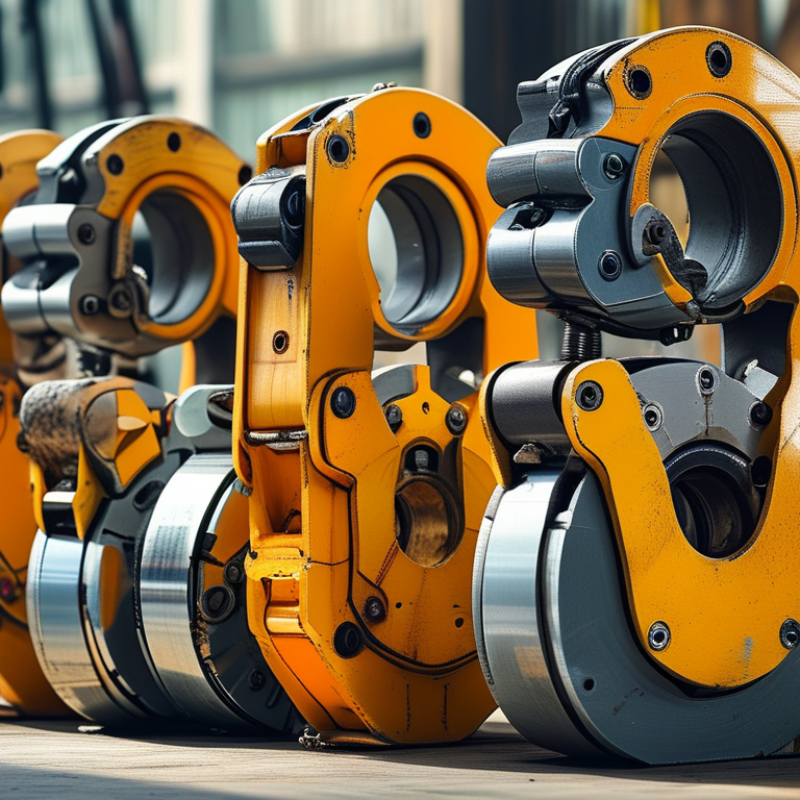
How to Choose the Best Lifting Clutch for Your Needs?
Choosing the right Lifting Clutch is essential for any lifting task. An ideal clutch ensures safety and efficiency. A poorly chosen clutch can lead to accidents or equipment failure.
When selecting a Lifting Clutch, consider the load capacity. Different tasks require different strengths. You must also evaluate the type of lifting equipment you will use. Compatibility is crucial for optimum performance.
Another factor is durability. A reliable Lifting Clutch should withstand harsh conditions. Check for quality materials and construction. Remember, not all clutches are created equal. Experience matters. Research various options and user reviews to find the best fit for your needs.
Factors to Consider When Selecting a Lifting Clutch
When selecting a lifting clutch, several critical factors come into play. The load capacity is paramount. This defines how much weight the clutch can handle safely. Understand the type of loads you'll be working with. Are they consistent or variable? This aspect impacts your choice greatly.
Another important factor is the operational conditions. Clutches operate differently in harsh environments. High temperatures or corrosive materials can lead to quicker wear. It's essential to evaluate whether the clutch will be exposed to these elements. Pay attention to the material construction, as it affects durability and reliability.
Finally, user interface matters. How easy is it to operate the clutch? A complicated mechanism can lead to mistakes under pressure. Simplicity helps operators react quickly in demanding situations. Test various options for comfort and effectiveness before making a decision. Each choice has its trade-offs, so thorough research is necessary.
Types of Lifting Clutches and Their Applications
Lifting clutches are essential in various industries, designed to handle heavy loads effectively. Understanding the types of lifting clutches available can significantly impact efficiency and safety. There are several types to consider, including friction clutches, magnetic clutches, and hydraulic clutches. Each type serves distinct applications.
Friction clutches are versatile and most commonly used in hoisting equipment. They engage smoothly, providing a reliable grip on loads. Magnetic clutches are ideal for precision tasks, allowing for quick engagement and disengagement without wear. Hydraulic clutches are best for high-torque applications, particularly in construction and heavy machinery.
When selecting a lifting clutch, evaluate the specific load requirements and operating conditions. Tips for making the best choice include assessing the load weight, speed, and frequency of use. Make sure to consider the environment—temperature, dust, and moisture can affect performance.
Keep in mind that not every clutch will suit your needs perfectly. Reflect on your unique situation. Analyze previous lifting tasks to identify any challenges faced. Are there issues with slippage or overheating? Gathering feedback can guide you toward a more reliable option. Choosing the right lifting clutch is a balance of application and performance, demanding careful thought and consideration.
Understanding Load Capacity and Safety Ratings
When selecting a lifting clutch, understanding load capacity and safety ratings is critical. Load capacity refers to the maximum weight a lifting device can safely handle. According to industry reports, a significant percentage of accidents occur due to underestimating this capacity. It's essential to consider the weight of the load, plus any additional factors like dynamic forces during lifting. Always consult a load capacity chart for guidance.
Safety ratings are equally important. They reflect the manufacturing standards and testing of lifting equipment. The American National Standards Institute (ANSI) provides guidelines that many manufacturers follow. A well-rated lifting clutch can prevent unsafe conditions. However, it is worth noting that even high-rated products require regular inspections. A failure to do so can lead to unexpected failures. Keeping clutches in top condition is crucial for operational safety and efficiency.
Not all lifting situations are straightforward. Environmental factors, such as temperature and humidity, can affect performance. Moreover, user training plays a vital role in safe operations. Workers must understand how to utilize these tools correctly, as misuse can lead to accidents. Always seek professional training to mitigate such risks.
Materials and Durability in Lifting Clutch Design
When selecting a lifting clutch, materials and durability are crucial. Different applications demand different torque and tensile strength. According to industry statistics, up to 40% of lifting clutches fail due to material fatigue. This underlines the importance of choosing high-quality materials.
Steel, aluminum, and composite materials are common choices. Steel offers robust strength and longevity but can add weight. Aluminum, on the other hand, is lighter and resistant to rust but may not handle high loads as effectively. Composite materials provide a balance, being both lightweight and durable. Regular maintenance can enhance the lifespan of any lifting device.
Tips: Always consider the working environment. High temperatures or corrosive substances can degrade materials faster. Testing and simulation data should guide your choices. Review manufacturer specifications carefully; reliability hinges on informed decisions.
Durability of Lifting Clutches by Material Type
Maintenance Tips for Optimal Lifting Clutch Performance
Maintaining an optimal lifting clutch is key to ensuring safety and efficiency in your operations. Regular inspections are crucial. Check for wear and tear, especially on the friction surfaces. Dust and grime can accumulate and affect performance. Even small particles can disrupt its functionality. Keeping the clutch clean is essential.
Lubrication is another important aspect. Use the appropriate lubricant recommended for your lifting clutch. This helps reduce friction and prolongs its life. Be careful not to over-lubricate; too much can be as harmful as too little. Remember to pay attention to the operating environment. Excessive humidity or extreme temperatures may require more frequent maintenance checks.
Listening to how the clutch operates is important. Unusual noises can indicate issues. Don’t ignore them. They could be signs of deeper problems that need addressing. Even when everything seems fine, periodic maintenance will help you catch potential issues early. It’s about being proactive rather than reactive.