
How to Choose the Right Canned Motor Pump?

Choosing a Canned Motor Pump is not a matter of matching a pipe size to a catalogue photograph. The right choice depends on the liquid, operating range, site conditions, and consequences of leakage. A canned motor design integrates the motor and pump, eliminating the conventional shaft seal. That can reduce an important leak path, but it does not make every application automatically suitable. The pumped fluid must also support the design’s internal lubrication and cooling needs.

The U.S. Department of Energy’s Improving Pumping System Performance sourcebook reports that pumping systems can consume 25–50% of the energy used in some industrial facilities. That figure is a reminder to check efficiency across the operating range, not just at one advertised duty point. A pump running far from its best-efficiency point can waste energy and increase wear. Small details matter: fluid temperature, viscosity, solids, suction pressure, and available maintenance access.

Machinery-reliability authority Heinz P. Bloch’s work emphasizes reliability and operating conditions. A practical paraphrase—not a verbatim quotation—is: “Select for the real duty, not the catalogue headline.” That advice is easy to agree with, and easy to neglect when schedules are tight. This guide outlines how to compare process requirements, materials, performance curves, and lifecycle costs before choosing a Canned Motor Pump. The final decision should be checked against manufacturer data and the actual installation; even a careful selection can miss something.
How to Choose the Right Canned Motor Pump?

Define the Operating Requirements for the Canned Motor Pump

Define the Operating Requirements for the Canned Motor Pump

Start with the process conditions, not the pump size. Record the required flow rate and discharge pressure at normal operation. Then note the minimum and maximum values the system may demand. A pump chosen for one steady duty point may struggle during startup or changing tank levels. Small details matter.

Describe the liquid clearly. Include its temperature, viscosity, vapor pressure, density, and any suspended particles. These properties affect pump performance and material selection. Canned motor pumps use the pumped liquid to cool the motor and lubricate internal bearings, so confirm that the fluid can serve these functions. Check the required inlet pressure and available NPSH as well. If your measurements are estimates, say so; an uncertain assumption can lead to a poor selection.

Tips: Gather real operating data where possible. Note short periods of low flow, frequent starts, and temperature changes. Confirm the electrical supply and installation environment with a qualified pump engineer. A neat spreadsheet helps, but it cannot replace checking the actual process conditions.

Assess the Fluid Properties and Process Conditions

How to Choose the Right Canned Motor Pump?
Assess the Fluid Properties and Process Conditions

Start with the actual fluid, not just its name. Record its density, viscosity, temperature range, vapor pressure, and chemical characteristics. A warm, thin liquid behaves differently from a cold, viscous one, even when both are described as clean process fluids. Small details matter. Check whether the fluid contains suspended solids, fibers, or crystals. These can affect internal clearances and cooling flow, so ask the pump supplier for limits rather than guessing. Also consider how properties change during startup, shutdown, or cleaning.

Then map the operating conditions across the full process cycle. Compare required flow and head at normal operation, minimum demand, and any expected peak. Confirm the pump will have adequate suction pressure and that the fluid will not flash or cavitate at the inlet. That can change. A canned motor pump uses the pumped liquid to cool and lubricate internal components, so minimum flow and fluid temperature deserve particular attention. Check whether the process can briefly run dry or trap gas; even short events may cause damage. A specification sheet can look complete while missing a temporary operating condition. Review measured data with an experienced pump engineer, and flag assumptions that have not been verified.

How to Choose the Right Canned Motor Pump?

Assess the Fluid Properties and Process Conditions

Approximate viscosity and density values for selected pure liquids at 20°C. Higher viscosity can increase flow resistance and affect pump performance; density influences the required head and power. Check the actual fluid at operating temperature, along with vapor pressure, solids content, chemical compatibility, flow, and available NPSH before selecting a pump.

Compare Pump Design, Materials, and Performance

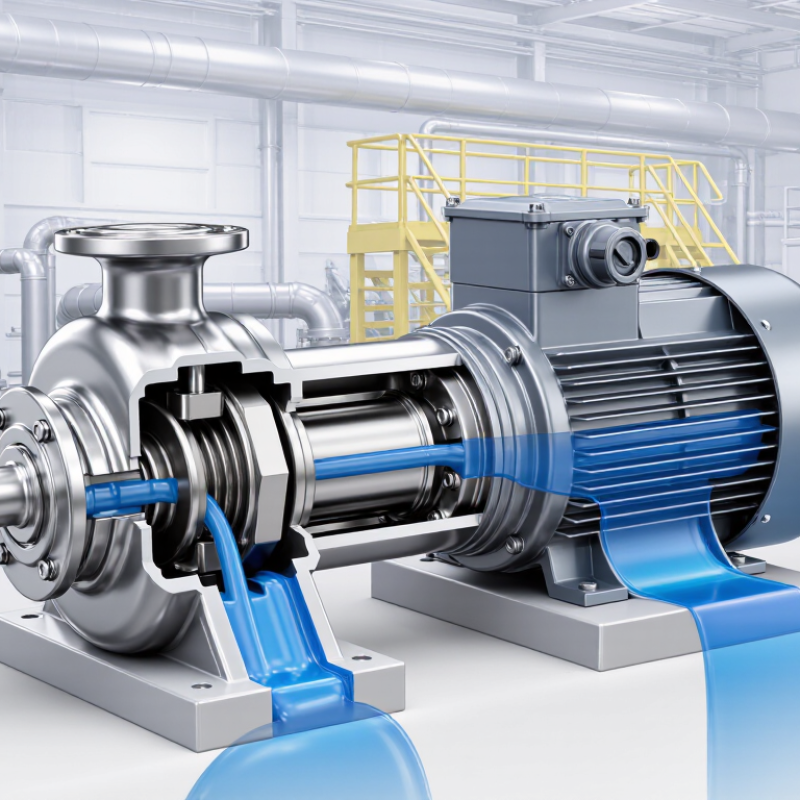
A canned motor pump places the motor rotor and pump impeller on a shared shaft, with a containment shell separating the rotor from the stator. This removes the conventional shaft seal, which can reduce a common leak path. The process fluid often cools the motor and lubricates internal bearings, but exact circulation arrangements vary. Check the design drawing, not just the product description.

Compare wetted materials against the actual fluid, temperature, and operating conditions. A casing may resist corrosion while a bearing material wears quickly in a fluid with abrasive particles. Small details matter. Review compatibility for the impeller, shell, bearings, and gaskets, and ask how the pump handles occasional solids or deposits. A material listed as compatible at room temperature may behave differently in hot service.

Performance should match the real duty point, not only the highest flow or head shown on a curve. Check required flow, discharge pressure, suction conditions, fluid viscosity, and temperature. Also confirm the motor’s cooling limits and minimum flow requirements. Not always. I treat efficiency figures cautiously unless they reflect the intended operating range. A compact, quiet pump can still be a poor choice if it runs far from its best-efficiency point or needs frequent cleaning. Compare maintenance access and spare-part intervals alongside energy use; the trade-off is easy to miss.

Check Safety, Reliability, and Applicable Standards

Safety begins with the liquid, not the pump catalogue. Confirm its temperature, pressure, viscosity, toxicity, and tendency to crystallize. Check that wetted materials suit the fluid, including seals, bearings, and gaskets. A canned motor pump has no conventional shaft seal, but containment still depends on sound materials and correct operation. Ask how the motor is cooled and lubricated, and what happens during dry running or loss of flow. Small details matter. A blocked cooling passage can become a serious problem.

Reliability depends on matching the pump to the real operating range, not just the quoted duty point. Compare minimum and maximum flow, startup conditions, and expected changes in system pressure. Request evidence for testing, inspection, and maintenance intervals. Then verify applicable standards against the fluid, site, and project requirements. API 685 may apply to some sealless centrifugal pump services; hazardous-area electrical requirements may also be relevant. Confirm the required editions and certifications with the project engineer or local authority. Paper compliance alone is not enough. A specification can look complete and still miss an unusual operating condition. That deserves a second review.

Evaluate Installation, Maintenance, and Lifecycle Costs

How to Choose the Right Canned Motor Pump?

Installation and maintenance requirements can shape a canned motor pump’s true cost more than its purchase price. Check the available footprint, pipe loads, operating temperature, and fluid properties before selecting a model. Confirm how the motor is cooled and whether the pump needs a clean flush or other operating safeguards. These details affect commissioning and reliability. They are easy to miss.

The U.S. Department of Energy’s Improving Pumping System Performance sourcebook estimates that pumping systems consume nearly 20% of global electricity demand.

This is a system-wide estimate, not a prediction of savings from one pump. Still, it makes efficiency and proper sizing worth careful review.

For lifecycle comparisons, include energy, planned maintenance, spare parts, and the cost of production interruptions. The Hydraulic Institute, Europump, and U.S. Department of Energy’s Pump Life Cycle Costs guide recommends assessing costs across the pump’s service life, rather than judging by purchase price alone. A canned motor design removes the conventional shaft seal, reducing one potential leak path. However, internal bearing and motor repairs may require specialist work, so check local service capability and expected repair times. Ask for performance data at your actual duty point, not just the best-efficiency point. A little uncertainty remains: operating conditions change, and estimates can be wrong. Build in realistic operating hours and energy prices, then compare assumptions openly.

keep me informed

Subscribe

By clicking SEND means that you agree to our Terms & Conditions, Privacy and Cookie Policies.