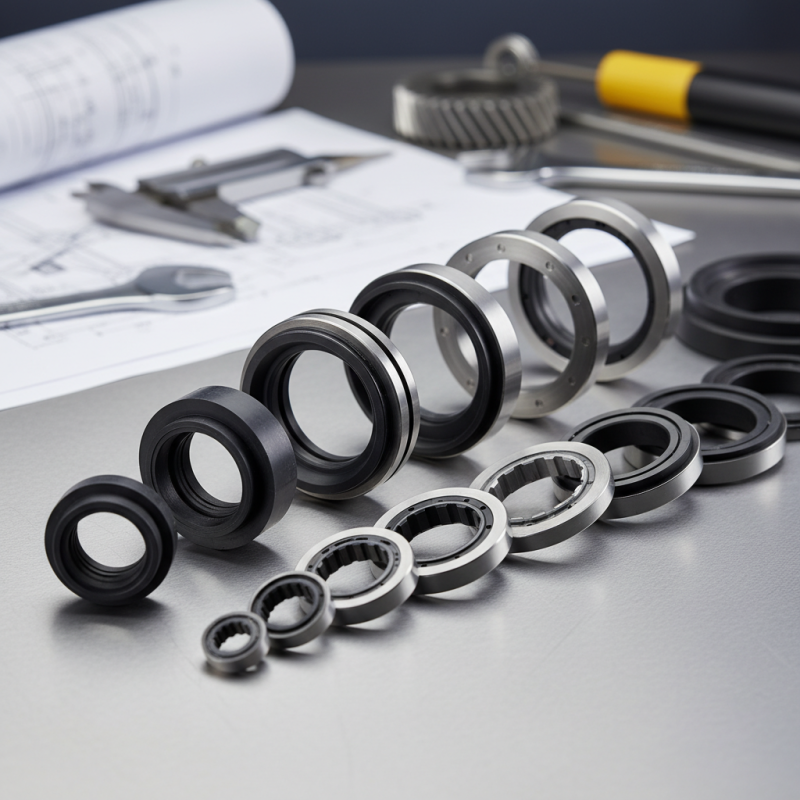
How to Choose the Right Rotary Seal for Your Application?
Choosing the right Rotary Seal is a critical step for many applications. A rotary seal often prevents leaks in machinery that involves rotating parts. The right seal ensures efficiency and longevity, minimizing unexpected downtime.
Factors such as material, size, and application type influence your choice. Each application presents unique challenges. Selecting an incorrect rotary seal may lead to failures, impacting performance and increasing costs.
Understanding the environment and demands of your machinery is essential. Take time to assess operating conditions. Reflect on your specific needs to make an informed decision. A suitable rotary seal not only enhances performance but also ensures safety in the long term.
Understanding Rotary Seals: Types and Their Applications
Rotary seals are vital components in various industries, providing essential protection against leakage and contamination. These seals are designed to accommodate rotating shafts and ensure that lubricants or fluids remain contained within machinery. Understanding the different types of rotary seals is crucial for selecting the right one for specific applications.
There are several types of rotary seals, each tailored to unique operating conditions. Lip seals, for instance, are widely used in automotive applications due to their efficiency in preventing oil leaks. On the other hand, mechanical seals are common in pumps, designed to withstand high pressures and temperature fluctuations. It's important to consider factors like material compatibility and environmental conditions when choosing a seal.
Many engineers often overlook the impact of installation on seal performance. A poorly installed seal can lead to premature failure. Additionally, not considering the application's specific needs can result in suboptimal performance. Engineers must analyze their systems carefully to ensure adequate seal selection. This process can be complex yet rewarding when it leads to enhanced performance and longevity of the machinery.
Key Factors to Consider When Selecting a Rotary Seal
Choosing the right rotary seal for your application requires careful consideration of several key factors. Start by evaluating the operating temperature range of your application. Different seals perform optimally at specific temperatures. If the temperature exceeds a seal's limits, it may fail prematurely.
Next, review the pressure requirements. Ensure that the seal can withstand both static and dynamic pressures without leakage. Seal materials play a crucial role here. Consider materials that resist wear and chemical degradation. Some environments may require seals that handle corrosive substances.
Another aspect is the speed of operation. High-speed applications can generate heat, impacting seal performance. Look for seals designed to minimize friction. Moreover, it might be beneficial to consult with experts in the field. They can provide insights on the best practices. Reflecting on your specific needs will guide better decisions for reliable performance.
How to Choose the Right Rotary Seal for Your Application? - Key Factors to Consider When Selecting a Rotary Seal
| Factor | Description | Considerations |
| Material | The type of material used for the seal, influencing durability and compatibility. | Assess environmental exposure and chemical compatibility. |
| Temperature Range | The operational temperature limits of the rotary seal. | Ensure seals can withstand maximum and minimum temperature conditions. |
| Pressure Rating | The pressure limits that the seal can endure without failure. | Match seal rating with application pressure conditions. |
| Speed | The rotational speed of the shaft that the seal will encounter. | Evaluate dynamic versus static applications. |
| Design Type | Different styles and configurations of rotary seals available. | Consider shaft size and sealing requirements. |
| Lubrication | The need for lubrication to maintain seal performance. | Decide between oil or grease and its compatibility with materials. |
Material Compatibility: Ensuring Optimal Performance and Longevity
Choosing the right rotary seal requires understanding material compatibility for optimal performance. Different applications demand varied materials. Factors like temperature, pressure, and fluid type greatly influence this choice. For instance, seals in a hydraulic system need materials resistant to both pressure and hydraulic fluids. This ensures durability and reliable operation over time.
The compatibility of seal materials affects longevity. For example, using rubber seals in high-temperature applications can lead to rapid degradation. Fluorocarbon and silicone elastomers may perform better in such scenarios. It’s essential to assess environmental conditions before selecting a material.
Though many rely on standard selections, assessing specific requirements can improve outcomes. Sometimes, custom solutions may be necessary. Regularly reviewing the performance of chosen materials can uncover potential pitfalls. This critical analysis is vital in enhancing system reliability and preventing costly downtimes.
Installation Best Practices for Rotary Seals
When installing rotary seals, attention to detail is crucial. Ensure the sealing surface is clean and free from debris. A damaged or dirty surface can lead to leaks. Use a soft cloth to wipe the area before installation. It's essential to inspect the seal for any imperfections. Even a small flaw can affect performance.
Proper lubrication is key during installation. Apply a suitable lubricant to the seal’s outer surface. This helps prevent tearing and ensures smooth seating. Take care not to over-lubricate, as this can attract dirt. Make sure the seal is aligned correctly. Misalignment often leads to premature wear.
Installation tools also matter. Using the right tools can simplify the process. Avoid using makeshift tools that can damage the seal. After installation, conduct a thorough inspection. Look for any signs of misalignment or stress. Revisiting these steps can improve reliability and lifespan.
Common Issues and Troubleshooting for Rotary Seals
Rotary seals play a critical role in various industrial applications. Issues such as material wear and seal misalignment can lead to significant operational failures. According to a recent industry report, nearly 30% of seal failures stem from insufficient lubrication. Proper lubrication ensures the seal operates smoothly, reducing friction.
Another common issue is the presence of abrasive particles in the system. This can wear down the sealing surfaces prematurely. A study indicates that systems with high particulate contamination can reduce seal life by up to 50%. Regular monitoring and maintenance are crucial. Checking for contaminants can help avoid costly outages.
Thermal distortion is another factor to consider. Expanding and contracting materials can lead to increased stress on seals. This is particularly relevant in high-temperature environments. Understanding temperature ranges and their effects on the seal material is vital. Identifying these thermal impacts ensures you can select the right material for your application. Each factor requires careful consideration to maintain operational efficiency and reliability.