What is a Commercial Refrigerator and How Does It Work?
In the competitive world of food service, the role of a Commercial Refrigerator is crucial. The global commercial refrigeration market was valued at approximately $28 billion in 2020 and is expected to grow significantly. These units are essential for preserving food quality and complying with health regulations. Accurate temperature control is vital. Poorly designed systems can lead to food spoilage, waste, and financial losses.
Commercial Refrigerators come in various designs, serving different needs. They include walk-in coolers, reach-in units, and display cases. Each type has its unique functions. Many restaurants and supermarkets rely on these appliances for safe food storage. Industry reports highlight that 70% of energy use in commercial kitchens comes from refrigeration. This suggests an urgent need for energy-efficient models.
However, not all systems are equally reliable. Some units may experience mechanical failures, leading to costly disruptions. Proper maintenance is often overlooked. Regular checks can prevent unexpected breakdowns. The importance of a well-functioning Commercial Refrigerator cannot be underestimated in today's food business landscape. Understanding its operation helps improve efficiency and protect valuable inventory.
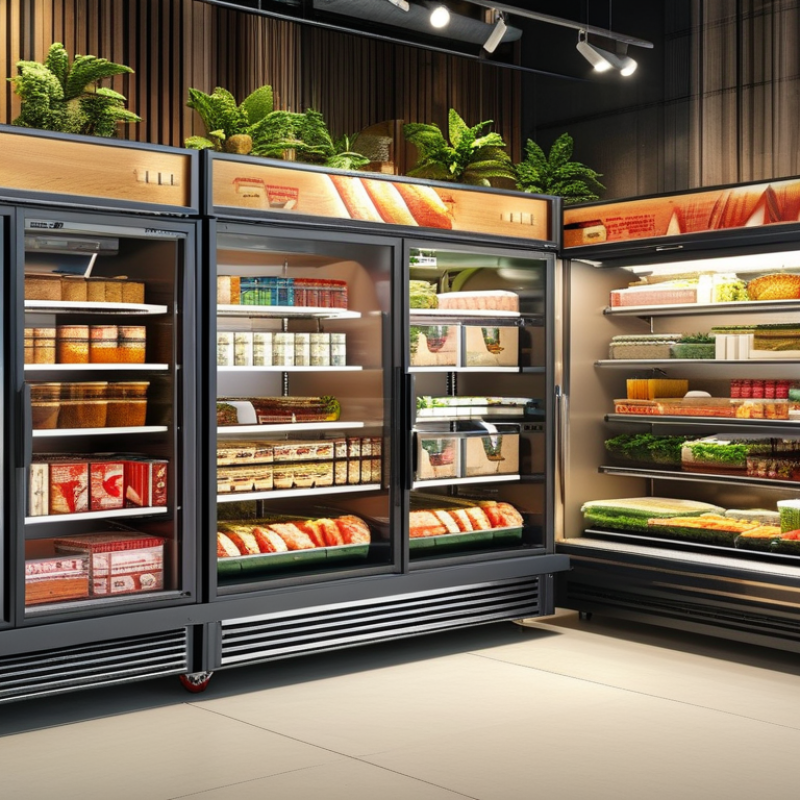
Definition of a Commercial Refrigerator and Its Purpose
A commercial refrigerator is designed for large-scale food storage and safety. It plays a crucial role in the foodservice industry, ensuring that perishable goods remain fresh. According to the U.S. Department of Agriculture, 30% of food produced in the U.S. is wasted. Proper refrigeration can significantly reduce this waste by maintaining optimal temperatures for food preservation.
These units vary in size and style, catering to different business needs. For example, a standard upright model may be suitable for smaller restaurants, while supermarkets often require larger, walk-in units. The National Restaurant Association reports that nearly 80% of food operators consider refrigeration a critical investment. Without adequate cooling, spoilage could quickly lead to financial losses and health risks.
It is essential to monitor temperatures regularly. Failure to do so can lead to foodborne illnesses. Moreover, some businesses may overlook maintenance, risking equipment failure. Studies show that 15% of commercial refrigerators experience breakdowns due to neglect. Understanding the importance of reliable refrigeration not only safeguards food quality but also fosters customer trust.
Key Components of Commercial Refrigerators and Their Functions
Commercial refrigerators are essential in many food service operations. They are designed to store a variety of perishable items safely. Understanding their key components is vital for optimal performance.
One of the main components is the compressor. It circulates refrigerant throughout the system. According to industry reports, around 60% of energy costs in commercial refrigeration come from the compressor. This makes regular maintenance crucial. Additionally, the evaporator coils absorb heat and are located inside the refrigerator. They play a significant role in lowering temperatures. Dirty coils can reduce efficiency up to 30%.
The condenser is another critical element. It releases heat outside the unit, helping to maintain the desired internal temperature. Poor airflow around the condenser can lead to system failures. A recent study noted that almost 25% of commercial refrigerators fail due to inadequate ventilation. Regular checks are important. Lastly, the thermostat controls the temperature and ensures the system runs efficiently. Proper calibration of the thermostat can prevent food spoilage and save energy costs. Understanding these components can enhance the operation and longevity of commercial refrigerators.
Commercial Refrigerator Energy Consumption by Type
Mechanisms of Cooling in Commercial Refrigerators
Commercial refrigerators are essential for preserving food and ingredients. Their cooling mechanisms are intricate yet efficient. Understanding how they work is crucial for anyone in the foodservice industry.
The primary cooling process utilizes a refrigerant. This fluid absorbs heat when it evaporates. The compressor then turns the vapor back into a liquid, releasing the absorbed heat outside. This cycle happens continuously, maintaining low temperatures inside the fridge. The evaporator coils play a significant role, often placed in the fridge’s interior. As warm air circulates, it cools down quickly upon contact with these coils.
Fans also facilitate air circulation, ensuring consistent temperatures throughout the unit. This is vital for food safety. However, not all units maintain the same temperature effectively. Some may face issues with air distribution, leading to hot spots. Regular maintenance can address these problems. Understanding these mechanisms allows operators to optimize performance and ensure reliability.
Types of Commercial Refrigerators and Their Applications
Commercial refrigerators are essential in various industries. They keep perishable goods at safe temperatures. Different types of commercial refrigerators serve specific purposes. Understanding these types is vital for efficiency and safety.
There are three main types of commercial refrigerators: reach-in, walk-in, and display models. Reach-in refrigerators are commonly found in restaurants and convenience stores. They offer easy access and are compact. A study from the Foodservice Equipment Reports highlights that over 45% of commercial kitchens use reach-in units for their reliability and convenience.
Walk-in refrigerators are larger and often used in grocery stores and warehouses. They are designed for bulk storage. Retailers value walk-ins because they can hold significant inventory. According to a report by the National Restaurant Association, these systems can cut energy costs by up to 30% due to improved insulation and design.
Display refrigerators are crucial in retail settings. They attract customers with their visibility. Unfortunately, poor maintenance can lead to energy inefficiency and increased operational costs, highlighting the need for regular service checks.
Maintenance Tips for Commercial Refrigerators to Ensure Efficiency
Maintaining a commercial refrigerator is crucial for efficiency and longevity. Regular cleaning is one of the simplest tasks. Dust and dirt can obstruct airflow. This affects cooling performance. Clean the condenser coils every few months. Use a soft brush and a vacuum cleaner. It's surprising how much grime accumulates.
Temperature checks are vital. Ensure your thermostat is functioning correctly. If temperatures fluctuate, food safety becomes a concern. Regularly monitor food temperature with a reliable thermometer. This is an easy way to avoid spoilage. It’s also important to check door seals. Gaps allow cold air to escape. Replace any worn seals promptly. These small details add to your efficiency.
Refrigerator doors should never be left open for long. This may seem minor, but it leads to energy loss. Teach staff to handle doors properly. Establish a routine for inspections. Sometimes, issues go unnoticed until it's too late. Regular maintenance can reveal problems before they escalate. Don’t overlook the importance of a well-kept refrigerating system. Staying proactive is key to success.
Commercial Refrigerator Overview and Maintenance Tips
| Dimension | Details |
| Type | Reach-In, Walk-In, Display |
| Temperature Range | -10°F to 40°F |
| Cooling Method | Vapor Compression Cycle |
| Common Refrigerants | R134a, R404A |
| Maintenance Frequency | Monthly and Quarterly |
| Key Maintenance Tips | Clean Condenser Coils, Check Door Seals, Regularly Defrost |
| Average Lifespan | 10-15 years |