Why You Should Consider a DC Ev Charger for Fast Electric Vehicle Charging?
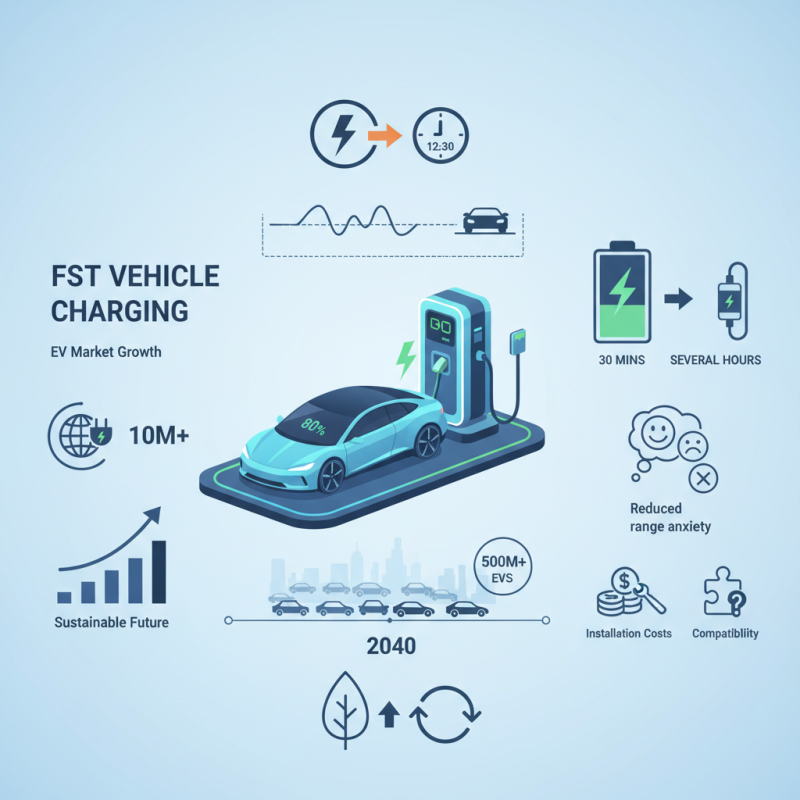
As the electric vehicle (EV) market continues to grow rapidly, the demand for efficient charging solutions is becoming critical. According to a report by the International Energy Agency, the global EV stock reached 10 million units in 2020, marking a significant increase from previous years. With this growth, the need for fast charging options is more pronounced than ever. A DC Ev Charger can recharge an electric vehicle's battery to 80% in just 30 minutes, compared to several hours with traditional AC chargers.
This speed not only enhances convenience but also mitigates range anxiety among users. Research indicates that over 70% of EV owners prioritize fast charging capabilities when choosing a charging solution. Additionally, a report from BloombergNEF forecasts that by 2040, over 500 million electric vehicles will be on the roads, emphasizing the necessity for widespread DC charging infrastructure.
However, while the benefits of DC Ev Chargers are clear, challenges remain. Installation costs and compatibility issues can pose concerns for potential users and service providers. Evaluating these aspects is essential for making informed decisions regarding charging investments. Ultimately, embracing the advancements of DC Ev Chargers is a step toward a more sustainable future in EV transportation.
Understanding the Basics of DC EV Charging Technology
DC EV charging technology is transforming the landscape of electric vehicle (EV) charging. Unlike traditional AC chargers, DC chargers deliver power directly to the vehicle’s battery. This method significantly reduces the time needed to recharge. You can get up to 80% charge in about 30 minutes! Many charging stations now utilize this technology, making it more accessible for drivers.
Understanding DC charging involves looking at power output. DC chargers can provide anywhere from 50 kW to over 350 kW of power. Such high power levels mean faster charging sessions. However, the effectiveness also depends on the vehicle’s capabilities. Not every EV can handle high-speed charging. This creates a gap in performance expectations.
It's essential to consider the infrastructure around DC charging. Not all locations have adequate chargers. This can lead to long waits or detours for users. Reliability varies by region, which means planning is crucial. Charging technologies continue to evolve, but challenges remain. Addressing them will enhance the overall user experience in the future.
Advantages of DC Charging Over AC Charging for Electric Vehicles
DC charging has significant advantages over AC charging for electric vehicles. One key benefit is that DC chargers can deliver power directly to the vehicle's battery. This eliminates the need for onboard conversion, allowing for faster charging. According to a report from the International Energy Agency (IEA), DC fast chargers can provide up to 80% charge in just 30 minutes. In contrast, AC chargers typically take several hours for a similar charge level.
Moreover, the efficiency of DC charging systems is noteworthy. The energy loss in AC charging can be substantial due to conversion losses. A study conducted by the Electric Power Research Institute (EPRI) indicates that DC fast charging can achieve efficiencies of over 90%. This means that more energy from the grid translates directly into battery power, reducing costs over time.
However, the deployment of DC chargers requires significant infrastructure investment. Many locations still lack these advanced systems. This can lead to limited access for electric vehicle owners. As the industry evolves, it’s crucial to address these gaps to ensure equitable availability of charging options. Balancing speed, efficiency, and infrastructure development is essential for the future of electric mobility.
Key Features to Look for in a DC EV Charger
When considering a DC EV charger, several key features make a significant difference. The charging speed is paramount. A high output can drastically reduce charging time. Look for chargers with outputs between 50 kW to 350 kW. This range ensures fast charging access for various electric vehicles. More power means less waiting.
Another important aspect is compatibility. Check if the charger works with multiple car brands. Flexibility is essential for public charging stations. Ensure that connectors are available for different models. This versatility benefits all EV users. It might also be worth considering software features. Smart chargers can provide real-time updates on charging status. They can help track energy usage, optimizing efficiency.
Safety features should never be overlooked. Overcurrent, overvoltage, and thermal protection keep the system secure. Think about installation options as well. Some chargers require professional setup. Other models can be installed more easily. Reflect on your space and power requirements. Making an informed choice can save time and money in the long run.
Installation Considerations for DC EV Chargers at Home or Business
When considering the installation of a DC EV charger, several critical factors come into play. First, the electrical capacity of the location must be assessed. A standard household outlet may not provide sufficient power for a DC charger. At commercial facilities, demand charges can escalate, impacting costs if not carefully planned. Data indicates that 80% of EV charging occurs at home. Thus, having a robust electrical infrastructure is essential for residential installations.
Choosing the right location for a DC charger is also vital. It should be easily accessible and in a well-ventilated area. Ideally, the charger should be close to where vehicles are parked. This eases logistics and enhances user experience. Additionally, understanding local zoning laws is essential. Some regions require permits, while others may have restrictions.
Lastly, the overall cost of installation varies significantly. Studies show that initial setup costs can range from $5,000 to $50,000, depending on site conditions. Planning for ongoing maintenance is also necessary. Failure to account for this can lead to unexpected expenses. Evaluating long-term benefits against these factors will help in making an informed decision.
Why You Should Consider a DC EV Charger for Fast Electric Vehicle Charging
This chart compares the average charging time of DC EV Chargers versus AC EV Chargers in home and business settings. As shown, DC chargers significantly reduce charging time, making them a superior option for both residential and commercial use.
Future Trends in DC Charging Infrastructure and Electric Vehicles
The shift towards electric vehicles (EVs) is accelerating. Research from the International Energy Agency shows that the global EV stock reached 10 million in 2020. As demand rises, the need for efficient charging infrastructure becomes crucial. DC fast chargers are integral to this evolution, providing significant advantages for EV users.
A recent report by McKinsey suggests that over 70% of all EV charging will need to come from DC fast charging by 2030. This shift will require robust investment in charging stations. Future trends indicate that urban areas will see a surge in charging points. However, there is a challenge. With the current infrastructure, many cities struggle to support this rapid growth.
The integration of renewable energy sources into DC charging stations is another area of exploration. The potential to create sustainable charging networks could influence consumer choices. Analysis shows that about 60% of EV users are concerned about charging accessibility. As industry standards evolve, stakeholders must ensure reliable solutions. Collaborative efforts between governments and the private sector are essential for a better charging landscape.
Why You Should Consider a DC Ev Charger for Fast Electric Vehicle Charging? - Future Trends in DC Charging Infrastructure and Electric Vehicles
| Feature | DC Charger Type | Charging Speed (kW) | Availability | Future Trends |
| Standard DC Fast Charger | Level 3 | 50-150 | Widely Available | Increased deployment across urban areas |
| Ultra-Fast Charger | Level 3+ | 150-350 | Emerging Markets | Integration with renewable energy sources |
| Mobile DC Charger | Portable | 20-90 | Limited Availability | Growth in demand for flexible charging solutions |
| V2G Charger | Vehicle-to-Grid | Up to 100 | Pilot Programs | Regulatory support for energy sharing |
| Integrated Charging Stations | Multi-Use | 150-350 | Growing Infrastructure | Smart city integration and IoT |