10 Essential Tips for Choosing the Right Gas Valve for Your Needs
When it comes to ensuring safety and efficiency in your gas systems, selecting the right gas valve is paramount. A gas valve serves as a critical component in managing the flow of gas, whether it be for residential heating, industrial processes, or cooking applications. With various types of gas valves available on the market, choosing the appropriate one can be a daunting task. This article aims to illuminate the factors that play a crucial role in making an informed decision regarding gas valves.
Understanding the specific requirements of your gas system is essential. Different applications necessitate different types of gas valves, which can vary in functionality, size, and operating mechanism. From manual shut-off valves to electronically controlled options, knowing what each type offers can greatly influence your choice. Furthermore, considerations such as pressure ratings, material compatibility, and safety standards must also be taken into account to ensure not just performance, but also compliance with regulations. In this guide, we will explore ten essential tips that will help you navigate through the selection process effectively and confidently.
Understanding Different Types of Gas Valves and Their Applications
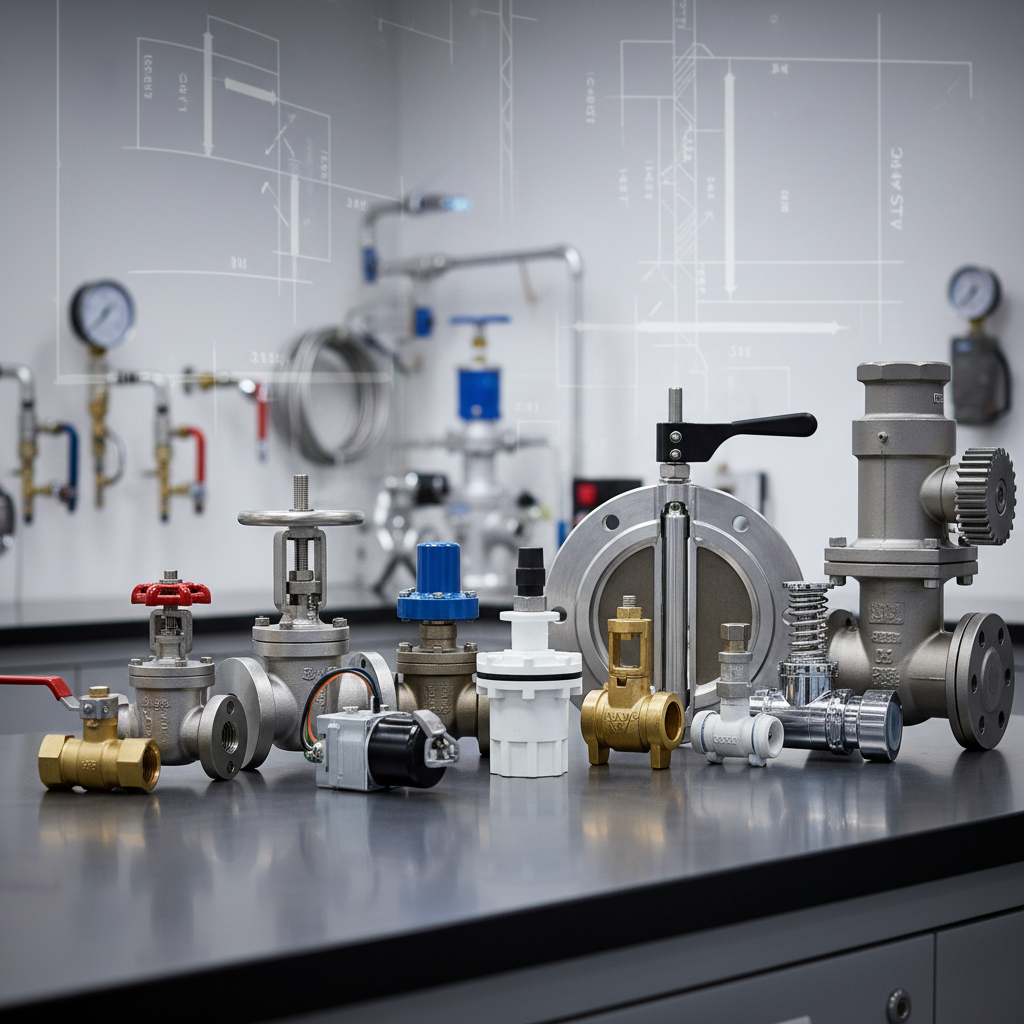
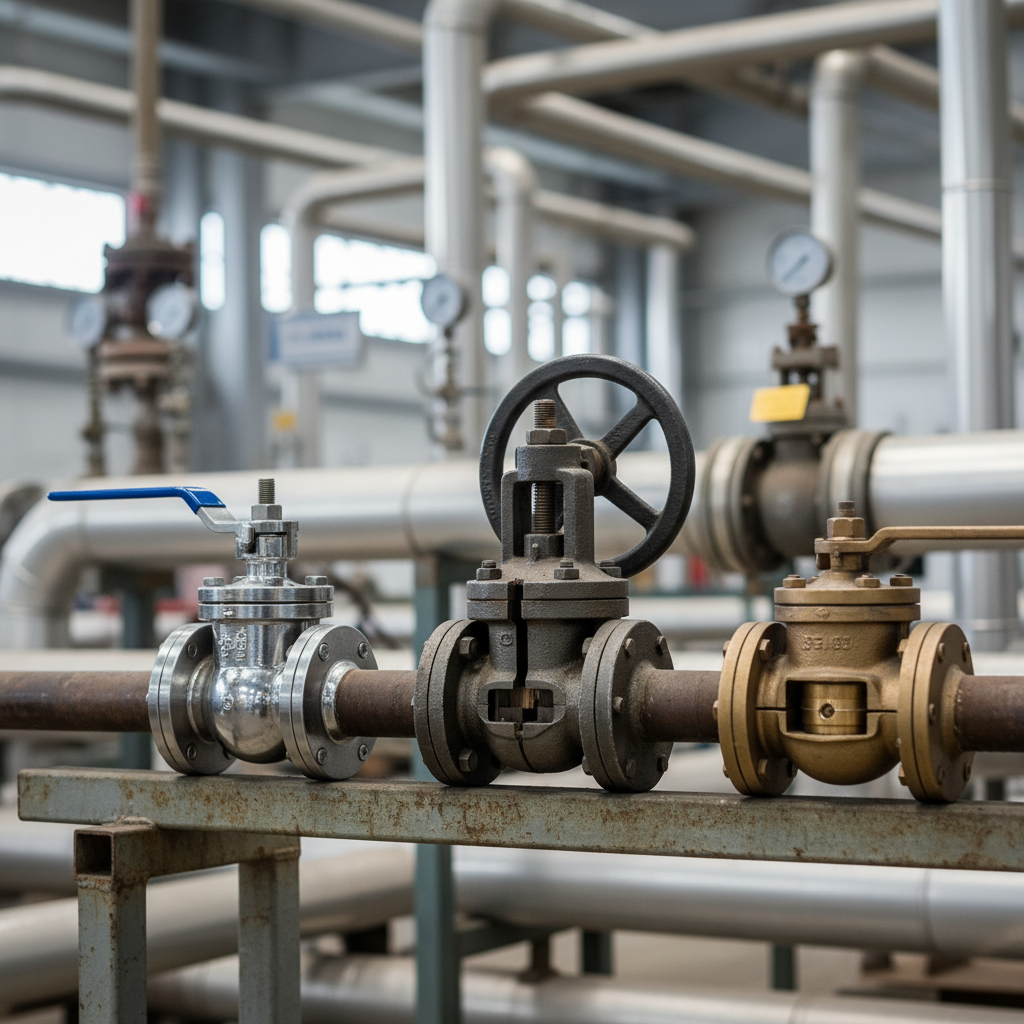
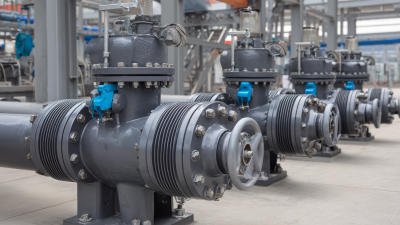
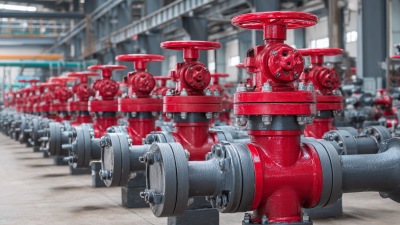
When selecting a gas valve for your application, it's crucial to understand the various types available and their specific uses. The most common types include ball valves, gate valves, and globe valves. Ball valves are known for their quick operation and tight sealing, making them ideal for applications requiring a rapid on/off function. In contrast, gate valves are typically used in systems where the valve needs to be fully open or closed, as they offer minimal pressure drop when fully opened but can be slower to operate.
Globe valves, on the other hand, are used for regulating flow, thanks to their ability to provide better control over the fluid's flow rate. Each type of valve has its unique characteristics, suited to different scenarios such as residential heating systems, industrial machinery, or gas distribution networks. Understanding these distinctions not only aids in selecting the right valve but also ensures safety and efficiency in gas systems.
Key Factors to Consider When Selecting a Gas Valve
When selecting a gas valve, several key factors should be considered to ensure optimal performance and safety. The type of gas being used is fundamentally critical; for instance, natural gas and propane have different combustion characteristics and pressure requirements.
According to the Gas Processors Association, approximately 75% of residential gas appliances are designed for natural gas, which necessitates that the selected valve efficiently regulates flow at the specific pressure levels. Ensuring compatibility with the gas type will prevent operational issues and potential hazards.
Another essential consideration is the valve's pressure rating and flow capacity. Selecting a valve with a pressure rating that matches or exceeds the system requirements is vital for maintaining safe operations. A recent industry report from the American Gas Association highlighted that improperly rated valves can lead to hazardous leaks or system failures, affecting not only the appliance but overall building safety.
Moreover, understanding the application—whether for commercial pipelines or residential appliances—will dictate the necessary specifications for the valve, aiding in making an informed choice that balances efficiency and safety in gas distribution.
Essential Safety Features to Look for in Gas Valves
When selecting a gas valve, safety should always be a top priority. According to a report by the National Fire Protection Association (NFPA), improper installation or maintenance of gas valves accounts for a significant percentage of gas-related accidents annually. Therefore, it's crucial to choose valves equipped with essential safety features. Look for automatic shut-off capabilities that can prevent gas leaks in emergencies. These features not only enhance safety but also comply with industry regulations, as outlined in the American National Standards Institute (ANSI) standards.
Another important aspect is leak detection technology, which can provide real-time monitoring of gas levels and alert users to any leaks immediately. According to the Gas Technology Institute, the implementation of advanced leak detection systems can reduce the risk of catastrophic failures by up to 50%. Additionally, opt for valves that are built with robust materials, such as brass or stainless steel, which are known for their durability and resistance to corrosion. This not only ensures a longer lifespan but also maintains safety under varying environmental conditions, making it a sound investment for both residential and commercial applications.
Gas Valve Selection Criteria
How to Match Gas Valve Specifications to Your System Requirements
When selecting the right gas valve, it's crucial to match the valve specifications to your system requirements effectively. Begin by considering the gas type you will be using—natural gas, propane, or other gases—since each may necessitate specific valve materials and design features. Understanding the pressure and temperature ratings of your system is equally important, as valves must be able to withstand these conditions to ensure safety and performance. Assessing flow rates can also aid in narrowing down your options; the valve's capacity must align with the demands of your application to avoid inefficiencies.
Another vital aspect is the control method of the valve. You need to decide whether a manual or automated control system best fits your needs. Automated systems often require compatibility with existing control technologies, like solenoids or actuators. Additionally, it’s essential to review the size and connection type of the valve to ensure a proper fit within your system. By meticulously evaluating these specifications, you can select a gas valve that not only meets current requirements but also anticipates future needs, contributing to overall system reliability and efficiency.
Maintenance Tips for Ensuring Longevity of Your Gas Valve
Regular maintenance is crucial for ensuring the longevity of your gas valve. One important aspect of upkeep is to regularly inspect the valve for any signs of wear or damage. Look for corrosion, leaks, or unusual noises when the valve is in use. Performing these checks periodically can help catch potential issues before they escalate into serious problems that might compromise safety or functionality.
In addition to visual inspections, routine cleaning of the gas valve is essential. Dust and debris can accumulate over time, which may hinder the valve's performance. Use a soft cloth or brush to clean the external parts, and consider using a lubricating agent designed for gas valves to ensure smooth operation. Furthermore, always ensure that your gas supply is turned off before performing any maintenance, as safety should be your top priority. Proper maintenance not only extends the life of your gas valve but also guarantees safety in its operation, providing peace of mind when using gas-powered appliances.