Essential Tips for Choosing the Right Isolation Valve?
Choosing the right isolation valve is crucial for many industries. These components serve as vital control elements in fluid systems. According to Dr. Emily Hayes, a leading expert in valve technology, "Selecting the appropriate isolation valve can significantly impact system efficiency and safety." This emphasizes the importance of making informed choices.
When considering an isolation valve, it’s essential to evaluate various factors. These include material compatibility, pressure ratings, and operational environment. An unsuitable valve can lead to leaks or system failures. Therefore, understanding the specifics of your application is critical.
Experts recommend consulting with manufacturers to ensure reliable options are considered. Valves must meet industry standards and performance expectations. Mistakes in this process can be costly. Often, users overlook the minor details that can lead to major issues later. Prioritizing quality and suitability can mitigate these risks and enhance overall system performance.
Types of Isolation Valves and Their Applications
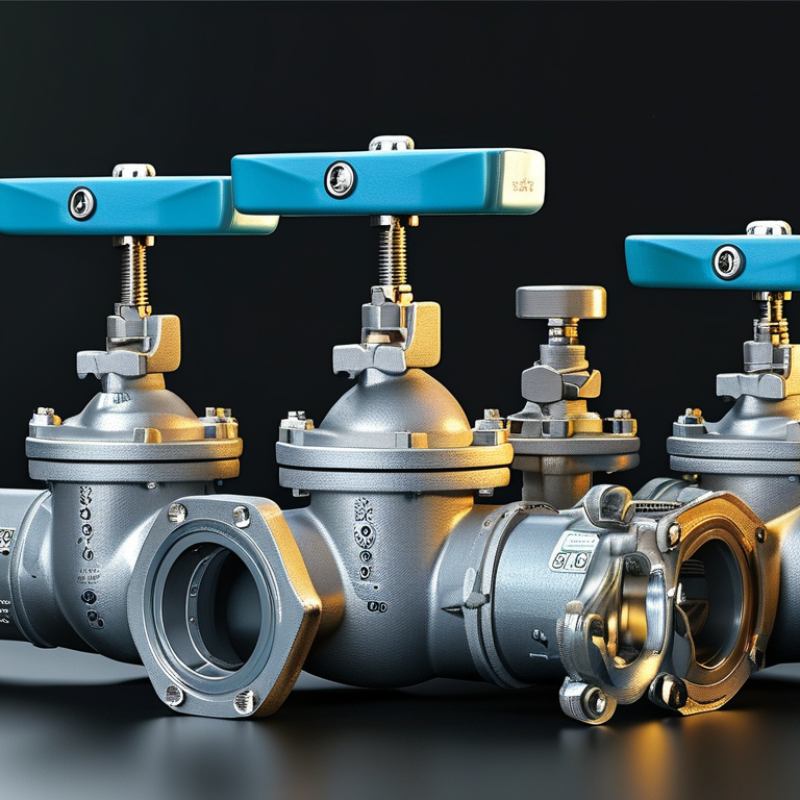
When selecting isolation valves, understanding their types is crucial. The most common types include gate, globe, ball, and butterfly valves. Each type serves specific purposes in fluid control. For instance, gate valves are ideal for on/off applications, offering minimal resistance. However, they can struggle with throttling. Ball valves provide excellent sealing and can handle high-pressure systems well. Yet, their design may not be suitable for all fluid types.
Globe valves, known for their throttling capabilities, are often used in regulating flow. They have a complex design that can increase maintenance needs. Butterfly valves excel in large-diameter applications, providing quick shut-off. However, they may not offer the same level of sealing as ball or globe valves. When making a choice, it's essential to assess your system's requirements, including pressure, flow rate, and fluid characteristics. Understanding these details can enhance reliability and performance.
Essential Tips for Choosing the Right Isolation Valve
| Type of Isolation Valve |
Applications |
Advantages |
Disadvantages |
| Gate Valve |
Water supply, oil, and gas pipelines |
Low-pressure drop, efficient flow |
Slow operation, not suitable for throttling |
| Ball Valve |
Chemical storage, water systems |
Quick operation, minimal flow resistance |
Can be expensive, sealing issues if not used correctly |
| Butterfly Valve |
HVAC systems, water distribution |
Lightweight, quick operation, cost-effective |
Limited shut-off capability, performance issues at higher pressures |
| Check Valve |
Prevent backflow in pipelines |
Automatic operation, protects equipment |
Can cause water hammer, limited to specific flow directions |
| Globe Valve |
Fine flow control in oil and gas |
Good throttling capability, versatile |
Higher pressure drop, slower operation |
Factors to Consider When Selecting an Isolation Valve
Choosing the right isolation valve requires careful consideration of several factors. One key aspect is the valve's material compatibility with the medium being transported. For instance, corrosive fluids need valves made of resistant materials, like stainless steel or special alloys. Industry reports indicate that improper material choice can lead to significant failures, costing companies up to 20% of operational budgets.
Another important factor is the valve's size and pressure rating. Mismatched sizing can impair flow rates and lead to inefficiencies. According to studies, ensuring correct sizing can improve system performance by at least 15%. Consider the system dynamics and expected pressure fluctuations when selecting your valve.
Referencing installation and maintenance ease can also guide your choice. Valves that require complex installation may increase downtime and costs. Simplifying the maintenance process can enhance longevity. Regular maintenance checks are crucial; neglecting them often leads to unexpected failures. Aim for valves that allow easy access for servicing. Keeping these factors in mind helps ensure you choose an isolation valve that enhances both safety and efficiency.
Essential Tips for Choosing the Right Isolation Valve
Material Compatibility and Its Importance in Valve Selection
Selecting the right isolation valve involves careful consideration of material compatibility. This is crucial because different materials interact differently with fluids. For instance, a stainless steel valve may corrode when exposed to acidic fluids. Alternatively, plastic valves can degrade under UV light or heat. Understanding these interactions can prevent costly failures.
When evaluating materials, assess the chemical properties of both the fluid and the valve. Often, professionals overlook temperature variations. High temperatures can weaken certain materials, leading to leaks. Similarly, pressure changes can affect valve integrity. Regularly testing materials under operational conditions is essential. It can uncover potential weaknesses that aren't visible at first glance.
Don’t forget about the environmental factors. Humidity, exposure to chemicals, and even mechanical stress can impact performance over time. These variables may not be obvious initially but can reveal themselves in surprising ways. A good isolation valve is not just about immediate performance; it’s about long-term reliability and safety. Every choice matters in building an effective system.
Pressure and Temperature Ratings: What You Need to Know
When selecting an isolation valve, understanding the pressure and temperature ratings is crucial. These ratings ensure the valve can withstand the operational demands of your system. For instance, valves typically have pressure ratings between 150 psi and 3000 psi, depending on their design and intended application. Knowing these figures helps prevent operational failures.
The temperature range of isolation valves is equally important. Most valves are rated for temperatures from -20°F to 400°F. However, some high-performance models can handle temperatures exceeding 600°F. It’s essential to choose a valve that aligns with your specific system requirements to avoid leaks or valve failure. Industry studies indicate that improper valve selection can lead to up to 30% of system downtime.
Manufacturers often provide detailed charts showing pressure-temperature ratings for their products. This data can serve as a reliable guide, but ensure the information is up-to-date and from a trustworthy source. Discrepancies in ratings can happen due to various factors, leading to unexpected challenges. Always verify compatibility with system specifications to mitigate risks and ensure operational efficiency.
Maintenance Tips for Ensuring Valve Longevity and Performance
Regular maintenance of isolation valves is crucial for ensuring optimal performance and longevity. According to industry reports, valves can account for up to 30% of maintenance costs in a facility. Proper inspection and care can significantly extend their lifespan, which is typically around 10 to 15 years. Neglecting maintenance leads to failures that could result in expensive repairs and downtime.
Conduct routine checks on the valve seals and fittings. These components wear out over time and can leak if not monitored. It’s important to replace worn seals promptly to prevent operational inefficiencies. Lubricating valve stems and ensuring that all moving parts function correctly can also help avoid premature wear.
Proper installation, including correct alignment and torque settings, impacts valve function. Poor installation practices can result in misalignment, leading to valve failure. In fact, a study indicated that 25% of valve issues stem from improper installation. Communicating clear guidelines for installation and maintenance within your team fosters reliability in valve operations. Regular training can ensure that personnel are equipped with the latest knowledge and skills to maintain valve integrity effectively.