What is Fertilizer Granulation Process and Its Benefits?
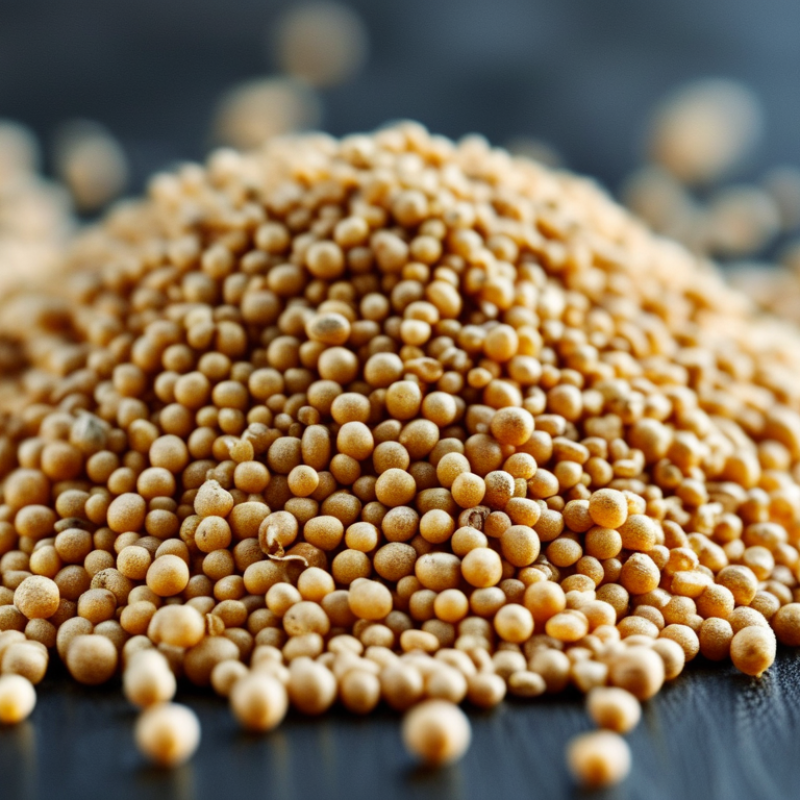
Fertilizer Granulation plays a critical role in modern agriculture. It transforms raw materials into uniform granules. These granules improve handling, storage, and application. Farmers benefit from using granulated fertilizers due to their precise nutrient delivery.
The granulation process involves combining various nutrients. These nutrients come from diverse sources, such as minerals and organic materials. This blending creates a consistent product. Consistency ensures that crops receive adequate nutrition. Using granulated fertilizers can increase crop yields and enhance soil health.
However, the process is not without its challenges. Quality control is vital during production. Variations in raw materials can affect the final product. Continuous improvement is needed to ensure reliability. Understanding these aspects empowers farmers to make informed choices.
Understanding the Fertilizer Granulation Process
The fertilizer granulation process is crucial in the agricultural industry. It transforms raw materials into uniform granules, enhancing their physical properties. Granulation improves nutrient delivery and minimizes dust generation. According to a report by the International Fertilizer Association, about 75% of fertilizers produced globally are granulated, highlighting the method’s importance.
During granulation, various techniques are employed, such as drum granulation and disc granulation. Each method has unique advantages, but they share the central goal of producing consistent granules. The average size of these granules typically ranges from 2 to 4 mm, optimizing their effectiveness in soil. Consistency in size helps ensure even distribution when applied in the field.
Research indicates that granulated fertilizers can increase crop yield by about 20% compared to non-granulated forms. This improvement is essential for farmers seeking efficient growth solutions. However, challenges remain, such as managing the moisture content during granulation. It’s vital to carefully control this factor to avoid clumping or uneven distribution. Thus, while the benefits are substantial, the process demands meticulous attention to detail.
Key Steps in the Fertilizer Granulation Process
The fertilizer granulation process consists of several key steps that ensure the production of high-quality granules. The first step is material preparation, where raw inputs like nitrates, phosphates, and potash are finely ground to enhance mixing and granulation. According to industry reports, finely ground materials improve granule uniformity and product effectiveness.
Next, a mixing process takes place. Here, additives such as binding agents and nutrients are thoroughly combined. This step is crucial, as uneven mixing can lead to subpar granules. Effective mixing results in granules that dissolve properly in soil, enabling optimal nutrient availability.
The granulation stage follows, typically through wet granulation or dry granulation methods. With wet granulation, a liquid binder is added, promoting granule formation. On the other hand, dry granulation relies on pressure to create granules without the need for moisture. The right choice of method can significantly influence the final product’s quality.
Tips: Regular monitoring of moisture levels during granulation can prevent common issues like clumping. It's important to continually evaluate granule size and appearance to maintain product quality. Regular adjustments ensure consistency in the final product, which is vital for agricultural success. Remember, even with careful planning, unexpected variances can occur; staying adaptable is key.
Types of Equipment Used in Fertilizer Granulation
Fertilizer granulation is crucial for effective nutrient delivery in agriculture. Various equipment is used in this process, each serving specific functions. The most common types include granulators, mixers, and dryers. Granulators form small pellets from powdered material, ensuring uniform nutrient distribution. Their design often impacts the size and hardness of the granules produced.
Mixers combine different raw materials to achieve the desired chemical composition. These machines ensure thorough blending, which is necessary for quality production. There are batch and continuous mixers, each suited for different scales of operation. Equipment selection often depends on the specific fertilizer being produced.
Dryers play a vital role in removing moisture from granules. This step is essential for prolonging shelf life and ensuring product stability. The choice of drying technology, such as rotary or fluidized bed dryers, can affect energy efficiency and production rates. However, manufacturers must regularly assess their equipment's performance to avoid inefficiencies. Regular training and maintenance practices can enhance reliability and output quality.
Advantages of Granulated Fertilizers for Agriculture
Granulated fertilizers offer several advantages that benefit agricultural practices significantly. One major benefit is their ease of application. Farmers can spread granules uniformly across fields, ensuring better coverage. This uniformity can lead to improved crop yields. Granulated fertilizers also minimize dust, making handling safer and cleaner.
When it comes to soil health, granulated fertilizers dissolve slowly. This slow release ensures that nutrients are available to plants over time. Such a process helps in reducing nutrient runoff and increases nutrient efficiency. Farmers find themselves using fewer inputs while still achieving desired growth outcomes. Moreover, the granulation process often protects the nutrients from environmental factors, enhancing their effectiveness.
Tip: Always conduct a soil test before applying fertilizers. Understanding nutrient levels helps in making informed decisions.
While granulated fertilizers are beneficial, it’s essential to understand their limitations. Not all soil types respond equally. Some soils may require specific types of nutrients in different forms. Therefore, it’s crucial to tailor the fertilizer choice based on individual soil needs.
Tip: Adjust fertilizer applications based on crop type and stage of growth. This approach can lead to better resource management.
Fertilizer Granulation Process and Its Benefits
This bar chart illustrates the key benefits of granulated fertilizers compared to traditional fertilizers, showcasing their higher nutrient content, better application efficiency, and cost effectiveness alongside differing release rates.
Environmental Impact and Sustainability of Fertilizer Granulation
The environmental impact of fertilizer granulation is a critical concern. Fertilizer production can lead to greenhouse gas emissions and water pollution. However, advancements in granulation techniques have made the process more efficient and sustainable. Utilizing techniques like agglomeration and coating can help reduce these negative effects. Such methods enhance nutrient uptake and decrease runoff, benefiting both crops and the environment.
When considering fertilizer granulation, attention to sustainability practices is essential. The incorporation of organic materials, like compost or biochar, can greatly enhance soil health while reducing reliance on synthetic inputs. This not only minimizes environmental damage but also promotes biodiversity in agricultural ecosystems. It’s crucial for producers to explore alternatives to traditional chemical fertilizers.
Tips for sustainable fertilizer practices:
- Regularly test soil health to determine the exact nutrient needs.
- Opt for locally sourced organic materials to minimize environmental footprint.
- Implement crop rotation to improve soil fertility naturally.
Reflecting on these elements is vital. While fertilizer granulation can improve crop yield, its sustainability must not be compromised. The path forward is one of balance, ensuring both productivity and environmental preservation.