What is a Fixture Shoulder Screw and How to Choose the Right One?
The fixture shoulder screw is a critical component in many manufacturing processes. Its design ensures proper alignment and stability within fixtures, which has a significant impact on product quality. According to industry reports, over 70% of production failures are linked to improper fastening methods. This highlights the importance of selecting the right fixture shoulder screw.
Choosing the wrong fixture shoulder screw can lead to issues like tool misalignment and increased downtime. These problems can affect productivity and increase costs. Moreover, studies show that using the right fastening components can improve assembly efficiency by up to 30%. This statistic underscores the need for careful selection based on material, size, and application.
Manufacturers often overlook the nuances of fixture shoulder screws. Some may underestimate the importance of load-bearing capacity or thread type. This can lead to mistakes that could easily be avoided. The stakes are high, and reflecting on the choice of components is essential for long-term success. Proper knowledge and expertise are critical in making informed decisions.
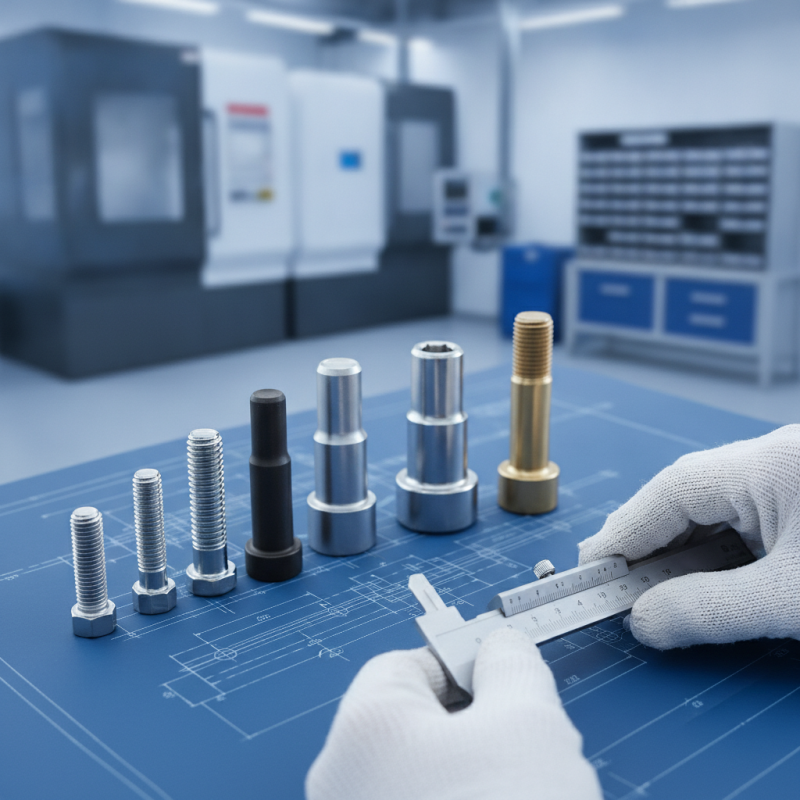
What is a Fixture Shoulder Screw? Definition and Key Characteristics
Fixture shoulder screws are precision fasteners designed for use in various machinery and assembly applications. They feature a cylindrical shoulder and a threaded portion, allowing for secure mounting and alignment. The shoulder provides a stable surface for components, which is crucial in applications that require high precision. According to a report by the Industrial Fasteners Institute, the global market for shoulder screws is expected to grow significantly due to increasing automation in manufacturing.
The key characteristics of fixture shoulder screws include material strength, thread depth, and shoulder diameter. Common materials include stainless steel and alloy steel, known for their durability. Proper selection of these characteristics is vital. An inappropriate shoulder diameter can lead to misalignment, causing operational inefficiencies. It's essential to ensure that the selected screw meets the specific performance requirements of your application.
Tips: Always consider the environmental conditions, such as humidity and temperature, that might affect the screw's performance. Additionally, verify the load requirements to avoid failure. Regularly assessing the fitting process can help identify any misalignments or wear patterns early, enabling corrective measures before failure occurs.
Applications of Fixture Shoulder Screws in Various Industries
Fixture shoulder screws are essential components used across various industries. Their unique design includes a shoulder that provides stability and support. In automotive manufacturing, these screws help secure engine components, ensuring durability under extreme conditions. According to industry reports, the demand for high-quality fastening solutions in the automotive sector is projected to increase by 5% annually through 2025. This highlights the critical role fixture shoulder screws play in maintaining vehicle integrity.
In the aerospace industry, fixture shoulder screws are crucial for assembling aircraft parts. These screws withstand vibration and stress, contributing to passenger safety. A recent study indicated that using reliable fastening methods could reduce maintenance costs by nearly 15%. These figures emphasize the importance of selecting the right hardware.
**Tips**: Always consider the material of the shoulder screw based on your specific application. Stainless steel offers corrosion resistance, while titanium provides strength without added weight. Remember that inadequate selection can lead to failures, which can be costly and unsafe. Regularly review and update your inventory based on industry standards to prevent obsolete components from compromising your projects.
Applications of Fixture Shoulder Screws in Various Industries
Factors to Consider When Choosing Fixture Shoulder Screws
When selecting a fixture shoulder screw, several factors come into play. The screw's size is crucial. It needs to fit the specific application. Measure the diameter and length accurately. A mismatched screw can lead to assembly issues. Material choice is vital too. Steel offers strength, while aluminum is lightweight. Each application may require different material properties.
Thread type is another consideration. Metric or imperial threads can affect compatibility. Understand the components you'll work with. Load capacity is essential as well. Ensure the screw can handle the expected stress. It's not just about the installation; it's also about long-term reliability.
Finally, think about the screw's finish. A proper coating can enhance corrosion resistance. This is particularly important in harsh environments. Consider the aesthetic aspects as well. Sometimes, the visual appeal of the screw matters. It's easy to overlook details like these. Reflect on your specific needs as you make your choice. A careful selection process leads to better results in projects.
Material Options: Steel, Stainless Steel, and Other Alloys
When choosing a fixture shoulder screw, material is a key consideration. Steel, stainless steel, and various alloys each have unique properties. Steel is strong and durable, making it ideal for heavy-duty applications. It is, however, susceptible to rust if not properly coated. Stainless steel resists corrosion and is great for environments where moisture is present.
Other alloys may offer specialized properties, such as increased strength or flexibility. It's essential to understand the specific needs of your project. You might need a screw that can withstand high temperatures or one that offers enhanced tensile strength.
Tips: Always think about the environment the screw will be in. If it's outdoors, consider corrosion-resistant materials. Test sample pieces whenever possible. This can help you assess real-world performance. Lastly, don't overlook the importance of thread design. The right thread can significantly affect the screw's holding power. Experiment with different designs to find what works best for your needs.
Understanding the Dimensions and Tolerances in Fixture Shoulder Screws
When selecting a fixture shoulder screw, understanding dimensions and tolerances is crucial. These screws vary in diameter, length, and shoulder height. Accurate measurements ensure a proper fit in your assembly. A shoulder screw's diameter affects load distribution, while length influences how deeply the screw penetrates the material.
Tolerances determine the allowable variation in these dimensions. Tight tolerances lead to a snug fit, preventing movement. However, if too tight, they can cause stress and failure. A balance is needed here. It’s essential to consider the material used, as different materials behave differently under load. Choosing the right screw involves assessing the application's demands.
Another factor is the shoulder height. It supports components in alignment. Insufficient shoulder height can lead to misalignment. On the other hand, excessive height may not fit within tight spaces. Take time to measure and review requirements, as errors can lead to assembly issues. Understanding these factors can provide a solid foundation for making an informed choice.
What is a Fixture Shoulder Screw and How to Choose the Right One?
| Dimension | Measurement | Tolerance | Material |
| Shoulder Diameter | 5 mm | ±0.02 mm | Stainless Steel |
| Thread Diameter | 4 mm | ±0.01 mm | Carbon Steel |
| Length | 20 mm | ±0.5 mm | Aluminum |
| Shoulder Length | 10 mm | ±0.1 mm | Brass |
| Head Diameter | 6 mm | ±0.03 mm | Plastic |