What is Galvanized Coil and Why is it Important?
Galvanized Coil is a crucial material in various industries. It consists of steel coated with a layer of zinc. This coating provides excellent corrosion resistance. As a result, products made from Galvanized Coil last longer. They can withstand harsh environments without significant degradation.
The significance of Galvanized Coil extends beyond its durability. It plays a vital role in construction, automotive, and manufacturing sectors. For instance, in construction, it is often used for roofing and siding. The high resistance to rust makes it an ideal choice. However, some may overlook the need for proper coating thickness. This can lead to unexpected failures over time.
Moreover, manufacturers must control quality during production. Inconsistent coatings can reduce the benefits of Galvanized Coil. Attention to detail is essential. While this material has many advantages, understanding its limitations is equally important. Proper usage ensures long-lasting results. But, neglecting care shows a misalignment between expectations and reality.
Definition and Composition of Galvanized Coil
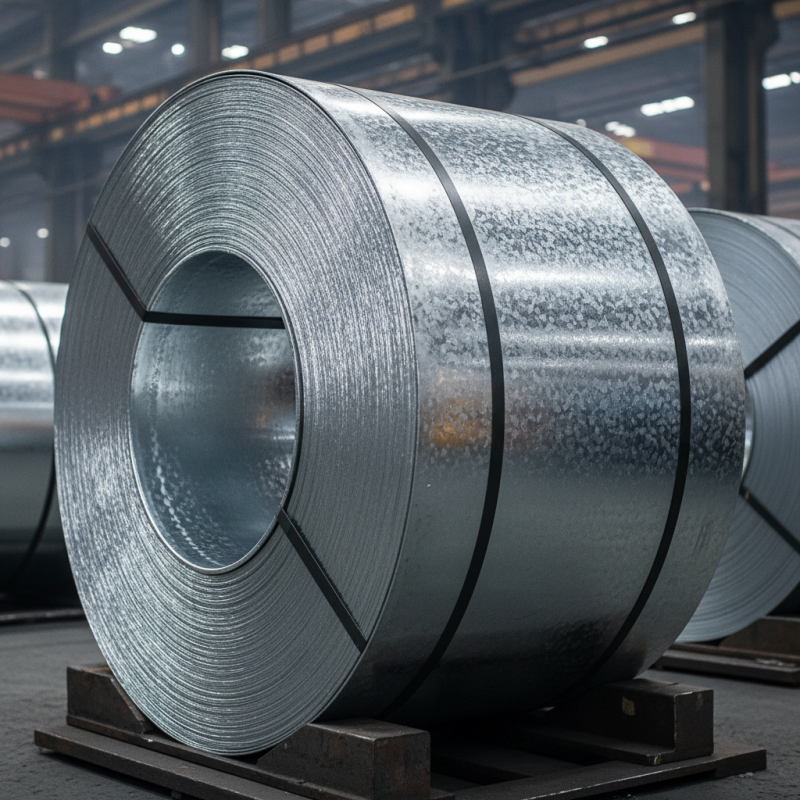
Galvanized coil is a type of steel sheet coated with zinc to prevent rusting. This process, known as galvanization, enhances durability significantly. The typical composition includes 98% iron and 2% zinc, although percentages can vary based on desired characteristics.
The importance of galvanized coils lies in their applications. They are widely used in construction, automotive, and appliance industries. According to industry reports, approximately 30% of steel produced globally is galvanized. This demonstrates its critical role in protecting against corrosion and extending the lifespan of products.
However, not all galvanized products perform equally. Variations in coating thickness can impact effectiveness. Some coils may exhibit premature corrosion if not properly treated. The average lifespan of galvanized steel in a non-corrosive environment can reach over 50 years, but factors like climate and exposure will affect durability. It's crucial for manufacturers to pay attention to these aspects to maximize performance and minimize risks.
Manufacturing Process of Galvanized Coil
The manufacturing process of galvanized coils involves several critical steps. Zinc coating enhances the steel's corrosion resistance. Initially, steel coils undergo cleaning to remove any contaminants. This step ensures a better bond between zinc and steel. After cleaning, the coils are subjected to a galvanizing process.
The most common method is hot-dip galvanizing. The steel coils pass through a molten zinc bath at around 450°C. This creates a strong metallurgical bond. Research shows that this process can increase a coil's lifespan by up to 60 years in harsh environments. However, controlling the thickness of the zinc coat is challenging. Uneven coating might lead to premature corrosion in some areas.
Post-galvanizing, coils undergo cooling and inspection. Operators check for any defects that could affect performance. The importance of maintaining quality in these stages cannot be overstated. Poorly galvanized coils compromise structural integrity. Industry reports indicate that improper techniques can lead to significant financial losses in construction and manufacturing sectors. Balancing efficiency and quality remains a challenge for many manufacturers.
Applications and Uses of Galvanized Coil in Various Industries
Galvanized coil is steel that has been coated with zinc. This process prevents rust and corrosion. It plays a vital role in many industries. The construction sector makes extensive use of galvanized coil. It helps in building durable structures. Industry data suggests that more than 40% of galvanized steel goes towards construction applications. This includes roofing, siding, and structural components.
In the automotive industry, galvanized coils are equally crucial. Vehicle parts often use this material for its rust-resistant properties. Reports show that nearly 90% of vehicle manufacturers utilize galvanized steel for body components. This highlights its significance in ensuring longevity and safety in vehicles.
Despite its advantages, not all users fully appreciate its potential. Some industries still overlook the benefits of using galvanized coil. The long-term cost savings through durability are often ignored. Furthermore, proper processing methods are sometimes neglected. This leads to suboptimal results. Users should reflect on these practices to maximize the benefits of galvanized materials.
Benefits of Using Galvanized Coil Over Other Materials
Galvanized coils are sheets of steel coated with zinc. This coating protects against corrosion, making them ideal for various applications. Their resistance to rust extends the lifespan of products, which is crucial for industries like construction and automotive. According to a report from the World Steel Association, galvanized steel can last up to 50 years under proper conditions.
One major benefit of using galvanized coils is their cost-effectiveness. They are more affordable than stainless steel while providing reliable corrosion resistance. Additionally, galvanized steel requires less maintenance, which further reduces long-term costs. Studies show that using galvanized materials can cut maintenance costs by up to 50%. This is significant for businesses looking to optimize budgets while ensuring quality.
However, it’s essential to consider the environmental impact. While galvanized coils serve a purpose, the production process involves energy-intensive procedures. Efficient recycling methods are necessary to lessen environmental footprints. Balancing cost and sustainability is an ongoing challenge in the industry. Many companies are still exploring innovative ways to improve practices without sacrificing quality or output.
Maintenance and Longevity of Galvanized Coil Products
Galvanized coil products are essential in various industries. They resist corrosion and offer durability. Their maintenance is crucial for a long lifespan. Regular inspections help identify early signs of wear. This proactive approach prevents expensive replacements.
Cleaning galvanized coils is necessary to maintain their protective coating. Dirt and debris can compromise their performance. A simple wash with water can suffice, but stubborn stains might need something stronger. Care must be taken to avoid abrasive materials that can damage the surface. The goal is to restore their shine, not create new problems.
Storing these products correctly also prolongs their life. A dry, covered space is ideal. Exposure to moisture can lead to rusting, even on galvanized surfaces. It's easy to overlook this aspect, yet it’s critical. Missing these details can lead to significant issues down the line. Being diligent in maintenance keeps these coils functional for longer.