What is a Holesaw Bit and How to Choose the Right One?
In the world of woodworking and metalworking, the Holesaw Bit stands out as a crucial tool. Renowned expert Jack Thompson, a seasoned contractor, emphasizes, “Choosing the right Holesaw Bit can make or break your project.” This statement highlights the significance of selecting the appropriate bit for the task at hand, reflecting both expertise and the practical challenges users face.
When it comes to selecting a Holesaw Bit, understanding your specific needs is essential. Different projects may require various sizes and materials. For instance, a smaller bit is ideal for delicate tasks, while larger, robust bits work best for thicker materials. Not every bit is suitable for every application, and this can lead to frustration if one does not choose wisely.
Many users may find themselves overwhelmed by choices. The market offers countless options, each with unique features. It requires a good knowledge of each bit's capabilities to ensure the best results. A poor choice can result in wasted time and resources, making informed decisions crucial. The right Holesaw Bit not only enhances efficiency but also determines the overall quality of the work produced.
What is a Holesaw Bit? An Overview of Its Components and Usage
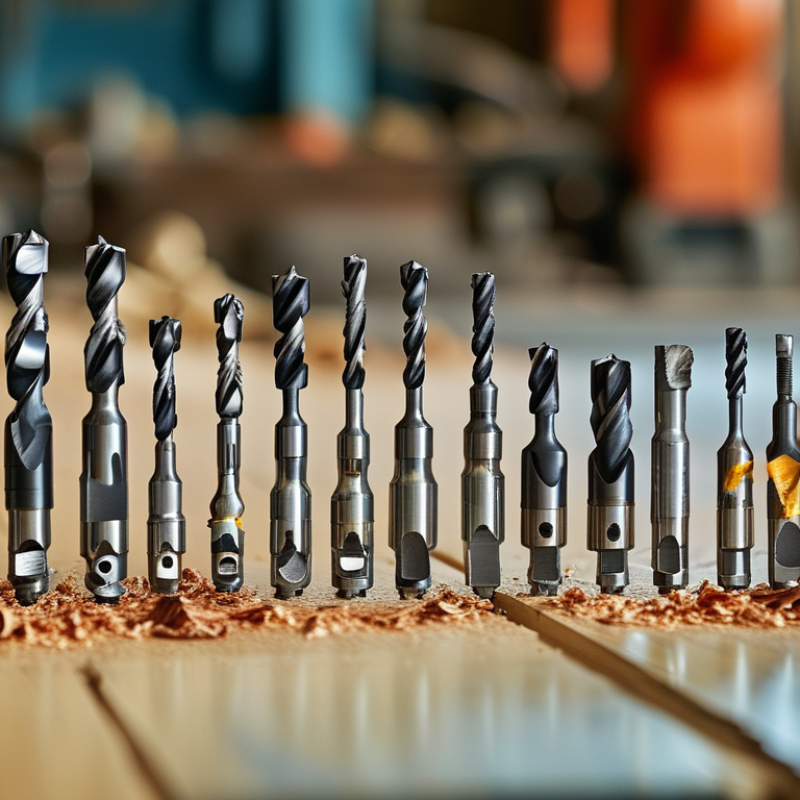
A holesaw bit is a specialized tool used for cutting circular holes in various materials. It consists of a cylindrical saw blade with sharp teeth along its edge. The center usually has a pilot bit that helps guide the saw and enhances accuracy. Holesaw bits come in various sizes, making them ideal for creating holes for pipes, electrical outlets, and plumbing fixtures.
Understanding the components of a holesaw bit is crucial for effective use. The teeth are typically made from high-speed steel or carbide, providing durability and efficient cutting. A proper fit between the bit and the drill is essential. Choosing the wrong size can lead to an ineffective cut and wasted materials.
When using a holesaw bit, attention to detail is important. Uneven pressure during cutting can lead to rough edges or even damage to the workpiece.
While holesaw bits are versatile, they require careful handling. Improper technique may result in injuries or tool damage. It's crucial to practice safe drilling and to check the bit for wear. A worn bit can lead to poor results and may cause frustration. Remember, even experienced users need to reflect on their techniques occasionally. Continuous improvement can elevate your work quality.
Types of Holesaw Bits: Material Variations and Their Applications
When it comes to holesaw bits, material variations play a crucial role in their effectiveness. Bi-metal holesaws are popular for their versatility. They combine high-speed steel teeth with a durable steel body, making them ideal for cutting through wood, metal, and plastic. Their flexibility allows for consistent performance across different applications.
Carbide-tipped holesaws are another option for tougher jobs. They excel in hard materials like ceramics and porcelain. Their strength reduces wear, making them a reliable choice for professionals. However, the cost is generally higher, and they may not be necessary for simple tasks.
Choosing the right holesaw bit requires careful consideration of both material and intended use. For home projects, bi-metal bits might suffice. Yet, if you often work with hard surfaces, investing in carbide-tipped options can save time and effort. Remember, each type has its strengths and weaknesses. The decision should align with your specific needs, reflecting on what will work best for your projects.
Key Factors to Consider When Choosing a Holesaw Bit
Choosing the right holesaw bit involves several key factors that affect performance and results. First, consider the material you’ll be cutting. Holesaw bits are designed for specific materials like wood, metal, or masonry. Using the wrong bit can lead to poor results and wasted effort.
Tip: Always check a holesaw bit’s specifications. Ensure it matches your material type and thickness. This small step saves time and frustration.
Next, think about the size of the hole you need. Holesaw bits come in various diameters. Choosing the wrong size can create issues with mounting or fitting. A bit that’s too large can damage surrounding materials, while a bit that’s too small won't serve its purpose.
Tip: Measure twice before selecting. Getting the right size matters more than you might think. Pay attention to the depth of the bit as well. If it’s too short, you could end up with incomplete cuts, which can lead to rework and delays.
Lastly, consider the fluting style. Some designs help with chip removal while cutting. Others may offer more efficiency in specific materials. Choosing a style that fits your needs can enhance performance.
Tip: Look for reviews or guidelines on the fluting style. A good choice here can make all the difference in your project outcomes.
Industry Standards: Hole Sizes and Performance Metrics in Holesaw Bits
When selecting a holesaw bit, it's crucial to consider industry standards for hole sizes and performance metrics. Holesaws come in various diameters, from small precision cuts to larger openings. Each diameter serves specific purposes, such as plumbing, electrical work, or HVAC installations. Understanding the right size for your project is essential for optimal performance.
Performance metrics include tooth design, materials, and cutting depth. The number of teeth on a holesaw affects cutting efficiency and finish. For wood, fewer teeth may suffice, while metal requires more precision. Additionally, the material of the holesaw bit impacts durability. High-speed steel (HSS) is common, but carbide-tipped options offer greater longevity.
While selecting the right holesaw bit seems straightforward, it's crucial to reflect on your project's requirements. Not all bits perform equally across different materials. Misjudging the necessary diameter can lead to poor fitting and wasted time. Consider the specific application before making a decision to ensure the best performance from your holesaw bit.
Tips for Maintaining and Extending the Life of Holesaw Bits
Holesaw bits are essential for creating clean, round holes in various materials. To ensure they last longer and perform optimally, proper maintenance is key.
Regularly cleaning your holesaw bits can significantly enhance their lifespan. After each use, wipe off any residue. This prevents buildup that could affect future performance. Always check for any signs of wear, such as dullness or chips. Using a dull bit can lead to inefficient cuts and frustration.
When using holesaw bits, apply lubricant. This reduces friction during cutting, helping to avoid overheating. A well-lubricated bit will cut through materials with ease. Additionally, store your holesaw bits in a dry place. Moisture can cause rust, which shortens their life. A proper storage solution will safeguard your tools.
Remember to always use the right speed settings for the material. If you notice smoke or excessive heat, slow down. Reflecting on your usage habits can lead to better care. Don’t rush the process; taking your time can prevent costly mistakes.