What Is the Price of a UV Lamp?
What Is the Price of a UV Lamp? The answer depends on more than the bulb itself. A small replacement lamp for a household device may cost far less than a high-output unit built for industrial equipment. Brand, wattage, lamp length, expected service life, and compatibility all affect the price. So does the system around it. A lamp that looks right may still fail to fit the socket or meet the equipment’s specifications.
UV purchasing specialist Jordan Lee offers this practical reminder: “Compare the lamp’s full service life and compatibility, not just its sticker price.” This is an illustrative quotation, not a sourced statement from an interview. The point is simple: a low upfront cost can become a poor bargain if the lamp needs frequent replacement or performs inconsistently. Check the model number, operating hours, and replacement guidance before comparing listings.
This guide explains common Uv Lamp Price ranges and the details that drive them. It also looks at replacement costs, differences between consumer and commercial lamps, and questions to ask sellers. A printed price tag tells only part of the story. For example, a buyer comparing two lamps should note whether each includes a power supply, warranty, or installation support. Those extras matter. Sometimes the cheapest option is fine; sometimes it is not. Prices vary by seller and date, so treat any range as a starting point, not a promise. We’ll keep the comparisons practical, while recognizing that product listings can be incomplete.
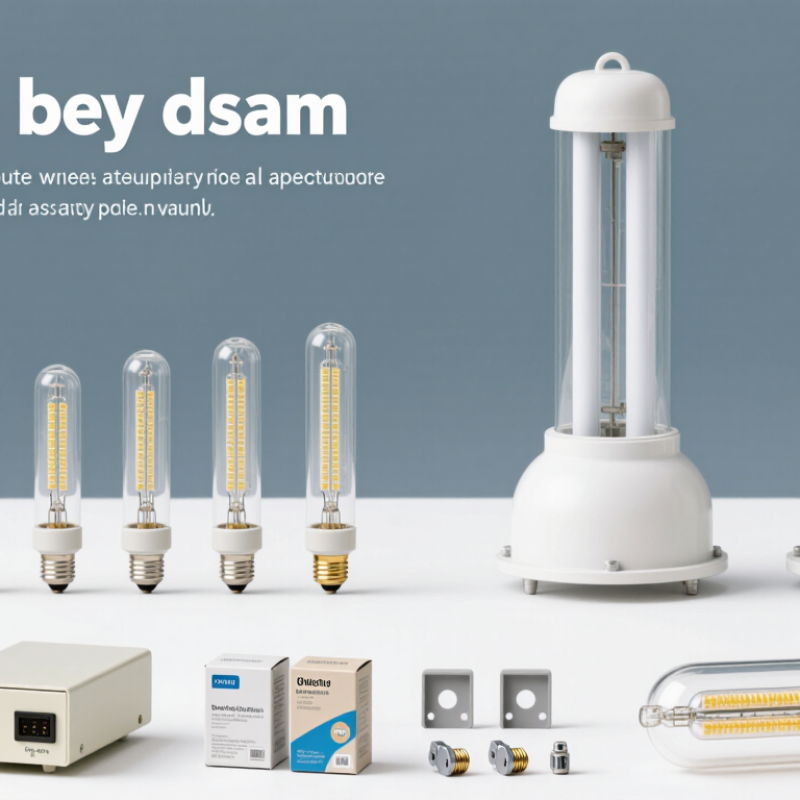
What a UV Lamp Is and What Its Price Covers
What Is the Price of a UV Lamp?
What a UV Lamp Is and What Its Price Covers
A UV lamp produces ultraviolet light for a specific task, such as curing materials, supporting water treatment, or helping with inspection. UV describes a range of wavelengths, and different applications need different output. A small handheld unit is not comparable to a shielded treatment system. Prices vary widely.
The price may cover more than the light source. A complete unit can include a housing, power supply, cooling parts, controls, and protective shielding. Some systems also have timers or sensors that track lamp use. Check whether the quoted price includes installation, testing, or a replacement lamp. Those items can change the real cost.
Output, build quality, and expected service life also affect price. For example, a lamp used for long operating hours may need sturdier components than one used occasionally. Ask for its rated wavelength, usable output, and replacement schedule, not just its wattage. That detail matters. UV-C equipment can harm eyes and skin, so enclosed designs and safety controls are worth checking. Product information is not always clear; I would compare the included components and operating costs before judging a price by the lamp alone.
What Is the Price of a UV Lamp? - What a UV Lamp Is and What Its Price Covers
A UV lamp produces ultraviolet light for a particular application. The estimates below are typical USD retail ranges, not brand-specific quotes. Prices vary with output, size, materials, safety features, and whether the product includes a power supply or accessories.
| UV lamp type | Typical price (USD) | What the price commonly covers | Common extra costs or limits |
| Replacement UV-C bulb | $8–$40 | One replacement bulb for a compatible air, water, or surface-treatment unit. | Usually excludes the fixture, ballast, and installation. Compatibility and bulb life vary. |
| Basic enclosed UV-C fixture | $30–$200 | A small fixture, housing, and usually a bulb or LED module; some models include a timer or safety switch. | Replacement lamps and ongoing maintenance may cost extra. Check the intended room size and safety instructions. |
| Portable nail-curing lamp | $10–$60 | A compact LED or UV/LED unit, typically with a timer and a power adapter or USB cable. | Gel compatibility and curing time depend on the lamp’s wavelength and output; nail products are generally sold separately. |
| Aquarium UV sterilizer | $25–$150 | A small in-line or submersible unit, often with a housing and bulb or LED source. | Hoses, pump, replacement bulb, and setup may be additional. Suitable flow rate depends on aquarium size and use. |
| Pond UV clarifier | $80–$500 | A weather-resistant housing and UV source, sometimes supplied with basic mounting or plumbing connections. | Pumps, pipework, replacement bulbs, and installation are often separate; capacity should match pond volume and flow. |
| Blacklight or UV-A lamp | $10–$80 | A handheld lamp, bulb, or small fixture for fluorescence, inspection, or display applications. | Batteries, fixtures, or protective eyewear may be extra. Wavelength and beam coverage affect suitability. |
| Professional UV curing system | $500–$5,000+ | A higher-output UV source with a control unit and, depending on the system, a conveyor, shielding, or curing chamber. | Installation, shielding, ventilation, controls, and service may be additional. Price depends heavily on process and production scale. |
Price check: Confirm the UV band, output, coverage or flow rating, included power components, and replacement-part cost before comparing products. UV-C can injure eyes and skin; use only as directed, with suitable shielding and safety controls.
Which Factors Influence the Price of a UV Lamp
What Is the Price of a UV Lamp?
Which Factors Influence the Price of a UV Lamp
A UV lamp’s price depends on more than its size. The type of ultraviolet light matters: UV-A, UV-B, and UV-C lamps serve different purposes and use different components. Output also affects cost. A lamp designed to deliver stronger, more consistent radiation may need a higher-grade light source and power supply. Output matters.
Lamp design can change the price, too. A small replaceable bulb is usually simpler than a complete unit with a housing, reflector, timer, or cooling fan. For example, compare the cost of replacing a bare lamp with the cost of replacing a sealed assembly. Check whether the required ballast or power supply is included; listings do not always make this clear.
Expected operating life and replacement frequency are practical factors. A lower-priced lamp may cost more over time if it needs frequent replacement or loses output quickly. Look for clear specifications on wavelength, rated life, and compatible dimensions. Warranty terms and independent performance documentation can also affect price. Small details count. It is tempting to compare only the sticker price, but that can miss installation costs and downtime. Even careful comparisons leave some uncertainty, because real performance depends on operating conditions.
How UV Lamp Prices Vary by Type and Application
UV lamp prices vary by technology and by what the buyer actually needs. Indicative U.S. prices range from about $10–$80 for a replacement UV-C tube to $100–$500 for a basic HVAC kit. A compact water-treatment unit may cost several hundred dollars; higher-capacity systems can reach thousands, before installation. These are broad market estimates, not fixed tariffs. Installation changes everything. A bare lamp is not the same purchase as a shielded fixture, power supply, or complete treatment system.
Application explains much of the gap. A small room unit has different output, housing, and safety controls from equipment designed for continuous water treatment or large air-handling systems. The U.S. Department of Energy’s 2023 Solid-State Lighting R&D Opportunities report identifies UV-C LED efficiency and lifetime as continuing development challenges, which can affect upfront cost and replacement planning. Grand View Research valued the global UV disinfection equipment market at about $5.2 billion in 2023 and projected 6.9% annual growth through 2030; this measures market demand, not lamp prices. One easy mistake is comparing only the sticker price. Check wavelength, rated service life, replacement-part availability, and whether a qualified installer is included.
Quotes can still be hard to compare. That deserves a second look.
What Additional Costs Affect the Total Price
The sticker price rarely tells the whole story. A UV lamp may need a compatible fixture, ballast, wiring, mounting hardware, and professional installation. In disinfection systems, protective sleeves can also need regular cleaning; dust or mineral deposits reduce the UV reaching the target. The U.S. EPA’s UV Disinfection Guidance Manual identifies lamp aging and sleeve fouling as important operating and maintenance factors. Replacement timing depends on the lamp and system, so check the manufacturer’s rated hours and the equipment’s output readings. Easy to miss.
Electricity adds a quieter cost. The U.S. Energy Information Administration’s Electric Power Annual reported an average commercial electricity price of 12.41 cents per kilowatt-hour in 2023. At that rate, a 40-watt lamp running continuously uses about 350 kilowatt-hours yearly, or roughly $43. That is an illustration, not a quote; the fixture may draw more power, and local rates vary. Budget for replacement lamps, cleaning labor, inspections, and any downtime needed for servicing. I would question unusually low estimates that omit these items. A lamp can look inexpensive and still cost more to operate than expected.
What Is the Price of a UV Lamp?
Estimated UV lamp and related costs in USD
Prices vary by lamp type, capacity, and local labor rates. Installation is a one-time cost; replacement bulbs and electricity are recurring costs. These broad estimates are for comparison, not a quote.
How to Compare UV Lamps Within a Budget
A UV lamp’s price makes sense only when you compare it with the job it needs to do. A small lamp for curing resin is not equivalent to a unit designed for water treatment or surface disinfection. Check the wavelength and intended use before comparing prices. A lower-cost model may have a smaller treatment area, slower output, or limited controls. Look for clear specifications, not just a high wattage number.
Then compare the full cost of ownership. Check whether the lamp or light source can be replaced, how often replacement is recommended, and what it costs. Consider coverage, power use, timer settings, and warranty terms. For example, a lamp that treats a narrow area may require several passes, adding time to each use. Safety features matter, too; some UV wavelengths can harm eyes and skin, so use shielding and follow the manufacturer’s instructions. Small details count.
A simple comparison table can help. List purchase price, replacement parts, coverage, and expected service life for each option. Be cautious with vague claims such as “professional strength” when measurable output is missing. I still find one detail easy to overlook: a cheap lamp can become expensive if replacement parts are hard to find. Choose based on verifiable specifications and your actual workload, not the lowest sticker price.