
How to Choose the Best Parking Air Heater for Your Vehicle?

Choosing the best Parking Air Heater requires more than comparing wattage or price. It requires attention to vehicle size, climate, battery capacity, installation space, and daily driving habits. A compact diesel heater may warm a van quickly, while an electric system can suit a smaller cabin with reliable shore power. Real vehicles vary. Laboratory figures do not always match a windy campsite or a frozen morning.

The International Energy Agency reported in Global EV Outlook 2024 that electric-car sales exceeded 14 million worldwide in 2023. That growth makes energy management increasingly important, because cabin heating can reduce available driving range in cold weather. Grand View Research also identifies rising demand for efficient automotive heating and thermal-management systems through this decade. These reports support one practical point: heater selection should consider total energy use, not comfort alone.

Dr. Holger Engelmann, former Webasto chief executive, has described thermal management as “a key element for comfortable and efficient mobility.” His observation remains useful when evaluating a Parking Air Heater. Look closely at fuel consumption, noise, ventilation, control options, safety certification, and service access. Installation quality matters greatly. A powerful unit can still disappoint if ducts are poorly routed or insulation is weak. I should admit one limitation: published efficiency numbers often use controlled conditions. Your winter reality may be harsher. The right heater is therefore the one that matches your vehicle, not simply the one with the highest output.
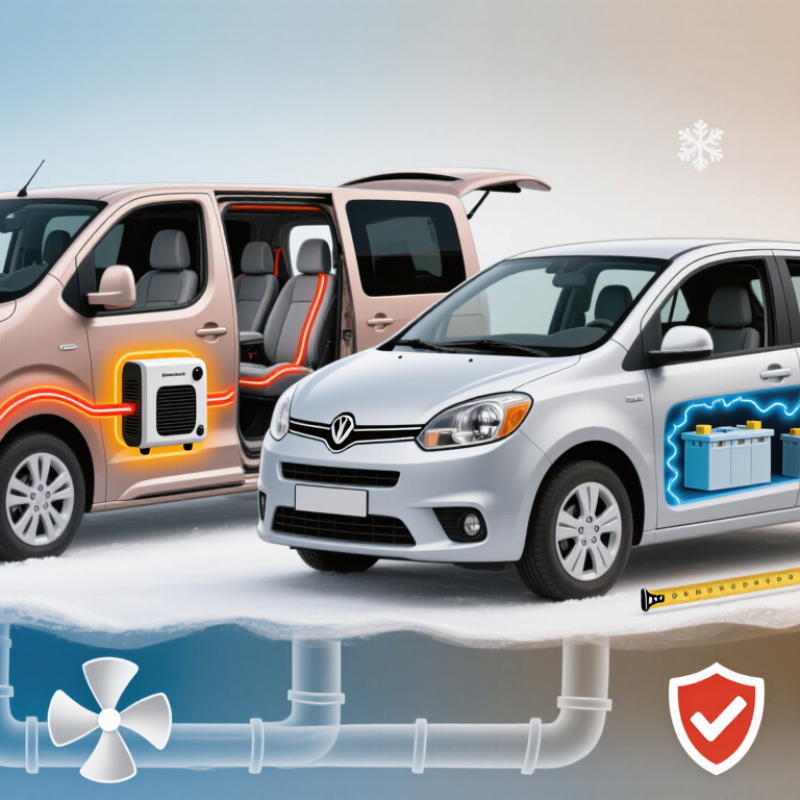
How to Choose the Best Parking Air Heater for Your Vehicle?

Understanding How Parking Air Heaters Work

How to Choose the Best Parking Air Heater for Your Vehicle?

Understanding How Parking Air Heaters Work

A parking air heater warms the cabin without running the vehicle’s engine. It uses a small fuel pump to deliver fuel into a sealed combustion chamber. An ignition system burns the fuel, while a fan moves cabin air across a heat exchanger. Warm air then returns through the vehicle’s interior.

Combustion gases leave through a separate exhaust pipe. They must never mix with cabin air. That detail matters more than rapid heating. A qualified installer should check exhaust routing, fuel connections, intake placement, and heat shielding. A carbon monoxide detector inside the vehicle adds another practical layer of protection.

The heater also needs electricity. During startup, the glow plug can draw significant current. Weak batteries may cause failed starts, especially on freezing mornings. I once underestimated this issue and focused only on heating capacity. The heater worked, but the battery did not recover well after short trips. That was a useful mistake.

Choose output according to cabin size, insulation, and local winter temperatures. Oversizing may create frequent cycling and unnecessary fuel use. Undersizing can leave windows cold and the interior uncomfortable. Check fuel compatibility, voltage, noise levels, control options, and maintenance access. Look for clear technical documentation and recognized safety testing. A low purchase price means little if replacement parts or installation guidance are unavailable. Keep the exhaust outlet clear of snow, inspect hoses regularly, and allow the shutdown cycle to finish. Never interrupt it casually.

Matching Heater Types to Your Vehicle and Climate

How to Choose the Best Parking Air Heater for Your Vehicle?

Matching Heater Types to Your Vehicle and Climate

Your vehicle and climate should decide the heater type. An air heater warms the cabin directly and suits vans, trucks, and sleeping compartments. It usually consumes less energy than heating the entire engine. A coolant heater circulates warmth through the engine and cabin system. It works better for diesel vehicles facing repeated starts below freezing. Electric vehicles need careful planning. AAA testing found that cold weather reduced EV range by up to 41% at 20°F, especially when cabin heat operated continuously. That figure is useful, but real results vary with speed, battery age, and wind.

Measure twice. Check the battery first. The U.S. Department of Energy reports that idling can consume up to 0.5 gallons of fuel hourly, depending on engine size and conditions. A properly sized parking heater may reduce this waste, but only when its fuel use and electrical demand match the vehicle. In wet coastal climates, choose sealed components and protect wiring from condensation. In high-altitude regions, combustion settings need professional adjustment because thinner air affects performance. I would avoid choosing by wattage alone. A compact cabin may overheat quickly, while a large van may remain cold near the doors. One practical mistake is ignoring insulation. Better window covers can reduce heater runtime more than a larger heater. Installation quality still matters; ask a qualified technician to check exhaust routing, ventilation, battery capacity, and shutdown controls.

Comparing Fuel Sources, Power Ratings, and Heating Capacity

How to Choose the Best Parking Air Heater for Your Vehicle?

Choosing a parking air heater starts with the fuel source. Diesel heaters suit many larger vehicles because they provide steady heat and use a separate fuel tank. Petrol models may fit vehicles already equipped with petrol systems, but installation requires careful planning. Electric heaters produce no exhaust gases during use, yet they can drain a battery quickly in cold weather. Check fuel availability, ventilation needs, and your typical parking location before deciding.

Power ratings should match the vehicle’s interior volume and insulation. A compact van may need around 2 kW, while a poorly insulated truck cabin could require 4 kW or more. Oversizing is not always better. It can cause short heating cycles, higher fuel use, and uneven warmth. Heating capacity also depends on outside temperature, window area, and air circulation. A heater rated for mild winters may struggle at minus 15°C. Real conditions matter more than brochure figures.

Tips: Measure the cabin and check the manufacturer’s tested heating range. Select adjustable output, not only maximum power. Keep air inlets clear of snow and dirt. Test the heater before winter begins. I once underestimated insulation and chose too little capacity; the cabin warmed slowly, despite the heater running continuously. That mistake made the rating seem more important than the whole installation.

How to Choose the Best Parking Air Heater for Your Vehicle? - Comparing Fuel Sources, Power Ratings, and Heating Capacity

Fuel Source Typical Nominal Heat Output Typical Heating Capacity Typical Fuel or Energy Consumption Common Voltage Recommended Vehicle Size Main Advantages Main Limitations
Diesel 2–8 kW Approximately 70–250 m³/h of warm air, depending on fan speed and heater design About 0.10–0.85 L/h 12 V or 24 V DC Cars, vans, motorhomes, trucks, buses, and construction equipment High energy density; suitable for long operating periods; fuel is widely available for diesel vehicles Produces combustion exhaust; requires a correctly routed exhaust outlet and intake system; diesel can gel in severe cold
Gasoline 2–5 kW Approximately 70–180 m³/h of warm air, depending on the selected output level About 0.10–0.65 L/h 12 V or 24 V DC Passenger vehicles, SUVs, vans, and smaller recreational vehicles Good cold-start performance; compact systems can provide strong heat for small and medium cabins Highly flammable fuel; requires careful installation, ventilation, and exhaust routing; not suitable for diesel-only fuel systems
LPG or Propane 2–6 kW Approximately 80–220 m³/h of warm air, depending on the heater and fan setting About 0.15–0.50 kg/h 12 V or 24 V DC for controls and the fan Motorhomes, caravans, service vehicles, and vehicles with approved LPG storage systems Clean-burning compared with many liquid fuels; practical for vehicles already equipped with LPG cylinders Requires a certified regulator, gas lines, ventilation, and leak protection; cylinder capacity affects operating time
Electric Resistance 0.5–2 kW from a 12/24 V vehicle electrical system; higher outputs generally require shore power Approximately 25–100 m³/h, depending on electrical input and fan design 500–2,000 W electrical input 12 V, 24 V, or 120/230 V AC Small cabins, windscreen demisting, short-duration preheating, or vehicles connected to shore power No combustion exhaust; simple operation; low maintenance; useful where fuel installation is not practical High current demand on 12/24 V systems; can rapidly drain a battery; limited heating capacity when disconnected from mains power

Power Rating and Vehicle Application Guide

Nominal Heater Rating Approximate Cabin Volume Typical Vehicle Applications Expected Warm-Up Behavior Selection Considerations
1–2 kW Up to approximately 15 m³ Cars, compact vans, sleeper cabs, and small cabins Efficient for maintaining comfort in a small insulated space; slower in poorly insulated cabins Choose a higher output if the vehicle has large glass areas, frequent door opening, or severe winter exposure
3–4 kW Approximately 15–30 m³ Medium vans, pickup campers, caravans, and larger passenger vehicles Provides a balanced warm-up time and continuous heating capacity for many recreational vehicles Often the practical range for mixed use, but insulation quality remains a major factor
5–8 kW Approximately 30–60 m³ Large vans, buses, trucks, motorhomes, and lightly insulated workspaces Rapidly raises temperature in large spaces and provides more reserve capacity in very cold conditions Verify duct size, battery capacity, fuel supply, exhaust routing, and low-output control to prevent overheating
Note: The figures shown are typical engineering ranges for vehicle air heaters and are not universal specifications. Actual heat delivery depends on insulation, outside temperature, altitude, duct length, installation quality, ventilation, and the heater's control strategy. Combustion heaters must use a sealed combustion circuit with the exhaust routed safely outside the vehicle.

Checking Installation Requirements, Safety Features, and Controls

Choosing the best parking air heater starts with installation, not heating power. Check the vehicle’s available space, battery capacity, fuel connection, and exhaust route. The heater needs firm mounting on a heat-resistant surface. Its exhaust must exit outdoors, away from doors, windows, and air intakes. Never place exhaust outlets beneath enclosed spaces. A professional installer should also inspect wiring, fuses, ventilation, and clearance from plastic or fabric components.

Safety features deserve careful attention. Look for automatic overheating protection, flame monitoring, low-voltage shutdown, and a reliable timer. Carbon monoxide protection is important, but it does not replace a separate cabin detector. The heater should stop safely when airflow is blocked or combustion becomes unstable. I have seen installations treated as simple accessories, which is a mistake. Small routing errors can create serious heat or exhaust problems. Always follow the heater manual and the vehicle manufacturer’s requirements.

Tips: Measure twice. Check clearances before drilling. Test the heater outdoors after installation. Confirm that the exhaust remains secure after driving on rough roads. Choose controls that are easy to read with cold hands, such as a timer, thermostat, and clear fault display. Remote controls can be convenient, but basic manual operation should still work. Review the settings regularly. A heater that warms the cabin quickly may still drain a weak battery overnight.

Evaluating Efficiency, Maintenance Needs, and Long-Term Value

Parking air heater choice should begin with measured use, not the lowest purchase price. In cold weather, a well-sized unit can warm a cabin while using modest fuel and battery power. Oversizing seems attractive, but it may cycle often and waste energy. Undersizing creates long run times. Neither is ideal.

Check fuel consumption at several output levels. Ask for test data, service intervals, noise figures, and replacement-part availability. A heater that uses less fuel may still cost more if its glow plug, pump, or fan fails early. A qualified installer should inspect the air intake and exhaust routing. Keep both clear of snow, dust, and stored luggage. Small blockages can reduce performance and create safety concerns. Follow the vehicle and heater manuals carefully.

Maintenance is where long-term value becomes visible. Run the heater periodically during warmer months, as recommended by the manufacturer, to reduce deposits and reveal faults early. Clean the intake filter and inspect wiring for heat damage. I once underestimated battery condition; the heater worked well, but repeated starts drained a weak battery. That mistake changed my checklist. Still, operating conditions vary, so no simple payback estimate fits every driver. Consider winter mileage, parking duration, fuel prices, installation quality, and expected service life. A durable heater is valuable only when its upkeep fits your routine and budget.

How to Choose the Best Parking Air Heater for Your Vehicle?

Typical midpoint benchmarks for 2 kW parking-heater systems. Higher efficiency and longer service life are preferable, while fewer annual maintenance hours indicate lower upkeep needs.

Diesel and gasoline systems are rated by fuel-to-heat efficiency. Electric resistance heating can reach nearly 100% efficiency at the heating element, but it normally requires shore power and may not be practical for extended off-grid vehicle use. Actual performance depends on climate, installation quality, operating hours, fuel quality, and maintenance practices.

keep me informed

Subscribe

By clicking SEND means that you agree to our Terms & Conditions, Privacy and Cookie Policies.