What is a Hydraulic Pump and How Does it Work?
Hydraulic Pumps are essential devices used in various industries. They convert mechanical energy into hydraulic energy. This process creates fluid pressure that powers machines and equipment. From construction vehicles to manufacturing tools, hydraulic pumps play a crucial role in performance.
Understanding how hydraulic pumps work can be complex. Many people overlook their significance in everyday applications. However, recognizing these machines helps appreciate their reliability and efficiency. These pumps utilize fluids to transmit power, working on principles of fluid dynamics. Their design can vary, with options like gear, piston, and vane pumps. Each type serves unique functions suited for different tasks.
In industries, maintenance and monitoring are key. Regular checks can prevent failures and ensure optimal performance. Hydraulic pumps have been around for decades, yet many still question their mechanisms. This ongoing inquiry reflects the need for better understanding and a deeper appreciation. As technology evolves, so too do hydraulic pumps, making them more efficient and reliable.
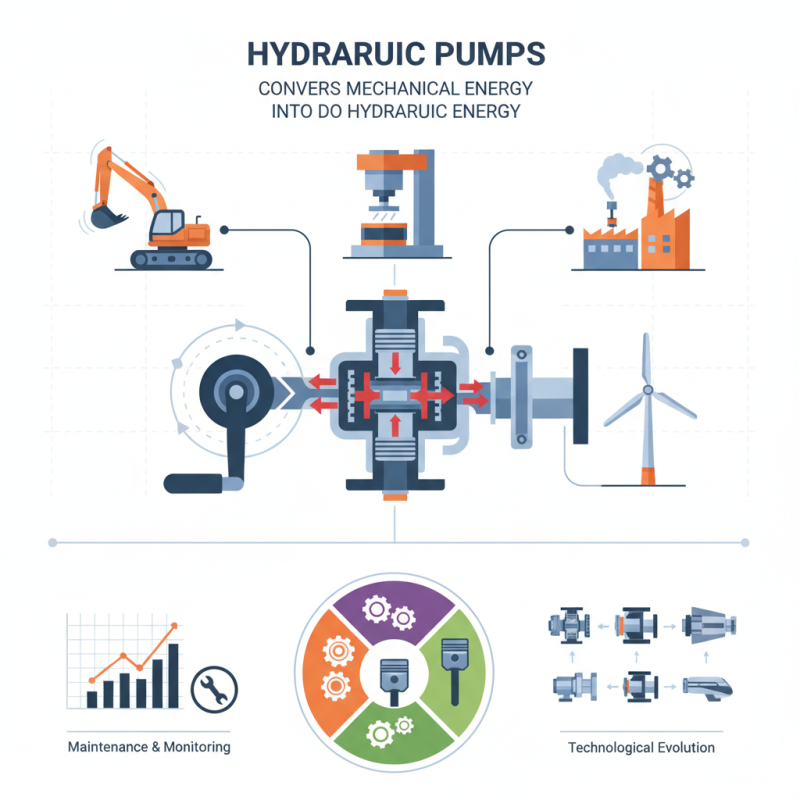
What Is a Hydraulic Pump: Definition and Purpose
A hydraulic pump is a mechanical device that converts mechanical energy into hydraulic energy. Its main purpose is to move fluids, typically oil, within a hydraulic system. This conversion powers machinery and equipment, enabling a wide range of applications. Hydraulic pumps are essential in industries like construction, manufacturing, and transportation.
Understanding the components of a hydraulic pump is crucial. It typically includes a motor, a pump body, and an outlet port. The motor generates motion, creating pressure in the pump. When the pump operates, it draws hydraulic fluid into the system and pushes it through hoses or pipes. This movement creates force that drives hydraulic cylinders or motors.
Tip: Regular maintenance of hydraulic pumps ensures longevity. Changing the hydraulic fluid at recommended intervals minimizes wear.
While hydraulic pumps are reliable, they can fail. Issues like leaks or pressure drops may occur. It's essential to check seals and connections frequently.
Tip: Monitor your hydraulic system for abnormal sounds or vibrations. Early detection can prevent costly repairs down the line.
Understanding the fundamentals of hydraulic pumps helps in troubleshooting and efficiency. However, it's vital to seek professional advice when unsure about maintenance or repairs.
Types of Hydraulic Pumps: Gear, Vane, and Piston Variants
Hydraulic pumps are essential components in many industrial applications. They convert mechanical energy into hydraulic energy. There are three main types of hydraulic pumps: gear, vane, and piston pumps. Each type has distinct characteristics and applications.
Gear pumps are known for their simplicity and durability. They use two interlocking gears to create flow. This type of pump provides a constant flow rate and is often used in low-pressure systems. A report by the International Fluid Power Society indicates that gear pumps remain popular due to their cost-effectiveness and reliability in fluid transfer.
Vane pumps, on the other hand, have moveable vanes that slide in and out of a rotor. This design allows for smoother flow compared to gear pumps. Vane pumps excel at maintaining a constant pressure. However, they may not perform well in high-pressure scenarios and can wear out faster. Market analysis shows that vane pumps are often preferred in applications requiring variable displacement.
Piston pumps, the most complex, can deliver high pressure and flow rates. They use reciprocating pistons to generate pressure. While more efficient, they are also more expensive and require precise engineering. Some industry experts recognize the need for advancements in piston pump durability, as they can suffer from mechanical wear over time. Each pump type has its unique attributes and limitations, leading to a rich landscape of choices in hydraulic systems.
The Working Principle of Hydraulic Pumps: Fluid Dynamics Explained
Hydraulic pumps play a crucial role in various applications, utilizing fluid dynamics to convert mechanical energy into hydraulic energy. These pumps can handle high pressures and enable the movement of fluids, essential for machinery in construction, manufacturing, and aerospace. According to the Hydraulic Institute, the global hydraulic pumps market is projected to reach USD 16 billion by 2026, illustrating their importance in various sectors.
Fluid dynamics is at the heart of hydraulic pump operation. When the pump is activated, it creates a vacuum, drawing fluid into the pump chamber. This process generates pressure, forcing the fluid through the system. The efficiency of this process often relies on the pump design and the properties of the hydraulic fluid used. A recent report by Frost & Sullivan highlighted that even minor inefficiencies can lead to significant energy losses. Inadequate fluid viscosity or air bubble presence can disrupt the flow, impacting system performance.
Understanding hydraulic fluid dynamics requires attention to detail and experience. Operators must monitor pump conditions regularly. Potential issues such as leakage or cavitation can arise, indicating the need for prompt maintenance. These factors emphasize the importance of establishing robust maintenance protocols to ensure optimal performance. Investing in training for operators can minimize risks associated with hydraulic systems.
What is a Hydraulic Pump and How Does it Work? - The Working Principle of Hydraulic Pumps: Fluid Dynamics Explained
| Pump Type | Application | Flow Rate (L/min) | Pressure Range (bar) | Efficiency (%) |
| Gear Pump | Machinery | 25 | 130 | 85 |
| Vane Pump | Automotive | 20 | 150 | 90 |
| Piston Pump | Industrial | 15 | 200 | 92 |
| Diaphragm Pump | Chemical Processing | 10 | 75 | 78 |
Key Applications of Hydraulic Pumps in Various Industries
Hydraulic pumps are essential in many industries, powering various applications. These pumps convert mechanical energy into hydraulic energy. In construction, hydraulic pumps operate excavators and bulldozers. The global construction equipment market is forecasted to reach $210 billion by 2026, highlighting the importance of these systems.
In manufacturing, hydraulic pumps drive machines like presses and molding equipment. According to industry reports, hydraulic systems account for up to 45% of production equipment in some factories. This reliance emphasizes the need for efficient hydraulic solutions. The automotive industry also benefits greatly, utilizing hydraulic pumps in brake systems and steering. The hydraulic market in automotive applications is expected to grow at a CAGR of 5.2% by 2025.
However, hydraulic systems do face some challenges. Issues like leaks and system failures can disrupt operations. Inadequate maintenance often leads to inefficiencies. Furthermore, operators may lack proper training, which can exacerbate problems. Improving these areas can lead to enhanced performance and reliability in hydraulic applications.
Hydraulic Pump Applications Across Industries
This chart represents the percentage of hydraulic pump applications across various industries, illustrating their critical roles in sectors such as construction, manufacturing, agriculture, and automotive.
Performance Metrics: Efficiency, Pressure Ratings, and Flow Rates
Hydraulic pumps are critical components in various industries, providing the necessary power to operate hydraulic systems. Understanding their performance metrics—efficiency, pressure ratings, and flow rates—ensures optimal operation. Efficiency of hydraulic pumps typically ranges from 70% to 90%. High efficiency not only reduces energy costs but also extends the pump's lifespan.
Pressure ratings highlight a pump's ability to handle load. Most hydraulic pumps operate within a pressure range of 1,000 to 6,000 PSI. Exceeding these ratings can lead to pump failure, posing safety risks. Regularly monitoring pressure levels can prevent costly downtime.
Flow rates, measured in gallons per minute (GPM), are crucial for determining a pump’s suitability for tasks. Standard hydraulic pumps offer flow rates from 5 GPM to over 200 GPM. Choosing the right flow rate based on application needs optimizes system performance.
**Tip:** When selecting a pump, calculate the required flow and pressure beforehand. This prevents misapplication and inefficiency.
**Tip:** Regular maintenance is vital. Inspect seals and connections often to detect leaks early.
Performance metrics may vary based on brands and models. Always consult manufacturer guidelines for precise information. Understanding these metrics can significantly influence operational success.