
What Is a Parking Lock and How Does It Work?

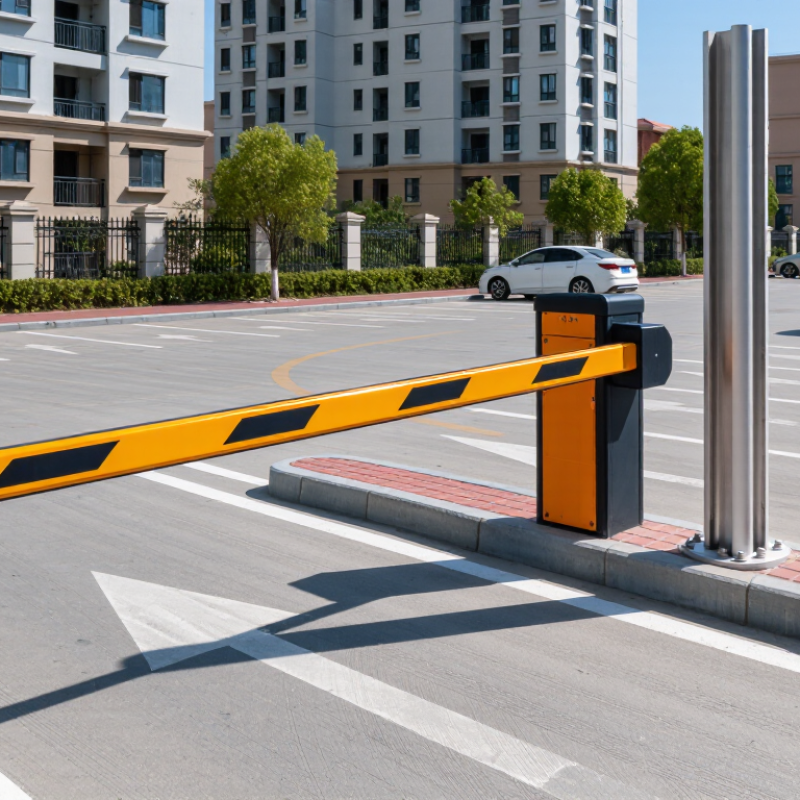
A Parking Lock is a compact barrier fitted to a parking space to discourage unauthorized vehicles from entering it. You may see one bolted into a driveway, apartment car park, or private lot. When lowered, its metal arm or central plate sits close to the ground, allowing a vehicle to pass over it. When raised, it blocks the space. Simple idea.

The mechanism varies by model. Manual locks usually fold down by hand and secure with a key. Automatic versions use an electric motor, often controlled by a remote, keypad, or phone app. Their power may come from a rechargeable battery, a solar panel, or a fixed electrical connection. Press the control, and the barrier rises or lowers. Some designs include obstacle sensors, but their presence and performance are not universal. Check the product specifications.

Installation and upkeep affect how well a lock works. The surface must support its anchors, and the moving parts need room to operate without hitting a vehicle’s bumper or undercarriage. A weak battery, loose fixing, or debris around the hinge can cause trouble. Annoying, but real. A parking lock can help protect a space; it cannot guarantee that nobody will tamper with it or that every vehicle will stop in time. Before choosing one, consider the space’s surface, daily use, weather exposure, and access needs. Those details sound minor. They often decide whether the lock is practical or just frustrating.
What Is a Parking Lock and How Does It Work?

Definition and Purpose of a Parking Lock

A parking lock is a small barrier installed on a parking space to discourage unauthorized vehicles from entering or staying there. It usually has a hinged arm that rises across the space and folds down when access is needed. Some models are operated by hand; others use a motor and remote control. The exact design varies, but the purpose is simple: make a space visibly harder to use without permission. It can help manage a private driveway, assigned stall, or limited-use parking area.

A parking lock is a deterrent, not a complete security system. Its strength depends on the materials, installation, and condition of the surface beneath it. A loose anchor or worn hinge may reduce its usefulness. The name can sound more protective than it is, so it is worth considering what risks the device can realistically address. It also needs clear visibility to reduce the chance of someone tripping over a raised arm.

Tips: Check that the lock fits the space and can fold fully out of the way. Keep the hinge and moving parts clean, and inspect the fixings occasionally. Test it before relying on it. A quick check can catch a problem early.

What Is a Parking Lock and How Does It Work?

A parking lock is a physical barrier installed in a parking space. In the raised position, it helps prevent unauthorized vehicles from entering; when lowered, it allows a vehicle to pass. Depending on the model, the lock may be operated manually or by a powered mechanism.

Main Components and Common Types

A parking lock is a compact barrier that helps reserve a vehicle space. Its main parts are a ground-mounted base, a movable arm, and a locking mechanism. The base transfers force into the pavement. The arm usually pivots between a raised position and a flat position. In electric models, a motor and battery move the arm after a remote or keypad command. Sensors may stop movement when an obstacle is detected, though sensor performance varies.

Common types include manual, electric, and hydraulic locks. A manual model is lifted and secured by hand, making it simple but less convenient in rain or cold weather. Electric locks offer remote operation and suit frequent use, but batteries need checking. Hydraulic versions use fluid pressure to move the arm and may require more maintenance. The best choice depends on surface strength, traffic, and access needs. Even a sturdy lock can wobble if its anchors loosen; that detail is easy to overlook.

Tips: Keep the arm’s path clear of stones and ice. Check bolts and battery condition regularly. If movement becomes uneven, stop using it until the mechanism is inspected.

How a Parking Lock Operates

A parking lock works by physically reserving a space with a movable arm. In a common powered design, a motor raises the arm after the vehicle leaves. The driver then activates it with a remote control, keypad, or authorized access device. A receiver sends the command to a control unit, which drives the motor and locks the arm upright. Some models use sensors to detect a vehicle or obstruction; others rely on the user to check the area. Details vary by design.

Power may come from a rechargeable battery or a fixed electrical connection. When the arm is lowered, a vehicle can enter the space; when raised, its steel bar blocks entry. It sounds simple. It isn’t always. The 2017 Parking Pain study estimated that U.S. drivers spent 17 hours a year searching for parking, with related costs of about $345 per driver. That figure gives useful context, but it does not prove a lock will prevent every parking dispute. Users should inspect the arm’s movement, keep the mechanism clear of grit and standing water, and check how the unit behaves if power fails. A manual release can help, though its location is easy to overlook.

Power Sources, Controls, and Safety Features

A parking lock is a powered barrier that raises an arm to reserve a space and lowers it for an authorized vehicle. Common power options include mains electricity, rechargeable batteries, and solar-assisted charging. Battery models avoid trenching power cables, but cold weather and frequent operation can shorten the time between charges. That matters outdoors. Controls may include a remote, keypad, phone app, or connection to a site access system. A manual release is useful when power fails, though it can be awkward to reach in rain or darkness.

Safety depends on more than the motor. Look for obstacle detection, automatic stop or reverse, visible warning lights, and reflective surfaces; features vary by model, so verify the actual specification. For outdoor units, an IP rating helps describe protection from dust and water. Under IEC 60529, IP54 means dust protection and resistance to water splashing from any direction. Small details matter. Placement matters too: the U.S. Access Board’s 2010 ADA Standards specify an access aisle at least 60 inches wide for accessible parking spaces (§502.3.1). A barrier should not block that space or create a hidden trip hazard. Even a well-designed lock can be poorly placed; checking its movement path on site is worth the extra minute.

What Is a Parking Lock and How Does It Work? - Power Sources, Controls, and Safety Features

Parking Lock Setup Power Source How It Operates Typical Controls Safety and Practical Considerations
Manual folding lock No electrical power; operated by hand. The user raises or lowers a barrier arm and secures it with an integrated or separate key lock. Physical key and manual operation. Check that the arm is fully secured in the intended position. The user must leave the vehicle to operate it.
Battery-powered automatic lock Rechargeable or replaceable battery, depending on the model. An electric motor moves the barrier between its raised and lowered positions. Battery condition affects availability. Often a remote control, keypad, or compatible access system; features vary by model. Some models include obstruction detection or an audible alert. These features are not universal; check the product specification and keep the battery charged.
Mains-powered automatic lock Connection to a suitable electrical supply, installed in accordance with local requirements. A motor raises or lowers the barrier when the controller receives an authorized command. May use a remote, keypad, card reader, or access-control system. Installation should account for electrical safety and outdoor exposure. A backup or manual release may be available but is model-dependent.
Solar-assisted battery lock A solar panel can recharge or supplement a battery; available charging depends on sunlight and system design. The battery powers the motor, while the solar panel provides charging support where fitted. Typically uses the same types of controls as other automatic models, subject to compatibility. Panel placement, shading, weather, and usage can affect charging. Confirm battery status and follow the maker’s maintenance instructions.
Shared safety checks Depends on whether the lock is manual, battery-powered, mains-powered, or solar-assisted. The barrier blocks or restricts access to a parking space when raised and allows access when lowered. Use only authorized controls and keep any keys or access codes secure. Keep people, pets, and vehicle parts clear while the barrier moves. Make the lock visible, check vehicle clearance, and never assume an automatic lock has obstruction protection unless its documentation confirms it.

Typical Uses and Installation Considerations

A parking lock is most useful where access needs to be reserved: a home driveway, an apartment’s assigned bay, or a small workplace lot. The need is practical. The U.S. Census Bureau’s 2022 American Community Survey reports that about 69% of workers drove alone to work, making dependable parking important at many job sites. A lock raises a barrier when a space is vacant and folds down for an authorized vehicle. It is a deterrent, not a guarantee.

Installation deserves more attention than the device’s simple shape suggests. Check the surface, slope, drainage, and the vehicle’s turning path before fixing the base. On concrete, confirm its thickness and condition; on asphalt or paving, the anchor method may need adjustment. A unit placed too close to a wall can scrape a bumper. Too near a pedestrian route, it can become a trip hazard. Measure twice.

For shared or accessible parking, keep the lock outside required access routes and ensure it does not obstruct emergency or maintenance work. The U.S. Access Board’s ADA Standards specify a 36-inch minimum clear width for many accessible routes, though site layouts and other requirements can affect the usable space. Follow the device’s installation instructions and have a qualified installer assess uncertain surfaces. Small detail, real consequence. Even a correctly fitted lock can frustrate users if the release is stiff or its position is unclear. Test it with the actual vehicle, in daylight and after dark.

keep me informed

Subscribe

By clicking SEND means that you agree to our Terms & Conditions, Privacy and Cookie Policies.