What is a Photovoltaic Bracket and How Does It Work?
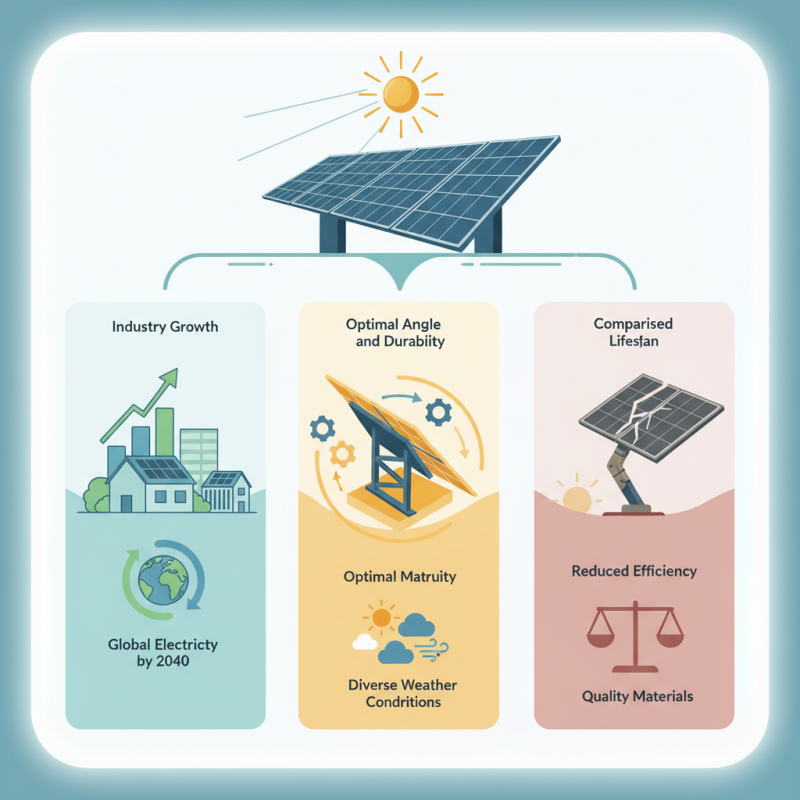
The solar energy industry is growing rapidly, valued at over $162 billion in 2020. A significant part of this growth comes from the use of photonic technologies. A key component in solar systems is the Photovoltaic Bracket. This device supports solar panels and ensures optimal angle and durability. Its design can greatly influence the efficiency of solar energy capture.
In recent years, adoption of solar technology has surged. Many homeowners and businesses are seeking sustainable energy solutions. According to a report by IRENA, solar power could generate over 20% of global electricity by 2040. The Photovoltaic Bracket plays a crucial role in this area by enhancing stability and performance under diverse weather conditions.
However, while these brackets are innovative, they are not without challenges. Poor installation can lead to misalignment, causing reduced efficiency. Additionally, lower-quality materials can compromise the lifespan of the system. Not all brackets are created equal, and understanding their function is essential for maximizing solar panel investment.
What is a Photovoltaic Bracket? An Overview of Its Definition
A photovoltaic bracket is a crucial component in solar energy systems. It serves as the support structure for solar panels, allowing them to capture sunlight efficiently. These brackets can be fixed or adjustable, depending on the space and direction of sunlight. Typically made from materials like aluminum or steel, their strength ensures stability in various weather conditions.
According to a report by the International Renewable Energy Agency (IRENA), the solar sector has grown significantly, with global solar capacity increasing by over 22% in 2020 alone. Effective use of photovoltaic brackets is essential for optimizing this growth. They not only enhance installation efficiency but also prolong the lifecycle of solar panels by reducing wear and tear.
**Tip:** When selecting brackets, consider the local climate. Regions with high wind speeds or heavy snowfall require more robust solutions.
Further studies estimate that the installation of proper photovoltaic systems can reduce electricity bills by 70% over time. This potential cost-saving underlines the importance of quality brackets in the overall solar setup. While many may overlook brackets, they play a foundational role in harnessing solar energy effectively.
**Tip:** Invest in quality brackets, even if they come at a higher upfront cost. The long-term savings can be significant.
Photovoltaic Bracket Efficiency Comparison
This chart compares the efficiency percentages of different types of photovoltaic brackets, showcasing how adjustable and tracking brackets can enhance energy capture compared to fixed brackets.
The Functionality of Photovoltaic Brackets in Solar Energy Systems
Photovoltaic brackets play a crucial role in solar energy systems. These components are designed to securely hold solar panels in place, ensuring optimal performance. Proper installation can enhance energy efficiency significantly. According to a report by the International Renewable Energy Agency, around 20% of energy losses can occur from improper mounting.
An effective photovoltaic bracket ensures that solar panels are tilted correctly. This angle optimizes sunlight absorption. A study indicated that panels tilted at optimal angles can increase output by up to 25%. Additionally, these brackets must withstand various weather conditions. Extreme winds or heavy snow can compromise panel stability. Regular inspection of brackets is necessary to avoid potential failures.
However, not all brackets are created equal. Certain materials may corrode over time. This can lead to structural weaknesses. Experts suggest using high-quality aluminum or stainless steel to improve longevity. Despite advancements, some installations still face challenges. Poor site assessments can result in improper placements. The necessity for ongoing research and development is clear.
Materials and Design Considerations for Photovoltaic Brackets
Photovoltaic brackets play a vital role in solar installations. They securely hold solar panels in place. The design and materials of these brackets significantly impact their effectiveness and longevity. Aluminum and stainless steel are popular choices, as they resist corrosion and provide strength. However, not all metals are equal. Some can corrode faster in coastal areas, requiring careful selection.
In terms of design, brackets must accommodate various panel sizes and angles. They should allow for expansion and contraction due to temperature changes. This is often overlooked during installations. Poor fitting can lead to damage or reduced efficiency. Also, aesthetics matter. A well-designed bracket enhances the overall appearance of solar installations. Yet, functionality should not be sacrificed for looks.
The installation process must consider mounting surface types. Roofs can differ in material and slope. Each surface presents unique challenges. Additionally, local weather conditions impact bracket performance. Strong winds can dislocate improperly secured brackets. Overlooking these factors can lead to costly repairs. Understanding these elements is essential for any photovoltaic project.
Industry Standards and Compliance for Photovoltaic Bracket Installation
Photovoltaic brackets are essential for solar panel installation. They provide the necessary support and alignment for panels, ensuring optimal sunlight absorption. Industry standards dictate their design and installation for safety and efficiency. Compliance with these standards is critical to avoid structural failures and potential hazards.
According to a report by the National Renewable Energy Laboratory, improper installation can lead to energy losses of up to 30%. Guidelines from the American Society of Civil Engineers highlight the importance of load-bearing capacities in bracket selection. If brackets cannot support the panels during extreme weather, the entire system fails.
Challenges often arise during installation. Misalignment can create stress points on the panels. This issue may lead to shorter lifespans or even damage. Ensuring proper installation requires diligent adherence to industry standards. Regular training and certifications for installers can address these challenges. This investment can mitigate long-term risks and enhance system performance.
What is a Photovoltaic Bracket and How Does It Work? - Industry Standards and Compliance for Photovoltaic Bracket Installation
| Feature | Description | Industry Standards | Compliance Requirements |
| Material | Typically made of aluminum or steel for durability and corrosion resistance. | ISO 9001 for quality management systems. | Must meet local building codes and safety regulations. |
| Load Capacity | Designed to support specific weight loads of solar panels. | IEC 61215 for photovoltaic modules performance. | Installation must conform to engineering specifications. |
| Installation Type | Can be roof-mounted, ground-mounted, or pole-mounted. | UL 2703 for mounting systems safety and performance. | Must follow manufacturer guidelines and local regulations. |
| Adjustment Features | Some brackets allow angle adjustment for optimal sunlight exposure. | ASCE 7 for structural loads. | Adherence to safety standards for adjustable mechanisms. |
| Corrosion Resistance | Protected with coatings or materials that resist weathering. | ASTM B117 for salt spray testing. | Regular inspections to ensure compliance with corrosion standards. |
Impact of Photovoltaic Brackets on Solar System Efficiency and Longevity
Photovoltaic brackets play a crucial role in solar energy systems. They provide support and orientation to solar panels. The efficiency of a solar system hinges on the correct installation and positioning of these brackets. An optimal angle allows for maximum sunlight capture. This can significantly enhance energy production.
For those considering solar installation, it's essential to choose the right brackets. They can impact system longevity, too. If brackets are poorly installed, panels might shift or become damaged. This could lead to costly repairs. Proper installation ensures that your investment lasts longer.
Tips: Ensure your brackets are made from durable materials. Regularly check for rust or wear. This simple maintenance can save you money down the line. Remember, sometimes opting for cheaper options can lead to regret. Prioritize quality for long-term benefits.