
What Is Steel Casing Pipe Used For?

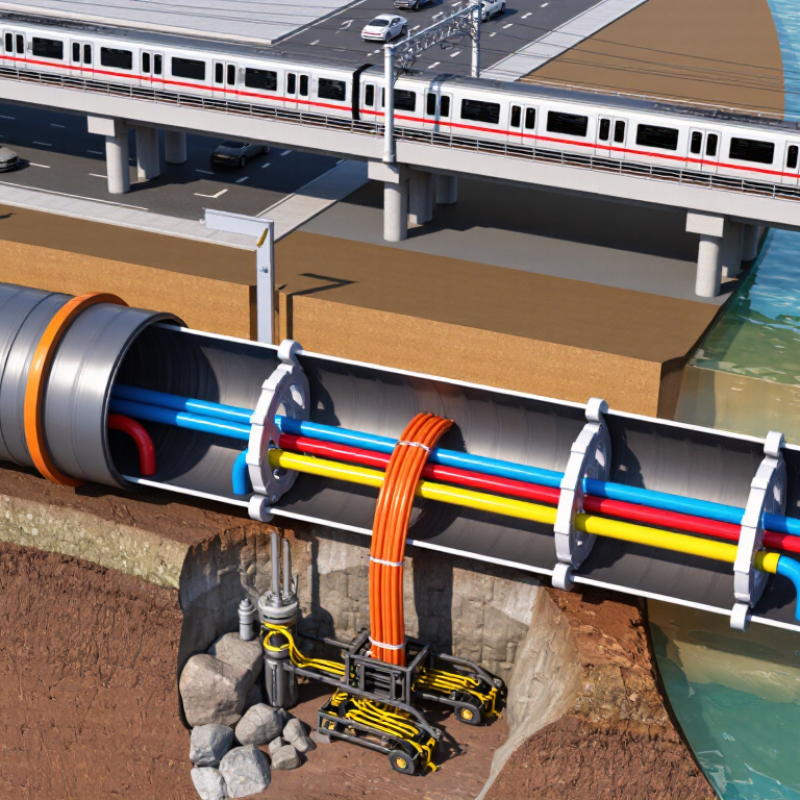
What Is Steel Casing Pipe Used For? This question matters wherever underground infrastructure must cross roads, railways, waterways, or busy public areas. Steel Casing Pipe creates a strong protective passage for water lines, gas mains, electrical conduits, fiber-optic cables, and other utility carriers. It is commonly installed by jacking, boring, or tunneling, reducing the need to excavate the entire surface.

Trenchless technology expert Dr. Sam Ariaratnam offers a practical reminder: “Choose the trenchless method for the ground, not the other way around.” The principle also applies to casing selection. Soil type, groundwater, traffic loads, installation length, pipe diameter, and future maintenance all influence the design. A casing beneath a highway may experience repeated vibration and heavy surface pressure. Its wall thickness and alignment must handle these conditions safely.

The casing also provides separation between the carrier pipe and surrounding soil. Proper spacers, end seals, coatings, and grout can limit movement, moisture entry, and corrosion. Still, Steel Casing Pipe is not a universal answer. A casing can appear oversized yet fail if installation tolerances are ignored. That detail is easy to miss. Engineers should review local standards, load calculations, welding quality, and site records before approving the design. This introduction examines the main uses, installation methods, advantages, and limitations of Steel Casing Pipe in practical infrastructure projects.
What Is Steel Casing Pipe Used For?

What Is Steel Casing Pipe?

What Is Steel Casing Pipe?

Steel casing pipe is a hollow, heavy-wall tube installed inside a drilled opening. It stabilizes weak soil and fractured rock. It also separates underground layers and protects the inner production pipe. In practical work, casing is not simply a larger pipe. Its wall thickness, steel grade, connection type, and corrosion allowance must match the site.

A drilling crew may run casing for water wells, oil and gas wells, geothermal systems, and underground utility crossings. In a water well, it prevents loose sand from entering the borehole. In an energy well, it helps isolate pressure zones and supports cement placement. The 2022 UNESCO World Water Development Report states that groundwater supplies nearly half of global drinking water. That dependence makes casing quality a public-safety concern, not just a construction detail.

Standards and Selection Considerations

Standards guide selection. API Specification 5CT covers casing and tubing used in petroleum and natural gas wells, while ASTM A252 addresses welded steel pipe piles. Engineers commonly check collapse pressure, tensile load, burst resistance, weld quality, and corrosion exposure. The World Steel Association reported about 1.88 billion metric tons of crude steel production in 2023, showing the scale of the material supply behind these applications. Yet a large steel market does not guarantee a suitable casing pipe. Soil chemistry, drilling depth, temperature, and installation damage can change the result. That is where specifications sometimes look cleaner than reality.

How Steel Casing Pipe Supports and Protects Underground Utilities

What Is Steel Casing Pipe Used For?

Steel casing pipe supports and protects underground utilities where roads, railways, waterways, or heavy construction create serious external risks. It forms a strong outer tunnel around water, gas, electrical, or communication lines. The carrier pipe remains separated from traffic loads, shifting soil, and accidental excavation. During installation, a sealed casing end can also limit soil movement and reduce water entry.

The scale of aging infrastructure makes this protection practical. ASCE’s 2021 Infrastructure Report Card identifies approximately 2.2 million miles of underground water pipelines in the United States. The report also estimates nearly 6 billion gallons of treated water are lost daily. EPA’s 2023 Drinking Water Infrastructure Needs Survey estimates $625 billion in drinking-water investment needs over 20 years. A protected crossing cannot solve every failure, but it can reduce exposure at vulnerable locations.

Field details matter. Engineers typically review casing diameter, wall thickness, soil loads, groundwater, and future maintenance access. Spacers keep the carrier pipe centered, while end seals help prevent sediment from entering the annular space. Poor drainage remains a weakness. Corrosion can develop where moisture stays trapped, especially when coatings or seals are damaged. Casing is not a cure-all. It needs inspection, suitable materials, and careful installation records. A small alignment error can complicate repairs years later.

What Is Steel Casing Pipe Used For? - How Steel Casing Pipe Supports and Protects Underground Utilities
Common Applications, Protective Functions, and Design Considerations
Underground Utility or Application How the Casing Supports the Utility Primary Protection Provided Common Installation Methods Typical Casing Characteristics Important Design Considerations
Water and sewer pipelines Creates a structural sleeve around the carrier pipe where the utility passes beneath roads, railways, or other restricted areas. Reduces the risk of damage from traffic loads, future excavation, ground movement, and contact with surrounding soil. Jack-and-bore, guided boring, horizontal directional drilling, or open-cut installation. Large enough to provide clearance around the carrier pipe; often supplied in welded steel sections for field joining. Allow space for installation, alignment, carrier-pipe supports, drainage, and future maintenance access where required.
Gas distribution and transmission lines Provides a protective barrier at selected crossings and helps maintain separation from transportation corridors and other utilities. Limits damage from external impact, construction activity, and localized ground loading. Trenchless boring or open-cut construction, subject to the project and regulatory requirements. Carbon-steel casing with a diameter larger than the gas carrier pipe; the carrier is normally isolated from the casing. Design must address corrosion control, electrical isolation, venting where required, and safe access for inspection.
Electrical power conduits Encloses conduit banks or individual ducts and provides a robust route through areas exposed to heavy loading. Protects conduits from crushing, impact, soil pressure, and accidental excavation. Open cut, pipe jacking, auger boring, or horizontal directional drilling. May use a single large casing for multiple conduits or separate casings for individual conduit groups. Maintain required separation, heat dissipation, pulling tension limits, bend-radius requirements, and access for cable replacement.
Telecommunications and fiber-optic routes Protects communication ducts and helps maintain a continuous pathway beneath roads, sidewalks, and rail lines. Reduces the likelihood of duct deformation, impact damage, and service interruption caused by excavation or settlement. Directional drilling, pipe jacking, microtunneling, or open-cut installation. Typically sized to allow the duct assembly to be installed without excessive pulling force or sharp deflection. Consider bend radius, pulling or bursting loads, water ingress, spare capacity, and detectable marker systems.
Road and highway crossings Transfers external loads around a buried utility and provides a defined crossing beneath vehicle traffic. Protects the carrier from pavement loads, road maintenance, resurfacing, and unplanned excavation. Auger boring, jack-and-bore, pipe ramming, or open-cut installation. Wall thickness and diameter are selected according to burial depth, soil conditions, construction loads, and crossing length. Evaluate traffic loading, settlement, casing deflection, alignment tolerances, end seals, and drainage provisions.
Railway crossings Forms a continuous protective tunnel that allows the utility to pass beneath the track structure with minimal surface disturbance. Protects against heavy dynamic loads, vibration, maintenance work, and accidental contact with railway infrastructure. Microtunneling, controlled boring, pipe jacking, or other approved trenchless methods. Usually requires careful control of line, grade, settlement, and casing strength during installation. Coordinate with the rail authority and assess vibration, allowable settlement, drainage, emergency access, and monitoring requirements.
Utility crossings beneath waterways Provides a protective envelope for pipelines or conduits installed below rivers, channels, and drainage features. Helps resist external impact, scour-related exposure, installation damage, and future channel maintenance activities. Horizontal directional drilling, guided boring, or trenching with engineered backfill and protection. May require increased wall thickness, external coating, concrete weight coating, or additional stabilization measures. Assess scour depth, buoyancy, groundwater, hydraulic conditions, corrosion exposure, and environmental restrictions.
Vertical utility risers and shafts Supports and shields a utility where it passes through foundations, slabs, retaining walls, or other structures. Limits mechanical damage, abrasion, soil contact, and movement at structural penetrations. Cast-in-place installation, core-drilled placement, excavation, or prefabricated structural assembly. May include welded collars, sleeves, seals, or connection details designed for the surrounding structure. Coordinate waterproofing, fire stopping where applicable, structural movement, corrosion protection, and pipe expansion.
Temporary construction protection Acts as a sacrificial or removable sleeve while a carrier pipe, cable, or conduit is installed through an active work zone. Protects utilities from construction equipment, temporary loads, rock contact, and unstable excavation conditions. Open cut, temporary shoring systems, pipe ramming, or trenchless installation. Selection is based on expected construction loads, duration, handling requirements, and whether removal is planned. Inspect for deformation, provide secure end treatment, and confirm that the temporary casing does not restrict utility operation.
Abandoned or redundant utility protection Can provide a stable enclosure for an existing utility that cannot be removed or is intended to remain isolated. Reduces exposure to future excavation, settlement, corrosion-related debris, and accidental damage. Open cut, slip-lining, localized excavation, or trenchless rehabilitation methods. May use a new steel sleeve around the existing line, subject to access and clearance limitations. Confirm ownership, isolation, residual contents, structural condition, groundwater control, and long-term corrosion behavior.
General engineering note: Casing diameter, wall thickness, steel grade, coating system, joint design, and installation method must be determined from project-specific soil conditions, loads, depth, utility requirements, corrosion exposure, and applicable local regulations. Steel casing pipe is generally a protective sleeve rather than the pressure-carrying pipe itself.

Where Steel Casing Pipe Is Commonly Used

What Is Steel Casing Pipe Used For?

Steel casing pipe is commonly used where underground utilities cross roads, railways, waterways, and airport access routes. It creates a strong sleeve around water lines, gas lines, communication ducts, or electrical conduits. The casing absorbs external loads from traffic and soil. It also reduces the risk of crushing during trenchless installation.

Highway projects often use steel casing beneath busy pavements. This method limits surface excavation, traffic disruption, and restoration work. Federal highway utility guidance identifies casing as a practical protection method for challenging crossings. The scale of buried infrastructure makes this important. The American Water Works Association estimates that United States drinking-water systems may require about 1 trillion dollars in investment over 25 years, according to Buried No Longer. Many replacement projects need safer crossing details, not only larger pipes.

Steel casing is also common around groundwater wells, industrial sites, and pipeline crossings. In a well, the casing supports the borehole wall and helps separate underground formations. Thickness, diameter, coating, and end seals depend on soil pressure, groundwater chemistry, and installation depth. Engineers normally check buckling and corrosion allowances before specifying it. A small mistake matters.

Casing is not a universal fix. Poor grouting can leave voids, while trapped water may accelerate corrosion. Field inspection, accurate alignment, and documented welding records remain essential. The American Society of Civil Engineers rated U.S. drinking-water infrastructure C-minus in its 2021 Infrastructure Report Card, showing how maintenance decisions still deserve careful review.

What Is Steel Casing Pipe Used For?

Steel casing pipe is commonly installed to protect carrier pipes, cables, and underground structures from traffic loads, soil movement, corrosion, and construction damage. The chart shows representative outside diameters commonly specified for major applications.

Typical outside diameters are shown in inches. Actual casing size depends on carrier-pipe dimensions, installation method, soil conditions, loading requirements, and project specifications.

Which Types of Steel Casing Pipe Fit Different Applications

What Is Steel Casing Pipe Used For?

Steel casing pipe supports, protects, and stabilizes drilled or buried structures. Its best type depends on ground conditions, loads, depth, and the working environment. Choosing by diameter alone is risky.

For water wells, casing keeps loose soil and gravel from collapsing into the borehole. Welded steel casing suits many standard wells because it offers practical strength and consistent dimensions. In deeper or highly stressed wells, heavier wall sections may provide better resistance to buckling. Corrosion-resistant grades are useful where groundwater contains salts or aggressive minerals.

Foundation projects often use structural casing to guide piles through unstable soil. It can protect reinforcement and help maintain a clean bore during concrete placement. Large-diameter casing is common near bridges, towers, and heavy industrial structures. Temporary casing may be removed after placement, while permanent casing remains part of the foundation system.

Utility crossings require another approach. Casing can shield gas, water, or communication lines beneath roads and railways. Thicker walls may withstand traffic loads and installation pressure. Seamless pipe offers reliable uniformity, while welded pipe can provide cost advantages in larger sizes. Actual suitability depends on welding quality, coating, soil chemistry, and local engineering requirements. A perfect choice on paper may still perform poorly after installation. Site testing and qualified inspection matter.

How to Select Steel Casing Pipe for a Project

What Is Steel Casing Pipe Used For?

Selecting steel casing pipe begins with the load, not the catalog. It protects water lines, gas lines, cables, and drilled wells from soil pressure, traffic, vibration, and accidental excavation. For road or rail crossings, engineers often install casing by jacking or boring. The casing must have enough internal clearance for the carrier pipe, spacers, and future movement.

Start with site evidence. Review soil reports, groundwater chemistry, traffic loads, installation length, and expected operating life. Then specify outside diameter, wall thickness, steel grade, end preparation, and corrosion protection. API Specification 5CT provides widely used requirements for oilwell casing dimensions, grades, and testing. For civil crossings, the Federal Highway Administration’s Steel Pipe—A Guide for Design and Construction highlights structural checks during handling, installation, and service.

The selection should also reflect project scale. The U.S. Environmental Protection Agency’s 2023 Drinking Water Infrastructure Needs Survey estimates $625 billion in national needs over twenty years. That figure shows why service life and maintainability deserve early attention. A thinner wall may reduce initial cost. It may also increase denting and corrosion risk. That trade-off is easy to miss.

Measure twice.

For corrosive soil, engineers may add a corrosion allowance or use external coatings. Cathodic protection can require additional design review. Field tolerances matter too. A casing that fits on paper may fail when welds, bends, or groundwater are ignored. Independent inspection, mill certificates, weld records, and pressure or dimensional checks improve reliability. Yet no standard replaces a project-specific calculation. That is where many specifications remain imperfect.

keep me informed

Subscribe

By clicking SEND means that you agree to our Terms & Conditions, Privacy and Cookie Policies.