Essential Tips for Choosing the Right Golf Battery?
Choosing the right Golf Battery is crucial for any golfer looking to enhance their experience on the course. According to John Smith, a well-respected expert in the golf equipment industry, "The right battery can make or break your game." This statement underscores the importance of understanding the technical specifications of a golf battery.
Golf batteries come in various types and sizes. Each one is designed to meet different needs. You might be tempted to choose the cheapest option available. However, this could lead to underperformance and frustration. For instance, a lightweight lithium battery may be ideal for one golfer, while another may require the reliability of a traditional lead-acid battery.
Understanding these differences is essential. Look for features like capacity, weight, and lifespan. Research brands with a solid reputation in the industry. Remember, investing time in choosing the right golf battery can lead to a more enjoyable day on the greens.
Understanding Different Types of Golf Batteries Available in the Market
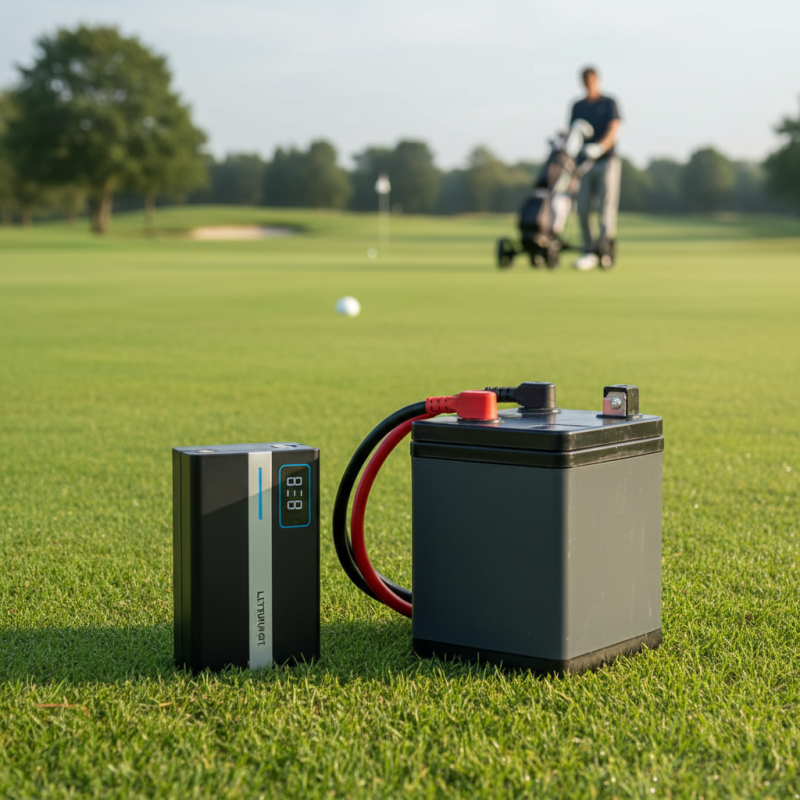
When choosing the right golf battery, it's essential to understand the different types available. Lead-acid batteries are common and budget-friendly. They provide reliable power but are heavy and require regular maintenance. If you are looking for a lightweight option, lithium-ion batteries are becoming popular. These are more expensive but offer longer lifespans and faster charging times.
Another consideration is deep-cycle batteries. These can be discharged and recharged repeatedly without damaging the battery. For golf carts, this is especially beneficial as they often undergo heavy usage. Gel batteries are another option, known for their durability and resistance to extreme conditions. However, they typically cost more and may pose challenges if you need to replace them.
Think about your specific needs. Length of play, cart storage, and frequency of use all come into play. Analyze where you will use the golf battery most. This can guide you to find the best fit for your situation. While it can be overwhelming, doing research and weighing these options can help clarify which battery type suits you best.
Comparison of Different Types of Golf Batteries
Key Factors to Consider When Selecting a Golf Battery
Choosing the right golf battery is crucial for an enjoyable game. Several factors come into play when selecting one. Voltage is essential. Most golf carts use 6, 8, or 12-volt batteries. Determine the voltage your cart needs before making a purchase.
Battery capacity is another key factor. It refers to how long the battery can power your cart. Look for a higher amp-hour rating for longer duration. Consider how often you play. If you play frequently, investing in a high-capacity battery makes sense.
Tips: Always check the warranty. A longer warranty can indicate better quality. Inspect the battery's weight, as heavier batteries often possess more power. Lastly, consult experts or enthusiasts. Their experience can guide your choice. Remember, make informed decisions. Balancing cost and quality is crucial in finding the right golf battery.
Evaluating Battery Capacity and Performance for Your Needs
When selecting the right golf battery, understanding its capacity and performance is crucial. Battery capacity is usually measured in amp-hours (Ah). A higher Ah rating means the battery can power your golf cart for longer periods. For average users, a 105Ah battery often suffices, providing ample run time for an 18-hole round. However, avid golfers might need more capacity for multiple rounds or hilly courses.
Evaluating performance involves considering discharge rates too. Golf batteries must handle continuous use without excessive voltage drops. Look for batteries with a consistent output to ensure your cart operates efficiently. Reflect on your battery life experiences; if you've faced breakdowns, it may be time to reassess your choice. Consider how often you play and your typical course conditions.
Also, the weight of the battery can impact your cart's handling. Heavier batteries can weigh down the vehicle, affecting speed and agility. Sometimes, it’s wise to sacrifice some extra weight for better performance if you frequently navigate rough terrain. Ultimately, the right battery is a balance between capacity, performance, and your golfing habits.
Assessing Battery Lifespan and Warranty Options
When choosing a golf battery, considering lifespan and warranty is crucial. A battery may cost less upfront but could fail sooner, leading to additional expenses. Look for batteries with proven longevity. Some models can last for several years, depending on usage and care. It's essential to assess how often you'll be out on the course. More frequent play places higher demands on the battery.
Warranty options can reveal a lot about the product's reliability. A longer warranty often indicates confidence from the manufacturer. Some brands offer warranties that cover defects for up to five years. However, read the fine print. Not all warranties cover everything. Misuse or environmental factors might void the warranty.
It's easy to assume that all batteries are similar, but they are not. Varying technologies can lead to different performances. Also, reflection on your golf habits may help. If you're a weekend player, a different battery type might suit you than for a daily player. Understanding your needs will create a more satisfying experience on the course.
Maintenance Tips for Prolonging the Life of Your Golf Battery
Maintaining your golf battery is crucial for a seamless golfing experience. Regular maintenance can extend its lifespan significantly. Start by checking the water levels consistently. Low water can lead to heat buildup and damage. Always use distilled water, as tap water can introduce impurities.
Clean the battery terminals to prevent corrosion. A simple mixture of baking soda and water can do wonders. Apply it gently and rinse with clean water. Dry thoroughly afterward. It's important to inspect the battery for any signs of wear or leakage. Addressing these issues early can save you from bigger problems later.
Additionally, if your battery is often exposed to extreme temperatures, consider storing it in a cooler environment. Temperature extremes can shorten its lifespan. Lastly, avoid leaving the battery discharged for prolonged periods. This habit can cause irreversible damage.
Taking these steps may seem tedious, but they are vital for your battery’s longevity and reliability on the course.