Essential Tips for Choosing the Right Pneumatic Ball Valve?
Choosing the right pneumatic ball valve can significantly impact operational efficiency. According to industry reports, nearly 65% of valve failures stem from improper selection. This highlights the necessity of understanding the specific needs of your application. A well-chosen pneumatic ball valve ensures reliability in operations, especially in industries like oil and gas and chemical processing.
When selecting a pneumatic ball valve, consider flow rates and pressure ratings. These factors dictate the valve’s performance. Studies show that 30% of users overlook these critical specifications. This often leads to unexpected failures or maintenance costs. Manufacturers recommend evaluating materials, as compatibility with fluids is essential for longevity.
Furthermore, installation plays a crucial role in valve performance. Issues arise when installation guidelines are disregarded. Many professionals lack comprehensive training in valve installation, which can result in inefficiencies. The right choice demands careful consideration of design, materials, and installation practices. This makes the selection process both an art and a science.
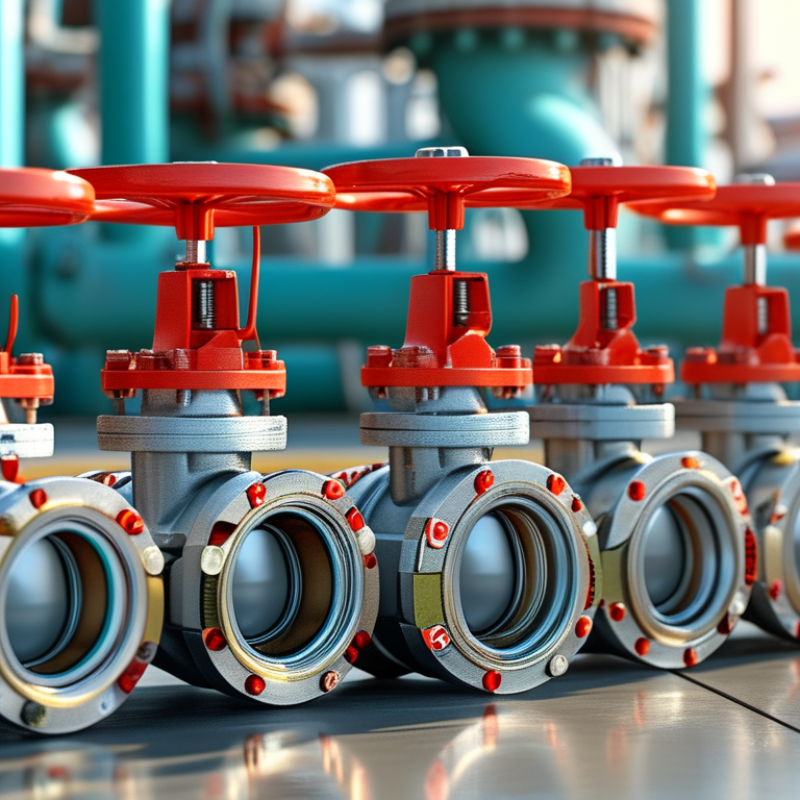
Understanding Pneumatic Ball Valves and Their Applications
Pneumatic ball valves are essential in many mechanical systems. They use compressed air to control the flow of fluids. Understanding their design and function is crucial for proper selection and application. A pneumatic ball valve consists of a spherical disc that rotates to open or close the flow path. This design provides a tight seal when closed and ensures smooth flow when opened.
These valves are commonly used in industries such as food processing and water treatment. Their robust construction allows them to handle high pressure and temperature. However, choosing the right pneumatic ball valve can be challenging. Factors like material compatibility and actuator type must be considered. Mistakes in selection can lead to operational inefficiencies or even system failures.
Regular maintenance and inspection of pneumatic ball valves are vital. Even minor wear can affect performance. While these valves are reliable, they are not immune to issues. Understanding potential problems can aid in better decision-making. Proper knowledge will ensure that you select the best valve for your application.
Key Factors to Consider When Selecting a Pneumatic Ball Valve
Choosing the right pneumatic ball valve involves careful consideration of several key factors. The valve’s size must match your piping requirements. An improperly sized valve can cause inefficiencies. You must also consider the pressure rating. Ensure the valve withstands the maximum pressure in your system.
Material selection is crucial. The valve must resist corrosion and wear based on the fluid type. For instance, stainless steel is a strong choice for corrosive environments. Don’t overlook the valve’s actuator. The type of actuator affects response time and reliability. Some actuators can fail under harsh conditions, leading to downtime.
Moreover, think about maintenance needs. Ease of maintenance can save time and costs. Regular upkeep is essential for long-term reliability. You may find yourself frequently checking seals and gaskets. Balancing these factors is key. A valve that performs well in one area may not excel in another. Each application is unique, requiring careful assessment.
Material Compatibility and Its Importance in Valve Selection
When selecting a pneumatic ball valve, material compatibility is crucial. The wrong material can lead to leaks and failures. A valve made from incompatible materials may corrode or degrade quickly. This can result in increased downtime and costly repairs.
Different applications require different materials. For example, a valve used in chemical handling needs to resist corrosive substances. Metals like stainless steel are often chosen for their strength and durability. However, rubber or plastic may be appropriate for less demanding environments. This variation highlights the importance of understanding the specific conditions of your system.
It’s not always straightforward. Sometimes, materials seem compatible but react poorly over time. Knowing the exact chemicals in the system can prevent unpleasant surprises. Proper research and consultation with experts can help identify the best material. Don’t overlook this step; cutting corners here can be detrimental.
Evaluating Size and Pressure Ratings for Optimal Performance
When selecting the right pneumatic ball valve, evaluating size and pressure ratings is crucial for performance. The size of a valve affects flow rates and system efficiency. Misjudging size can lead to inefficiencies. Industry standards suggest sizing based on pipe diameter and flow requirements. For instance, a report by the American Society of Mechanical Engineers indicates that an improperly sized valve can reduce flow capacity by up to 50%.
Pressure ratings determine the valve's operational limits. Understanding the maximum working pressure is essential. Valves should be rated higher than the system's pressure to ensure reliability. The pressure drop across the valve can impact the system significantly. Some reports suggest that a drop exceeding 10% of the system pressure can lead to unwanted operational issues. Regular maintenance checks are necessary to ensure pressure ratings remain adequate.
Choosing a pneumatic ball valve is not just technical. It involves careful consideration of operational requirements. Balancing size and pressure ratings is often complex. Overlooking any factor can result in increased costs and system failures. Gathering input from industry professionals can provide insights into best practices for specific applications.
Maintenance Tips for Longevity of Pneumatic Ball Valves
When it comes to pneumatic ball valves, maintaining their longevity is crucial for optimal performance. According to a study by the Flow Control Association, regular maintenance can extend the lifespan of valves by up to 30%. Effective maintenance practices are essential for preventing significant downtimes in industrial applications.
First, regular inspections are vital. Check for signs of wear and tear. Inspect seals and gaskets for leaks. Addressing small issues promptly can prevent costly repairs later. Use a compatible lubricant on moving parts to reduce friction and keep components functioning smoothly.
Another tip involves monitoring operating conditions. Excessive pressure or temperature fluctuations can degrade valve materials. Ensure that the valve is rated for the specific applications it handles. Reports suggest that improper conditions can decrease valve life by over 50%.
Finally, consider the overall system design. A well-designed piping layout can reduce stress on valves. Regularly assess and update the design as the system evolves. Adjustments may be necessary as operational demands change. Paying attention to these details fosters reliability and can lead to long-term savings.