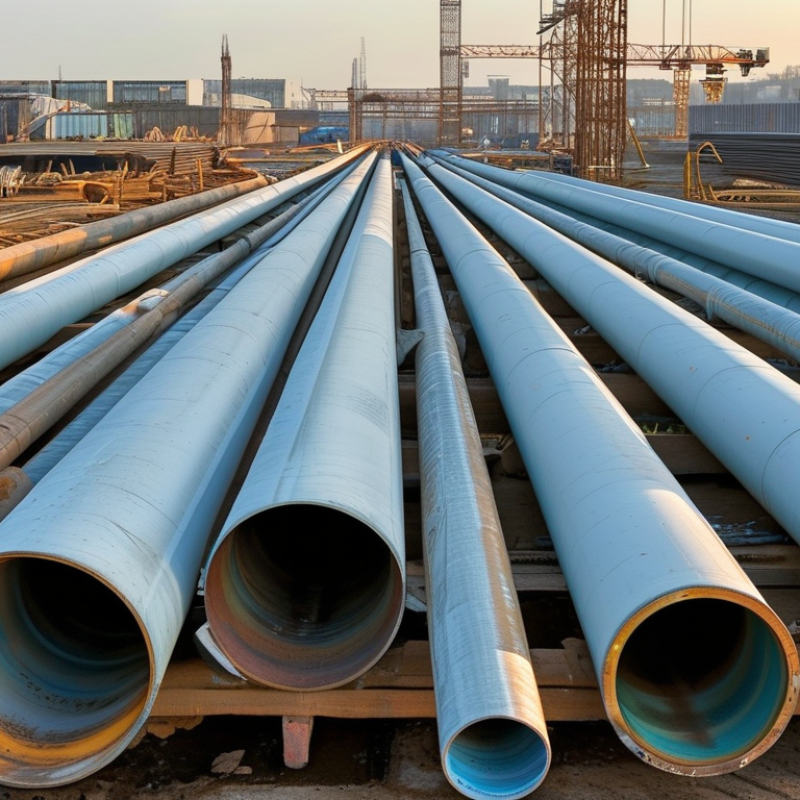
Top Construction Pipe Suppliers for Global Buyers Today?
In today's construction landscape, the demand for quality Construction Pipe has surged. Builders and contractors prioritize durability and reliability in their projects. Choosing the right supplier is crucial for ensuring high standards.
Various companies worldwide specialize in construction pipe manufacturing. They offer a range of materials, including PVC, steel, and concrete. Each type serves different needs. However, not all suppliers provide consistent quality or service. Buyers must research potential vendors carefully.
Many factors influence supplier selection. Price is just one aspect. Companies must also consider product availability, delivery times, and customer support. In some cases, a low-cost option may lead to future complications. Quality issues can result in costly delays and rework. Making informed choices can ultimately save money and time.
Overview of Global Construction Pipe Market Trends
The global construction pipe market is currently experiencing significant shifts. Demand for various types of pipes, like PVC and metal options, is rising. This trend is fueled by expanding infrastructure projects across many countries. Urbanization plays a crucial role. More cities require reliable water supply, drainage, and gas lines.
Sustainability is also becoming a priority. Buyers often seek eco-friendly materials. Manufacturers are exploring innovations in recycling older pipes. This investment shows commitment to the environment but often faces challenges. Not all suppliers have access to the latest technologies. Additionally, quality control remains a concern in many regions. Proper certifications can be hard to verify.
Competition among suppliers intensifies as markets grow. Yet, some companies struggle with the logistics of global shipping. Delays and costs can deter potential buyers. Global buyers should conduct thorough research. They need to ensure suppliers not only meet quality standards but also have a reliable delivery system. Understanding these market trends is essential for making informed decisions.
Global Construction Pipe Market Trends
Key Factors in Selecting Construction Pipe Suppliers
When selecting construction pipe suppliers, several key factors come into play. Quality assurance is paramount. Pipes should undergo rigorous testing for durability and performance. This guarantees they can withstand various environmental conditions. Ensure suppliers provide certifications that attest to these standards.
Pricing is another important consideration. While cost-effective solutions are appealing, they should not compromise quality. Opt for suppliers who offer transparent pricing structures. This helps in making informed decisions while avoiding hidden costs later.
Tips: Always ask for references. This helps gauge a supplier's reliability. Building a relationship with suppliers can lead to better deals and improved service. Don’t hesitate to compare multiple options. Each supplier may have unique benefits.
Lastly, communication plays a crucial role. Suppliers should be responsive and open to inquiries. A supplier’s willingness to assist reflects their commitment to customer satisfaction. Transparent dialogue can also uncover potential issues before they escalate. This proactive approach enhances the overall buying experience.
Top Suppliers by Region: North America, Europe, Asia, and Beyond
In North America, construction pipe suppliers face intense competition. Data from industry reports indicates that the market is expected to reach $35 billion by 2025. Many suppliers leverage advanced technology to improve efficiency and reduce costs. However, fragmentation still exists, leading to inconsistencies in quality across different regions.
Europe presents a diverse landscape. The construction industry has seen a steady growth rate of about 3% annually. Many European suppliers emphasize sustainability. They aim to offer eco-friendly materials. Yet, challenges with regulatory compliance can cause delays in project timelines.
In Asia, the market is booming. Countries like China and India are leading in infrastructure development. The demand for pipes is projected to increase by 5% yearly. Yet, quality control remains a significant challenge. Many suppliers struggle to meet international standards. There’s a clear need for improved practices and better oversight.
Evaluation Criteria for Quality and Reliability in Pipe Supply
When selecting a construction pipe supplier, the evaluation criteria for quality and reliability are paramount. A reliable supplier should demonstrate expertise in manufacturing processes. This entails using durable materials and advanced techniques. Buyers should look for suppliers that adhere to international standards. Certifications can be a solid indicator of this commitment to quality.
Another crucial aspect is the supplier’s track record. A history of successful projects speaks volumes. Buyers should seek testimonials and case studies from previous clients. This information can reveal the supplier's strengths and shortcomings. It's essential to consider both positive and negative feedback when making a decision.
**Tips:** Always ask for samples before committing to a large order. This can help assess the materials' durability. When evaluating suppliers, analyze their after-sales support. Poor communication can indicate future issues. Effective partnerships often hinge on reliable support. Lastly, don't hesitate to request transparency regarding sourcing and production processes. This insight can make a significant difference in long-term reliability.
Emerging Innovations in Construction Pipes and Supplier Technologies
In recent years, the field of construction pipes has seen emerging innovations, particularly in material and technology. Reports indicate that the global construction pipe market is projected to grow significantly, with a compound annual growth rate (CAGR) of about 5% over the next five years. This growth is driven by innovations such as high-density polyethylene (HDPE) and trenchless technology that reduce environmental impact and labor costs.
New manufacturing techniques have improved the durability and efficiency of construction pipes. For instance, pipes made from innovative composite materials offer enhanced strength while remaining lightweight. Industry experts report that these advancements can lead to maintenance cost reductions of up to 30%. However, the adoption of these technologies requires careful planning and investment, which not all suppliers can manage effectively.
Tips: When selecting a supplier, consider their commitment to using innovative materials and technologies. Conduct thorough research to ensure they align with sustainable practices. Additionally, prioritize suppliers with proven track records in implementing new technologies and delivering on their promises.
Do not overlook the importance of evaluating not just the price, but the potential long-term savings that innovative solutions can bring to your projects.