Top 10 Industrial Hydraulic Presses for Global Buyers?
In today's competitive manufacturing landscape, the role of the Industrial Hydraulic Press is pivotal. These machines are essential for various sectors, including automotive, aerospace, and construction. They offer unmatched power and precision, enabling better productivity and efficiency. However, selecting the right hydraulic press can be challenging for global buyers.
With so many options available, understanding key features is crucial. Each press has unique specifications that cater to different industrial needs. Buyers must consider factors such as tonnage, stroke length, and operational speed. Additionally, the manufacturer's reputation plays a significant role in reliability and post-purchase support.
As we delve into the top 10 Industrial Hydraulic Presses, it's essential to reflect on their application and performance. No single model fits all. Each machine's effectiveness depends on the user's specific requirements. Balancing price and quality remains a common concern. This guide aims to provide insights into the best choices available while encouraging critical thinking about the necessary features and potential limitations of each press.
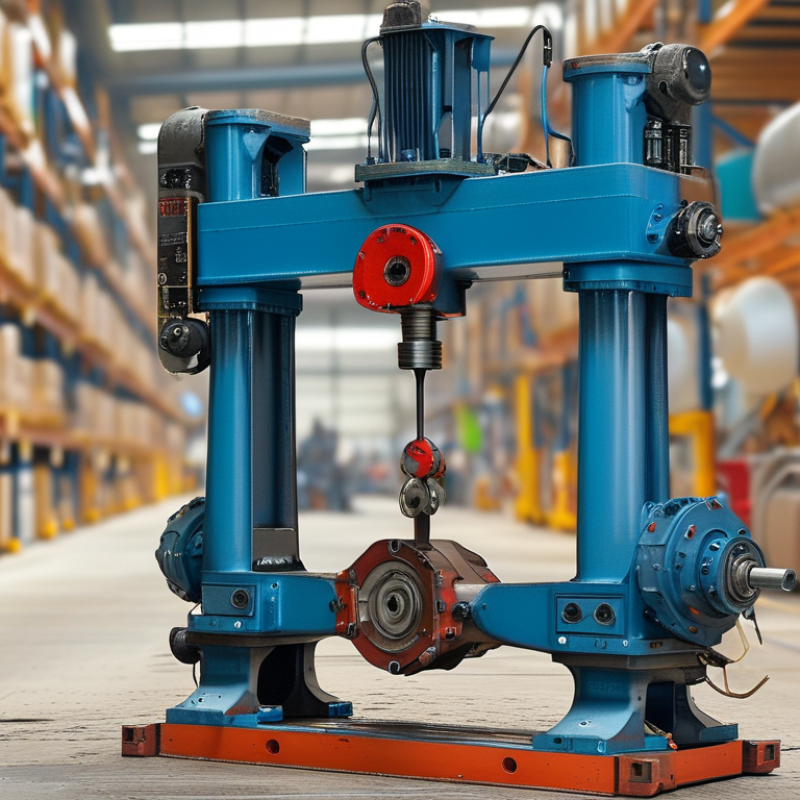
Overview of Industrial Hydraulic Presses and Their Applications
Industrial hydraulic presses are vital in various sectors, including manufacturing and construction. These machines apply immense force to shape or compress materials. They are used for forging, stamping, and even metal forming. Their applications are broad, making them indispensable in both small workshops and large factories.
The operation of a hydraulic press relies on Pascal's principle. This principle states that pressure applied to a confined fluid is transmitted equally in all directions. This allows for effective power amplification. Many industries benefit from this technology, including automotive, aerospace, and consumer goods. The precision offered by hydraulic presses enhances product quality.
However, not all hydraulic presses are built the same. Each type serves specific needs. Understanding these differences requires careful consideration. Buyers should reflect on their requirements before selecting a machine. Factors like force capacity, speed, and size matter a lot. This decision can significantly impact productivity and safety in the workplace.
Key Features to Consider When Selecting a Hydraulic Press
When selecting an industrial hydraulic press, several key features should be at the forefront of your decision-making process. Press capacity is crucial. It determines how much force the machine can exert. Most presses range from a few tons to over a thousand. Choose one that suits your specific application.
Safety features cannot be overlooked. Look for models equipped with emergency stops, safety guards, and overload protection. These things enhance safety in the workplace. A reliable hydraulic system is equally important. You want a system that maintains pressure consistently without leaks.
Keep the overall size and weight in mind. It should fit your workspace comfortably. Consider the energy consumption of the hydraulic press as well. Efficient models can save you money in the long run. Functionality and versatility are also vital. A press that can perform multiple tasks offers greater value.
While navigating these features, remember that not every option will be perfect for your needs. Assessing your requirements carefully can help you avoid overspending on unnecessary functionalities. Regularly review your choice after purchase to ensure it continues to meet your demands.
Top 10 Industrial Hydraulic Presses for Global Buyers
| Model | Press Force (Tons) | Table Size (mm) | Stroke Length (mm) | Motor Power (kW) | Dimensions (L x W x H mm) |
| Hydraulic Press A | 100 | 800 x 600 | 300 | 15 | 2000 x 1200 x 2200 |
| Hydraulic Press B | 150 | 900 x 700 | 400 | 18 | 2200 x 1300 x 2300 |
| Hydraulic Press C | 200 | 1000 x 800 | 500 | 22 | 2400 x 1400 x 2500 |
| Hydraulic Press D | 250 | 1100 x 900 | 600 | 25 | 2600 x 1500 x 2600 |
| Hydraulic Press E | 300 | 1200 x 1000 | 700 | 30 | 2800 x 1600 x 2700 |
| Hydraulic Press F | 350 | 1300 x 1100 | 800 | 35 | 3000 x 1700 x 2800 |
| Hydraulic Press G | 400 | 1400 x 1200 | 900 | 40 | 3200 x 1800 x 2900 |
| Hydraulic Press H | 450 | 1500 x 1300 | 1000 | 45 | 3400 x 1900 x 3000 |
| Hydraulic Press I | 500 | 1600 x 1400 | 1100 | 50 | 3600 x 2000 x 3100 |
| Hydraulic Press J | 600 | 1700 x 1500 | 1200 | 55 | 3800 x 2100 x 3200 |
Top 10 Hydraulic Press Brands to Consider for Global Buyers
When considering hydraulic presses, global buyers should look for brands with a solid reputation and proven track records. High-quality presses are essential for achieving consistency and reliability in production processes. Look for features such as adjustable pressure settings, safety mechanisms, and efficient hydraulic systems. These elements ensure optimal performance and user safety.
Additionally, consider the brand's customer support and service options. Access to prompt service can greatly reduce downtime in case of issues. Buyers should seek out brands with comprehensive warranty options. This can provide peace of mind, knowing that assistance is available when needed. Investing in a reputable brand can significantly enhance operational efficiency.
Reflect on the specific needs of your production process. Not every hydraulic press is suitable for all applications. Analyze the materials you will be working with and the required force for your projects. It’s crucial to select a press that aligns with your operational requirements. Performance can vary across different brands, so explore customer reviews and testimonials for insights into real-world experiences. Always question how a specific model fits into your unique work environment.
Comparison of Hydraulic Press Specifications and Performance
When choosing industrial hydraulic presses, specifications and performance metrics are critical. The global hydraulic press market was valued at approximately $7 billion in 2022 and is projected to grow at a CAGR of 4.5% from 2023 to 2030. Consider factors such as pressing force, operating speed, and energy consumption. Most hydraulic presses provide pressing forces ranging from 10 to 5,000 tons. However, the best option depends on specific operational needs.
Efficiency is also vital. Many modern hydraulic presses now incorporate energy recovery systems, reducing overall costs. Users report that energy-efficient models can save up to 30% on utility bills. Productivity is enhanced by features such as automatic cycling and programmable settings, but these can come with a steep learning curve. Understanding how to maximize these features is essential for optimal performance.
Keep in mind that maintenance plays a significant role in long-term performance. Regular checks and proper lubrication can extend the life of equipment significantly. Always assess the total cost of ownership, which includes maintenance and downtime. Investing in training for operators also pays off by reducing mistakes and enhancing safety. Prioritizing these factors leads to more reliable and efficient operations.
Maintenance Tips for Enhancing the Longevity of Hydraulic Presses
Maintaining hydraulic presses is vital for ensuring their longevity and optimal performance. Regular inspection should be a priority. Check for leaks in hoses and fittings, as even minor issues can escalate. Frequent inspections also help catch wear and tear early. Keeping hydraulic fluids clean can extend the lifespan of the system. Contaminants can wreak havoc on components.
Proper lubrication of moving parts is essential. It reduces friction and prevents overheating. After heavy usage, employees should be encouraged to clean equipment thoroughly. Caked-on debris can lead to operational problems. Training staff on maintenance routines can also enhance reliability. It's important to document maintenance records. This way, patterns of equipment failure or success can be recognized.
Ignoring maintenance can lead to costly repairs and downtime. Regular training sessions for operators can ensure everyone is on the same page. Providing clear guidelines for use and maintenance can reduce errors. While no system is perfect, a proactive maintenance strategy can foster longer-lasting and more reliable hydraulic presses.