
What Are the Top Types of PE Gloves in 2026?
Pe Gloves may look simple, yet small differences can change how they feel and perform during a work shift. In 2026, buyers will encounter several common options, including smooth and embossed polyethylene gloves, plus variations in thickness, size, and color. Each type serves a different practical need. Embossed surfaces can offer a more secure hold on slippery items, while smooth gloves may suit quick, low-mess tasks. Grip can vary.
This guide explores the top types of Pe Gloves and the details worth checking before purchase. It looks at material feel, fit, handling, and typical workplace uses, rather than treating one style as best for everyone. A glove that works well for food handling may feel awkward during cleaning or light assembly. That distinction is easy to overlook. Small differences matter.
Product descriptions do not always tell the whole story. Compare stated dimensions and thickness, and check whether the supplier provides clear specifications for the intended use. Try a sample when possible; comfort is difficult to judge from a catalog image. This overview is practical, not a substitute for product-specific guidance. The right choice depends on the task, the wearer, and how often gloves are changed. Even a well-made pair can disappoint if the fit is wrong.
How Polyethylene Gloves Are Classified by Material and Construction
PE gloves are commonly grouped by polyethylene type and by how the film is formed. Low-density polyethylene (LDPE) feels softer and more flexible, while high-density polyethylene (HDPE) is often thinner and crisper. Some products use blended films, so the material name alone may not predict how a glove feels. Not always.
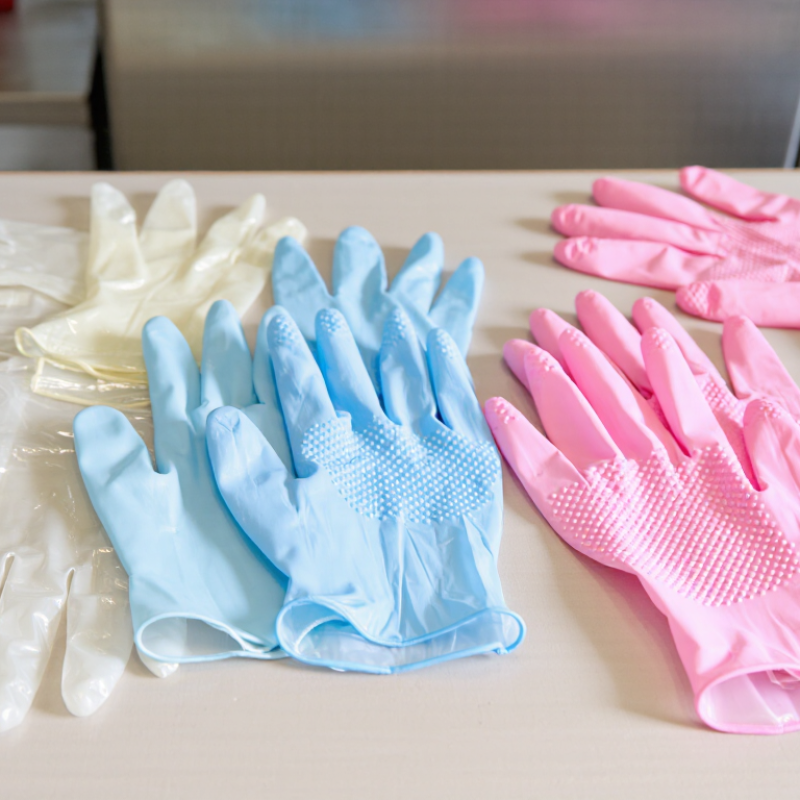
Construction changes handling, too. Many disposable PE gloves are made from two film sheets joined around their edges, leaving a loose fit and a wide cuff. Smooth film slides on quickly, but can feel slippery when handling wet items. Embossed surfaces add texture for a steadier hold; the pattern may be subtle, so check a sample rather than relying only on a product description.
Thickness, seam quality, and cuff shape help distinguish options within each material group. A lighter glove can suit brief, low-demand tasks, while thicker film may resist everyday tearing better. It is not a universal rule. Look for thickness in microns and inspect the seam near the fingertips, where stress is easy to notice. PE gloves are not interchangeable with every protective glove; match the construction to the task and verify the stated specifications. That distinction can be imperfect in real use.

High-Density Polyethylene Gloves: Lightweight and Cost-Effective
High-density polyethylene (HDPE) gloves are a practical choice for brief, light-duty tasks. Their thin, lightweight film slips on quickly and uses little material. That can make them a cost-effective option in busy settings where gloves are changed often. They are commonly used for simple food handling, sorting, and quick service tasks. They can feel roomy.
That loose fit is useful when speed matters, but it can reduce dexterity. Picking up a small, slippery item may take more effort than expected. HDPE gloves are not a substitute for heavier gloves when a task requires stronger protection, a close fit, or resistance to heat or chemicals. Check the product details against the actual task.
Cost depends on more than the price per glove. A glove that tears during use may need replacing, so the cheapest pack is not always the best value. Test a few gloves during normal work: notice whether the cuff stays in place and whether fingertips remain usable. This is only a practical check, not proof of protection. Replace gloves that are torn or contaminated, and follow the relevant workplace procedures.
Low-Density Polyethylene Gloves: Flexible and Comfortable
What Are the Top Types of PE Gloves in 2026?
Low-Density Polyethylene Gloves: Flexible and Comfortable
Low-density polyethylene (LDPE) gloves are lightweight, loose-fitting, and easy to put on or remove. Their flexible film can feel less restrictive during brief, repetitive tasks, such as sorting small items or handling ready-to-serve foods where appropriate. They feel light. That can be useful when workers change gloves often. However, comfort depends on hand size, glove thickness, and task duration; a loose fit may reduce control during delicate work.
Tips: Check the fit before starting. The glove should cover the hand without pulling tight, but excess material can snag or make gripping awkward. Keep a few sizes nearby if several people share a work area. Replace gloves when torn, heavily soiled, or no longer suitable for the task.
LDPE gloves are generally best for light-duty use, not every job. They may offer less puncture resistance and dexterity than some other glove materials, so they are not a good choice for sharp tools or demanding handling. Match the glove to the task and follow workplace procedures. One detail is easy to overlook: a glove that feels comfortable at first may become irritating during a long shift, especially around the wrist. Check in with users rather than assuming one style suits everyone.
| Glove type | Material and surface | Feel and flexibility | Grip characteristics | Common applications | Practical considerations |
|---|---|---|---|---|---|
| LDPE gloves | Low-density polyethylene; commonly supplied with a smooth surface. | Generally softer and more flexible than comparable HDPE gloves; loose-fitting styles allow easy donning. | A smooth finish provides limited grip, especially on wet or oily items. | Light-duty food handling, deli service, and short tasks where frequent glove changes are practical. | Not designed as a close-fitting glove. Protection and food-contact suitability depend on the product and applicable requirements. |
| Embossed LDPE gloves | LDPE with a patterned or textured surface. | Retains the loose fit and flexible feel associated with LDPE. | Embossing can improve handling compared with a smooth surface, though grip remains task-dependent. | Food counters, light packaging, and service tasks that benefit from easier handling. | Texture, thickness, and grip vary by design; check the product specification for the intended task. |
| HDPE gloves | High-density polyethylene; often made as a lightweight, thin film glove. | Typically less soft and less flexible than LDPE, with a comparatively crisp feel. | Grip depends on surface pattern and glove design; smooth versions can be slippery. | Quick, light-duty handling and tasks where easy dispensing and low material use are priorities. | A thin disposable film glove is not a substitute for a glove selected for chemical, cut, heat, or medical protection. |
| CPE gloves | Chlorinated polyethylene, a polyethylene-based material; commonly offered with a textured surface. | Often has a more substantial feel than a very lightweight PE film glove; flexibility varies with construction. | Textured finishes may provide more handling traction than smooth film gloves. | Food-service and general light-duty handling where a textured disposable glove is preferred. | CPE is not the same material as LDPE or HDPE. Confirm fit, intended use, and any food-contact or regulatory claims on the product documentation. |
Product performance varies by thickness, fit, texture, and manufacturing specification. Disposable PE gloves are generally intended for light-duty tasks; choose gloves specifically rated for the hazards and requirements of the job.
Cast Polyethylene Gloves: Textured Grip and Added Durability
Cast polyethylene (PE) gloves often feature raised patterns across the fingers and palm. This texture can help you hold a damp cup, slick produce bag, or lightweight tool with better control. It is useful, but not a guarantee of grip on oily or very wet surfaces. The film stays light and flexible, making these gloves practical for brief, low-risk handling tasks. Added durability may help resist routine stretching and small snags. Not puncture-proof.
Tips: Check that the glove fits without pulling tight at the fingertips. Try gripping the actual item you handle, especially if its surface is damp. Replace gloves that tear or feel loose; texture cannot make a damaged glove reliable.
In daily use, the difference can be subtle: a carton may feel steadier, while a smooth plastic lid still slips. That is worth remembering. Cast PE gloves are generally suited to short tasks where easy changing matters, rather than rough work or prolonged exposure to liquids. Also consider how the textured surface feels after repeated handling; some patterns may rub against sensitive skin. I would not assume that “more texture” always means better performance. The right choice depends on the task, fit, and condition of the glove.
How to Choose a PE Glove Type for Different Tasks
Choosing a PE glove starts with the task, not the package label. These lightweight, loose-fitting gloves suit brief jobs where quick changes matter. For serving pastries, sorting produce, or handling clean, dry items, smooth PE gloves slide on easily. They are not a substitute for gloves designed for heat, sharp edges, or chemical exposure.
Texture can change how a glove feels in use. Embossed PE gloves have raised patterns that may improve grip on damp fruit or a slick takeaway container. Smooth gloves work well for quick, dry handling and can feel less bulky. Longer-cuff styles cover more of the wrist, but the open cuff can still let splashes reach the skin. That detail is easy to overlook.
Match the size to the motion. A loose glove may snag or make small items harder to pick up; a tight one can split at the thumb. Replace gloves when torn or visibly soiled, and when changing tasks. Check the product’s intended-use information and your workplace hygiene procedures, since thickness and fit vary. A brief trial with the actual task is useful. Labels alone cannot show how a wet lid turns in your hand.
