Why are Transformer Substations Essential for Modern Energy Systems?
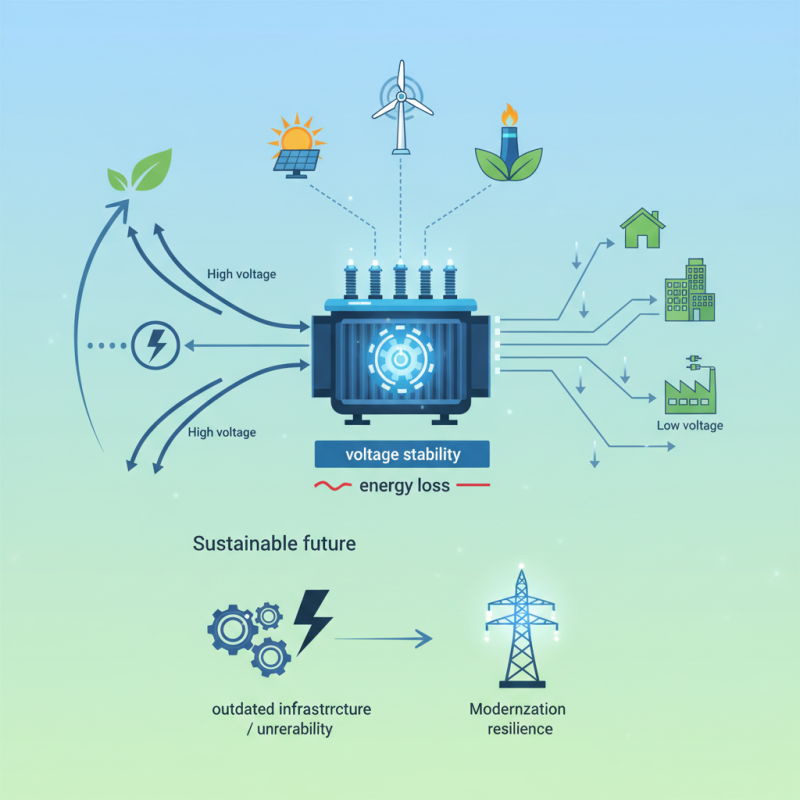
Transformer Substations play a crucial role in modern energy systems. They facilitate the efficient transmission and distribution of electricity. As the demand for renewable energy sources grows, the importance of transformer substations becomes even more apparent. These facilities convert high-voltage electricity from transmission lines to lower voltages, suitable for consumer use.
Inadequate infrastructure can lead to energy losses and reliability issues. Transformer substations help mitigate these risks by maintaining voltage stability. They serve as hubs where different energy sources converge. This can include solar, wind, and traditional fossil fuels. The integration of various energy sources requires well-designed substations to ensure seamless operation.
The reliability of our energy networks hinges on transformer substations. However, they are often taken for granted. Insufficient planning or outdated technology can create vulnerabilities. As society pushes for a more sustainable future, addressing these shortcomings will be essential. A well-functioning transformer substation is key to achieving energy resilience.
The Role of Transformer Substations in Modern Energy Distribution
Transformer substations play a pivotal role in modern energy distribution systems. They convert high-voltage electricity from power plants into lower voltage levels suitable for consumer use. According to the International Energy Agency, efficient power distribution through substations is crucial for reducing energy losses, which can reach up to 10% in some regions. This conversion ensures that electricity is delivered safely and reliably to homes and businesses.
In urban areas, transformer substations are often located within neighborhoods, leading to concerns about space and environmental impacts. The placement of these facilities is essential for minimizing transmission losses and improving efficiency. However, urban infrastructure can limit the development of new substations. As cities grow, the demand for reliable electricity increases. A study by the U.S. Department of Energy notes that urban populations could rise by over 70% by 2050, highlighting the urgent need for innovative solutions in energy distribution.
Despite their importance, transformer substations can be overlooked in discussions about energy systems. They typically operate quietly, yet they are the backbone of an efficient grid. Investment in advanced technology is necessary to improve their functionality. Current transformers have limitations, and relying on outdated technology can hinder progress. Energy professionals must focus on upgrading these critical assets to ensure a sustainable, resilient energy future.
Why are Transformer Substations Essential for Modern Energy Systems?
| Dimension | Description | Importance |
| Voltage Transformation | Converts high transmission voltage to usable levels for distribution. | Crucial for ensuring safety and efficiency in energy delivery. |
| Load Management | Balances the distribution of electricity to avoid outages. | Vital for maintaining system stability and reliability. |
| Integration of Renewable Energy | Facilitates the connection of renewable sources like wind and solar. | Key to transitioning towards a sustainable energy future. |
| Grid Resilience | Enhances the grid's ability to withstand disruptions. | Essential for ensuring continuous power supply during emergencies. |
| Smart Grid Technologies | Supports advanced monitoring and control systems. | Improves operational efficiency and customer service. |
Key Functions of Transformer Substations in Energy Systems
Transformer substations play a crucial role in modern energy systems. They facilitate the efficient transfer of electrical energy across vast distances. This is especially important as renewable energy sources become more prevalent. The increase in green energy generation requires reliable connections to the grid. Transformer substations make this connectivity possible.
One of the primary functions is voltage transformation. High voltage power is needed for long-distance transmission to minimize energy loss. However, this high voltage is not suitable for end-users. Transformers reduce the voltage to levels that can power homes and businesses safely. This step is vital for maintaining a stable energy supply.
Transformer substations also enhance grid reliability. They provide necessary support during peak demand periods. Without these substations, the risk of outages increases. Overloading a grid can lead to severe outages, impacting millions. There's always room for improvement, especially in technology and safety measures. Engaging in this reflection is key to advancing the integrity of energy systems.
Impact of Transformer Substations on Energy Efficiency and Reliability
Transformer substations play a crucial role in modern energy systems. They enhance energy efficiency and reliability for power distribution networks. By stepping down high voltage electricity, they make it safe for everyday use. In this way, they prevent energy loss during transmission. However, they are not without challenges.
The design of transformer substations must be precise. A poorly designed substation can lead to energy wastage. Even slight inefficiencies in transformers can result in significant losses over time. Regular maintenance is essential to ensure their optimal performance. In some cases, substations may struggle to keep up with rising energy demands. This is a concern as urban areas continue to expand.
Moreover, advancements in technology bring new opportunities. Smart grids can integrate into substations for better monitoring and control. This improvement can enhance overall system reliability. However, the transition to smart technology can be complex. Training staff and upgrading existing infrastructure require careful planning. Achieving a balance between innovation and reliability is vital.
Impact of Transformer Substations on Energy Efficiency and Reliability
Challenges and Innovations in Transformer Substation Technology
Transformer substations play a vital role in modern energy systems. They enable the safe and efficient transmission of electricity across vast distances. However, the technology is not without its challenges. Many aging substations face reliability issues. According to a report by the International Energy Agency, nearly 40% of existing transformer substations require significant upgrades to meet today's efficiency standards.
Innovations in technology are crucial for addressing these challenges. Smart grid technology can enhance the monitoring of transformer performance. For instance, real-time data analytics can predict failures before they occur. Incorporating renewable energy sources adds complexity to these systems. A study from the Electric Power Research Institute suggests that integrating solar and wind energy will require a complete reevaluation of transformer designs.
Transformers must now handle variable loads and increased power quality demands. This transition is not easy. Many facilities struggle with outdated infrastructure. New designs need to focus on environmental sustainability and efficiency. Addressing these gaps is necessary for the future of energy systems. The path forward requires collaboration between operators, engineers, and policymakers to innovate and adapt effectively.
Future Trends in Transformer Substation Development and Integration
Transformer substations are at the forefront of the energy transition. They are essential for integrating renewable energy sources into the grid. The demand for cleaner energy is accelerating. According to a recent report by the International Energy Agency, global renewable energy capacity is expected to grow by over 50% by 2025. This increase necessitates advanced transformer substation technologies.
Future trends indicate a shift towards smart substations. These facilities can monitor and manage energy flow more efficiently. Machine learning and AI are emerging in monitoring systems. This integration can reduce operational costs by 20% while improving reliability. However, the industry faces challenges related to cybersecurity. Ensuring the security of these smart systems is critical for their success.
Adoption of modular substation designs is also on the rise. These designs allow for quicker deployment and scalability. A study from the Electric Power Research Institute shows that modular substations can reduce construction time by up to 30%. Yet, balancing cost-effectiveness with long-term durability remains a concern. Innovations must prioritize not just speed but also resilience in energy infrastructure.