What Are the Best Lined Valves from China?

China has become a major source of lined valves for chemical processing, water treatment, mining, pharmaceutical production, and corrosive fluid service. However, the best supplier is not always the one offering the lowest quotation. Performance depends on lining material, valve design, manufacturing control, testing, and after-sales support.

David W. Spence, a valve-industry consultant, emphasizes, “Material compatibility decides whether a lined valve protects the process or becomes the process problem.” This principle deserves attention. PTFE-lined valves suit many acids and aggressive chemicals, while PFA, FEP, rubber, or modified fluoropolymer linings may perform better under different temperatures and pressures. The correct choice depends on the actual medium.

Look beyond polished catalogs. Ask for lining thickness records, vacuum testing results, pressure-test reports, and material certificates. Check whether the factory controls molding, bonding, machining, and final inspection internally. A reliable Chinese manufacturer should explain how it prevents pinholes, exposed metal, uneven lining, and flange damage.

Real project experience also matters. A valve may look excellent on a clean factory floor but fail after repeated thermal cycling. That detail is easy to miss. It should not be.

This guide compares leading Chinese lined valves by construction quality, corrosion resistance, operating range, certification practices, customization ability, and service reliability. It also considers practical issues, including delivery consistency, spare parts, communication, and documentation. No supplier is perfect. Buyers should verify every claim against their process conditions, not marketing language. The strongest decision combines technical evidence, site experience, and careful supplier evaluation.
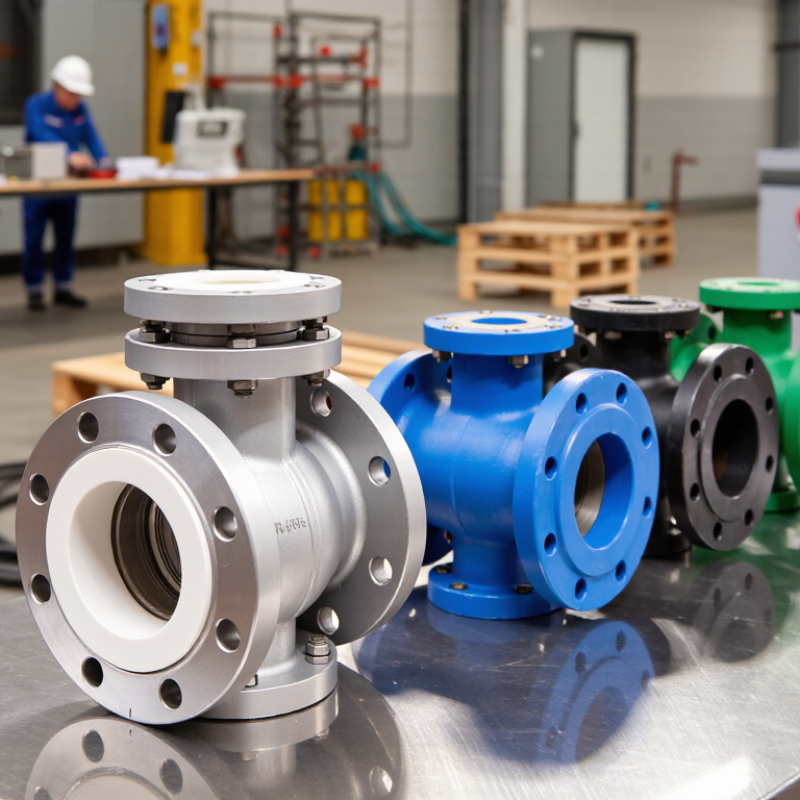
What Are the Best Lined Valves from China?

What Are Lined Valves and Why Are They Used?

Lined valves are flow-control devices with an inner layer of corrosion-resistant material. The lining separates the valve body from the process fluid. Common choices include PTFE, PFA, rubber, and other engineered polymers. They are used when ordinary metal surfaces may corrode, contaminate, or react with the medium.

These valves are common in chemical processing, wastewater treatment, mining, and pharmaceutical production. A suitable lining can protect against acids, alkalis, salts, and certain solvents. It may also reduce maintenance caused by rust, pitting, and product contamination. The benefit is practical. A damaged metal surface can stop a production line quickly.

Not every lined valve is suitable for every service. Temperature, pressure, vacuum conditions, abrasion, and fluid concentration must be checked together. I have seen specifications focus on corrosion resistance while overlooking rapid wear from solid particles. That mistake is expensive. Buyers should request lining thickness, material certificates, pressure-test records, dimensional drawings, and traceability documents. Factory inspection can also reveal uneven lining, exposed metal, or poor flange alignment. These details matter.

Chinese valve manufacturers offer many lined designs, including ball, butterfly, plug, and diaphragm valves. The best choice depends on tested performance, process compatibility, and consistent quality control, not location alone. A reliable supplier should explain limitations clearly. That honesty is important. Even a high-quality lining can fail when installation, temperature, or cleaning conditions exceed its design range.

Which Lining Materials Suit Different Corrosive Services?

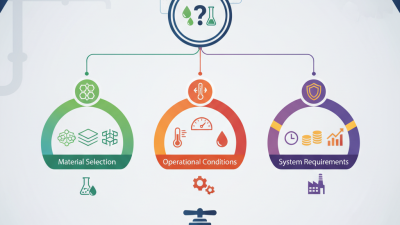
Choosing the best lined valve from China starts with the chemical, temperature, pressure, and operating cycle. The lining must resist the process fluid and survive repeated opening and closing. A valve that performs well in hydrochloric acid may fail quickly in hot caustic service.

PTFE is a common choice for strong acids, solvents, and high-purity liquids. It offers broad chemical resistance and a smooth surface that reduces deposits. However, PTFE can deform under high temperature or excessive compression. PFA suits similar duties and may provide better resistance in some high-temperature applications. For abrasive slurries, natural or hard rubber linings can absorb impact, especially in mining and wastewater systems. They are less suitable for oils, concentrated solvents, or elevated temperatures. Check the temperature.

PVDF and ETFE linings can serve demanding chemical services where mechanical strength matters. The correct choice still depends on concentration and temperature, not the material name alone. During inspections, engineers should examine lining thickness, flange sealing areas, and valve cavities. Spark testing can identify pinholes, while pressure testing checks the complete assembly. These tests should follow the project specification and applicable standards.

In field commissioning, one overlooked detail is cleaning the pipeline before operation. Weld debris can damage a soft lining within hours. I have also seen material charts used without considering temperature changes, which creates false confidence. Not always. A reliable supplier should provide traceable test records, dimensional checks, and clear service limits for every lined valve.

What Types of Lined Valves Are Made in China?

China manufactures a broad range of lined valves for corrosive, abrasive, and high-purity services. PTFE-lined butterfly valves are common in chemical pipelines, especially where compact wafer or lug designs save space. Lined ball valves provide tight shutoff and straightforward maintenance. They are often selected for acids, solvents, and process liquids. Plug valves suit demanding isolation duties, while globe valves offer better throttling control. Check valves prevent reverse flow in pumps and transfer lines. Diaphragm valves protect the process fluid from metal contact, making them useful in clean or highly corrosive systems.

The lining material matters as much as the valve body. PTFE handles many aggressive chemicals, but temperature and permeation limits still require careful review. PFA can improve chemical resistance in some severe services. Rubber, ebonite, PVDF, and ceramic linings may suit abrasive slurries or different temperature ranges. I have found that flange dimensions, vacuum conditions, and operating torque are often overlooked during selection. That creates expensive surprises.

Reliable Chinese production depends on more than appearance. Buyers should request lining thickness records, material certificates, dimensional reports, and pressure-test results. Spark testing can reveal pinholes in polymer linings. Visual checks should include flange faces, stem seals, and valve cavities. No valve is perfect. A clean datasheet may still hide weak inspection practices. Clear service data and independent verification usually produce a safer choice. Surface finish matters, too. Even a small defect can collect residue or accelerate lining damage.

How Do Chinese Lined Valve Suppliers Compare?

Chinese lined valve suppliers vary widely in engineering depth, production control, and after-sales support. The strongest suppliers can match lining materials to media, temperature, pressure, and cycling frequency. PTFE may suit many chemical services, while PFA or ETFE can handle different abrasion and temperature demands. The details matter.

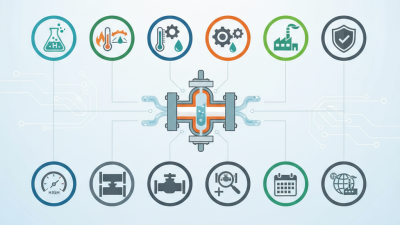
During supplier evaluations, check whether drawings show lining thickness, flange dimensions, shaft sealing, and allowable vacuum conditions. Reliable factories should provide material certificates, pressure-test records, dimensional reports, and batch traceability. Ask for evidence.

A clean workshop helps, but documented controls matter more. Some suppliers offer competitive prices because they manufacture castings, linings, and assembly in one facility. Others depend heavily on subcontractors, which can make quality less consistent.

Communication also separates capable suppliers from merely responsive ones. Technical staff should explain testing methods, spare-part availability, and installation limits without avoiding difficult questions. Lead times need careful review, especially for customized valve sizes or unusual linings. A low quotation can hide weaker inspection or limited technical support. No supplier gets every detail right. I have seen specifications become unclear when buyers focus only on price and overlook operating conditions. That gap matters. Request sample reports, inspect critical batches, and compare total ownership costs before approval. Suppliers willing to discuss failures, corrective actions, and design limitations are often more dependable than those offering effortless promises.

Which Quality Standards Should Buyers Verify?

What Are the Best Lined Valves from China? Which Quality Standards Should Buyers Verify?

The best lined valves are not chosen by price alone. Buyers should verify pressure ratings, lining materials, factory controls, and test records. A 2024 industrial valve market report by Grand View Research describes chemical processing, water treatment, and energy as major demand sectors. These applications expose valves to corrosion, cycling, and thermal shocks.

Check whether the valve follows ASME B16.34 for pressure-temperature ratings. API 598 or ISO 5208 should support shell and seat leakage testing. For European projects, EN 12266 may also apply. Ask for signed test reports, not only certificates. A clear report should show test pressure, duration, medium, temperature, and acceptance criteria. Small details matter.

Lining quality needs separate verification. Request material identification for PTFE, PFA, rubber, or other specified linings. Inspect thickness, adhesion, pinholes, blistering, and flange sealing surfaces. EN 10204 3.1 material certificates can improve traceability. ISO 9001 certification supports process control, but it does not prove every valve is reliable. That distinction is often missed.

For sour-service applications, verify NACE MR0175/ISO 15156 requirements when applicable. For food, pharmaceutical, or drinking-water service, confirm the relevant hygienic or contact-material approvals. Factory witness testing can reveal practical weaknesses, including damaged linings or uneven bolt tightening. I would not accept photographs as final evidence. A supplier may have excellent paperwork, yet inconsistent batch inspection remains a concern. The buyer must keep questioning the evidence.

What Are the Best Lined Valves from China? – Which Quality Standards Should Buyers Verify?

Valve Category Typical Lining Materials Suitable Service Key Design and Material Checks Standards Buyers Commonly Verify Documents and Inspection Evidence
Lined Butterfly Valve PTFE, PFA, FEP, rubber, EPDM, or fluoropolymer elastomers Corrosive liquids, acids, alkalis, chemical transfer, water treatment, and low-to-medium pressure duties Disc and stem compatibility, lining continuity around the shaft area, flange dimensions, operating torque, temperature limits, and seat leakage class API 609 or EN 593 for butterfly valve design; API 598 or ISO 5208 for pressure and leakage testing; applicable flange standard such as ASME B16.5 or EN 1092-1 Approved drawings, material certificates, pressure-test report, lining inspection record, dimensional report, and certificate of conformity
Lined Ball Valve PTFE, modified PTFE, PFA, or other chemically resistant fluoropolymers Aggressive chemicals, high-purity fluids, corrosive gases, and applications requiring tight shut-off Ball and seat compatibility, cavity design, anti-static and fire-safe requirements where specified, stem retention, pressure-temperature rating, and resistance to permeation API 608 or ISO 17292 for metallic ball valve requirements; API 598 or ISO 5208 for testing; ISO 5211 for actuator mounting where applicable Lining material traceability, ball and seat inspection, shell and seat test results, torque data, functional test report, and optional fire-test evidence when required
Lined Gate Valve PTFE, PFA, rubber, or other specified polymer linings Isolation service for corrosive liquids, slurry systems, and process pipelines with infrequent operation Wedge or gate alignment, stem sealing, full-port passage, lining thickness, dead-space control, and suitability for suspended solids or slurry API 600, API 603, or ISO 10434 according to valve construction; API 598 or ISO 5208 for testing; applicable face-to-face and flange standards Pressure-boundary material certificates, lining thickness measurements, visual inspection, holiday or spark-test record where specified, and shell/seat test reports
Lined Check Valve PTFE, PFA, rubber, EPDM, or fluoropolymer-coated internal parts Backflow prevention in chemical, wastewater, process, and low-contamination systems Cracking pressure, reverse leakage, disc or ball movement, flow direction, water hammer risk, lining adhesion, and installation orientation API 594 or EN 12334 where applicable; API 598 or ISO 5208 for pressure and leakage testing; project-specific anti-slam requirements Cracking-pressure test, reverse-leakage test, body and lining inspection, dimensional report, and installation-orientation documentation
Lined Plug Valve PTFE, PFA, elastomer, or other chemically resistant lining systems Corrosive fluids, slurries, isolation service, and applications requiring a straight-through flow path Plug-to-body fit, operating torque, cavity pressure relief, lining wear, port geometry, and resistance to abrasive particles API 599 or applicable project standard; API 598 or ISO 5208 for testing; ASME B16.10 or EN 558 for face-to-face dimensions where specified Torque record, body and seat test results, lining continuity report, dimensional inspection, material traceability, and coating or lining repair log
Lined Diaphragm Valve PTFE, PFA, natural rubber, EPDM, or other elastomers Acids, corrosive chemicals, abrasive slurries, ultrapure processes, and hygienic or contamination-sensitive duties Diaphragm material and cycle life, weir or straight-through body design, pressure-temperature limits, vacuum capability, and dead-volume requirements EN 13397 for diaphragm valve requirements where applicable; API 598 or ISO 5208 when specified by the purchase standard; hygienic applications may require ASME BPE Diaphragm batch traceability, cycle test, leakage test, material declaration, surface-finish report for hygienic service, and cleanability documentation
Metallic Body and Pressure Boundary Carbon steel, stainless steel, ductile iron, or other specified substrate beneath the lining Determined by pressure class, temperature, external environment, and mechanical loading Pressure rating, corrosion allowance, casting or forging quality, weld repair controls, wall thickness, heat treatment, and substrate-to-lining compatibility ASME B16.34 for pressure-temperature ratings and valve construction; ASTM or EN material specifications stated in the purchase order; NACE requirements when sour service applies EN 10204 3.1 material certificates, chemical and mechanical test results, heat-number traceability, NDE reports, casting inspection, and repair records
Polymer Lining System PTFE, PFA, FEP, ETFE, PVDF, rubber, or EPDM, selected according to the chemical and temperature profile Corrosive or contaminated media where the metallic substrate requires isolation from the process fluid Chemical compatibility, maximum and minimum temperature, permeation, vacuum resistance, lining thickness, adhesion or mechanical retention, and electrical continuity ASTM D1784 for certain PVC/CPVC material classifications; ASTM D3307 for fluoropolymer material classification where applicable; project-approved lining specification and inspection procedure Resin or elastomer certificate, batch number, thickness map, visual inspection, holiday testing where technically suitable, adhesion or spark-test report, and repair approval
Factory Pressure and Leakage Testing Not applicable as a lining material; applies to the completed valve assembly All pressure-containing lined valves before shipment Test medium, test pressure, duration, acceptance criteria, seat direction, shell integrity, visible leakage, and calibration status of test instruments API 598, ISO 5208, or EN 12266-1, selected consistently with the valve design and purchase specification Signed test certificate, test-pressure and duration records, leakage classification, calibrated-gauge certificates, and independent witness report when required
Quality Management and Conformity Applies to manufacturing, procurement, inspection, and documentation controls Important for export orders, regulated industries, and safety-critical installations Document control, nonconformance handling, calibration, subcontractor control, personnel qualification, corrective actions, and product traceability ISO 9001 certification; ISO 14001 or ISO 45001 where required; PED 2014/68/EU for applicable European pressure equipment; ATEX or other regulations only when relevant to the service Valid certificates with scope verification, quality plan, inspection and test plan, manufacturing record book, nonconformance register, and traceability matrix
Buyer verification note: Standards should be selected according to valve type, pressure class, lining material, operating temperature, process chemistry, destination market, and project specifications. A standard should not be claimed unless the supplier can provide the applicable edition, test procedure, acceptance criteria, and supporting records.
keep me informed

Subscribe

By clicking SEND means that you agree to our Terms & Conditions, Privacy and Cookie Policies.