
What Is Trichlor Pool Chemical Used For?

Clear pool water depends on steady sanitation, and Trichlor Pool Chemical is one common way to provide it. Usually sold as tablets or sticks, trichlor dissolves gradually and releases chlorine to help control bacteria and other microorganisms. It also contains cyanuric acid, which helps protect chlorine from sunlight. That slow release can be convenient for routine pool care, especially when a compatible feeder is used.

But convenience has a trade-off. As trichlor dissolves, cyanuric acid can build up in the water. Excessive levels may reduce chlorine’s effectiveness, so regular testing matters. Check chlorine, pH, and stabilizer levels with a reliable pool test kit, and follow the product label for dosage and use. Never mix trichlor with other pool chemicals, and keep it dry and stored as directed.

This guide looks at what trichlor does, where it may fit into a pool-care routine, and what to monitor while using it. A tablet may seem simple. Pool chemistry is not. Water volume, sunlight, swimmer use, and existing stabilizer levels can all affect results. One detail is easy to miss: adding more chlorine is not always the right fix when water tests are out of balance. Understanding both the benefits and limits of Trichlor Pool Chemical can help pool owners make safer, better-informed maintenance choices.
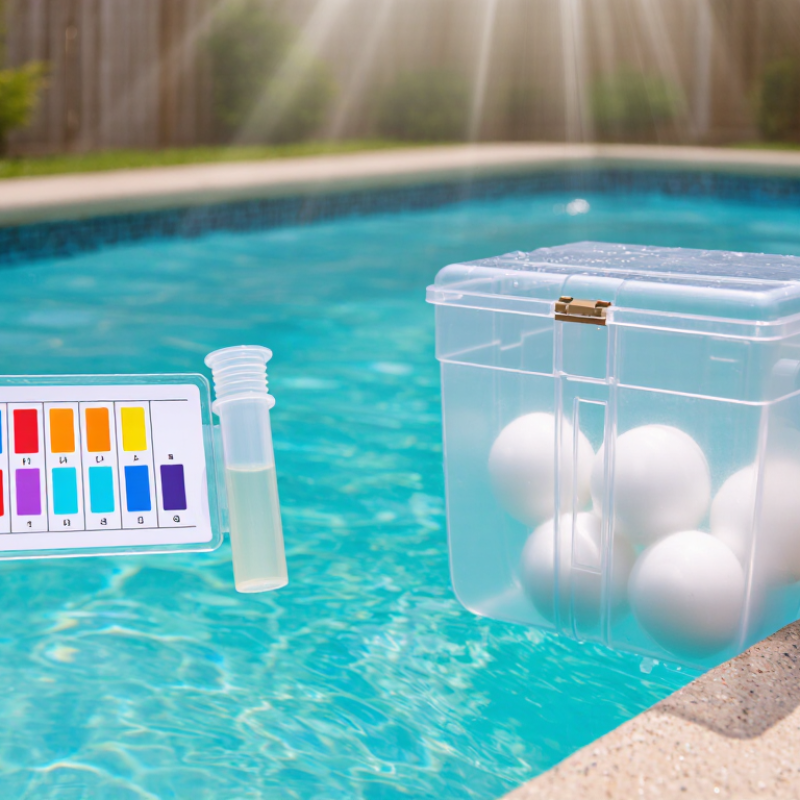
What Is Trichlor Pool Chemical Used For?

What Trichlor Pool Chemical Is

Trichlor is short for trichloroisocyanuric acid, a concentrated, stabilized chlorine compound used to sanitize swimming-pool water. Most pool trichlor comes as slow-dissolving tablets, though granular forms also exist. As it dissolves, it releases available chlorine that helps control bacteria and algae. It also adds cyanuric acid, which helps protect chlorine from sunlight.

That added stabilizer can be useful outdoors. But it does not simply disappear. Levels may build up over time, so regular water testing matters. Trichlor is acidic, too, and repeated use can lower pool pH and alkalinity. Small changes are easy to miss. A test strip may show a shift before the water looks different.

The tablets are designed for a suitable feeder or floater, according to the product label; they should not be handled casually or mixed with other chemicals. Never combine different pool chemicals. Keep them dry and stored separately. One detail that can feel counterintuitive is that a tablet may look unchanged while slowly affecting the water. Check chlorine, pH, and cyanuric acid rather than relying on appearance alone.

How Trichlor Sanitizes Pool Water

Trichlor sanitizes pool water by releasing available chlorine as it dissolves. In water, this chlorine forms hypochlorous acid, which damages microorganisms and helps control algae. Think of it as a steady feed: a tablet slowly dissolves in a feeder, while swimmers’ oils and sunlight create an ongoing chlorine demand. Trichlor also contains cyanuric acid, which helps protect chlorine from sunlight. That benefit has a trade-off. Cyanuric acid can build up, so a pool may need testing and water replacement to keep sanitizer effective.

The CDC’s Healthy Swimming guidance recommends at least 1 ppm free chlorine in pools, or 2 ppm when cyanuric acid is used, with pH maintained between 7.0 and 7.8. These are useful operating benchmarks, not a substitute for local health guidance or regular testing. Trichlor is acidic, so continued use can lower pH and total alkalinity. A test strip gives a quick reading, but a reliable test kit offers a clearer picture. One tablet cannot fix cloudy water or poor circulation; both still matter.

Tips: Test free chlorine, pH, and cyanuric acid routinely. Follow the product label, use a suitable feeder, and never mix pool chemicals. If readings drift, pause and investigate before adding more. The water can look clear and still be out of balance.

Common Forms and How They Are Used

Trichlor is sold mainly as compressed tablets or sticks, with some granular formulations available. Tablets dissolve slowly, so pool operators commonly place them in a compatible automatic feeder or floating dispenser. Keep the product dry and separate from other chemicals; never mix chlorine products.

Slow, steady release. Trichlor is acidic and adds cyanuric acid as it dissolves, so repeated use can lower pH and raise stabilizer levels. Check water readings rather than assuming the feeder is keeping conditions balanced.

The CDC’s Model Aquatic Health Code guidance calls for at least 1 ppm free chlorine in pools, or 2 ppm when cyanuric acid is used, and a pH of 7.2–7.8. Those figures are useful operating targets, not a dosing recipe: sunlight, swimmer load, and water volume affect demand. Follow the product label, test with a reliable kit, and adjust feeder output gradually.

A tablet can look unchanged while dissolving, which makes visual checks misleading. Small oversight. Regular testing catches drift before it becomes a bigger maintenance problem.

Benefits and Limitations of Trichlor

Trichlor is a stabilized chlorine chemical, commonly sold as slow-dissolving tablets. It releases chlorine to control many disease-causing germs and helps oxidize swimmer waste. That steady feed can suit outdoor pools, especially when frequent manual dosing is inconvenient. Tablets placed in a compatible feeder dissolve gradually, rather than creating a sudden chlorine spike. Handy, but not effortless.

Its main limitation is cyanuric acid. Trichlor adds this stabilizer as it dissolves, and levels can build up over time. Excess stabilizer can weaken chlorine’s germ-killing speed, so a clear-looking pool may still need attention. The CDC’s 2023 Model Aquatic Health Code sets a minimum of 2 ppm free chlorine for pools using cyanuric acid. This is a technical operating benchmark, not a substitute for testing. Check free chlorine, pH, and cyanuric acid regularly.

Trichlor is also strongly acidic. Repeated use may lower pool pH and alkalinity, requiring measured adjustment. Never mix it with other pool chemicals; store it dry and follow the product label. A practical routine includes testing with a reliable kit and recording results. Small dosing differences matter. Tablets can make maintenance easier, but they do not replace water testing or balanced chemistry.

What Is Trichlor Pool Chemical Used For? — Benefits and Limitations of Trichlor

Dimension Details Practical Implication
What it is Trichlor is short for trichloro-s-triazinetrione, a solid, stabilized chlorine compound commonly sold as tablets or sticks. It provides chlorine for pool-water sanitation as it dissolves.
Main use It is used to maintain a residual of free chlorine that helps control many bacteria and other microorganisms in pool water. It is generally used for routine chlorination, with chlorine levels checked and adjusted according to the product label and local requirements.
Slow dissolution Trichlor tablets and sticks are designed to dissolve gradually when used in a compatible feeder or other label-approved method. Gradual dosing can reduce the need for frequent manual additions, but it does not replace regular water testing.
Stabilized chlorine Trichlor contains cyanuric acid (CYA), which helps protect chlorine from breakdown by sunlight in outdoor pools. This can be useful outdoors. CYA does not evaporate with pool water, so its concentration can build up over time.
Available chlorine Commercial trichlor products commonly provide about 90% available chlorine by weight; the exact value depends on the product label. Use the labeled concentration when calculating additions rather than relying on a general estimate.
Effect on pH Trichlor is acidic and tends to lower pool-water pH as it is used. Test pH regularly and make adjustments only as needed using appropriate pool-care procedures.
CYA accumulation Because trichlor adds CYA along with chlorine, repeated use increases the pool’s stabilizer level. Monitor CYA. If it becomes excessive, chlorine effectiveness can be harder to manage; partial water replacement may be needed, depending on test results and local guidance.
Not ideal for every pool Indoor pools do not receive the sunlight-related benefit of CYA, and continued trichlor use still adds stabilizer. Choose a sanitizer plan appropriate to the pool and follow professional or local guidance, especially for indoor facilities.
Safe handling Trichlor is a strong oxidizing chemical. It must be kept dry and stored separately from other chemicals, especially other chlorine products. Never mix it with other pool chemicals. Use only in a compatible, label-approved feeder; do not place tablets in equipment not approved for them.
Testing and operation Sanitizer, pH, and CYA levels should be tested with suitable pool-water test methods. Follow the product label, pool-equipment instructions, and applicable health guidance. Do not swim until water readings meet the relevant requirements.

Important: Trichlor is for pool-water treatment, not direct contact with people. Always follow the product label and safety data sheet, and keep chemicals out of reach of children.

Safe Handling and Storage Practices

Trichlor, or trichloroisocyanuric acid, is a slow-dissolving chlorine sanitizer used to control algae and harmful microbes in pool water. Its compact tablets are convenient, but the concentrated chemical needs careful handling. The CDC’s 2015 analysis estimated 4,876 emergency-department visits each year for pool-chemical injuries during 2003–2012. That figure covers pool chemicals broadly, not trichlor alone. A small spill can still matter.

Wear chemical-resistant gloves and splash goggles, and avoid breathing dust. Use clean, dry tools; keep the container away from splashes and damp surfaces. Never mix products. Trichlor can react dangerously with incompatible pool chemicals, acids, and combustible materials. Store it in its original, labeled, tightly closed container, in a cool, dry, well-ventilated place, away from heat and direct sunlight. Keep it locked away from children and pets. Check the product’s Safety Data Sheet for its specific first-aid and spill instructions. I’ve found that “just for a moment” is when people leave lids loose; moisture or contamination can turn a routine storage mistake into a serious hazard. Don’t transfer tablets into an unmarked jar.

What Is Trichlor Pool Chemical Used For?

Trichlor is a slow-dissolving pool sanitizer used to help control bacteria and algae while adding chlorine to the water.

Typical available chlorine content: Trichlor is about 90%; dichlor is typically 56–62%; and calcium hypochlorite is typically 65–73%. Values vary by product and formulation. Trichlor is acidic and adds cyanuric acid to pool water, so monitor pH and cyanuric acid levels.

Safe handling and storage

Follow the product label. Wear appropriate protective equipment, avoid breathing dust, and keep the chemical dry in its original, tightly closed container in a cool, well-ventilated area. Keep it separate from acids, other pool chemicals, oils, and combustible materials. Never mix pool chemicals, and never add water to the product.

keep me informed

Subscribe

By clicking SEND means that you agree to our Terms & Conditions, Privacy and Cookie Policies.