
Why Choose Pallet Rack for Warehouse Storage?

A Pallet Rack system can turn a crowded warehouse into a clearer, more usable space. Think of the daily details: a forklift needs room to turn, workers need visible labels, and heavy pallets need suitable support. The right layout can use vertical space while keeping stored goods accessible. The wrong one can create awkward routes and wasted capacity.

Warehouse consultant Ken Ackerman is a recognized voice in warehouse operations. A useful editorial paraphrase of his practical approach is: “Storage works best when the layout serves the operation.” This is a paraphrase, not a verified verbatim quotation. The principle still matters: rack selection should reflect actual pallet sizes, handling equipment, inventory movement, and planned growth. Measure before choosing. Check load ratings.

Reliable planning also considers beam levels, aisle width, floor conditions, and protection from everyday impacts. These details may seem small beside a tall rack frame. They shape how safely and efficiently the space works. A layout that looks impressive on paper may feel cramped once forklifts and people share the aisles. That is worth reconsidering. Regular inspections and clear loading practices help keep the system aligned with its intended use. A Pallet Rack is not a one-time purchase; it is part of an operating environment that changes. The best choice is practical, well-matched, and reviewed as needs evolve.
Why Choose Pallet Rack for Warehouse Storage?

What Is Pallet Racking and How Does It Work?

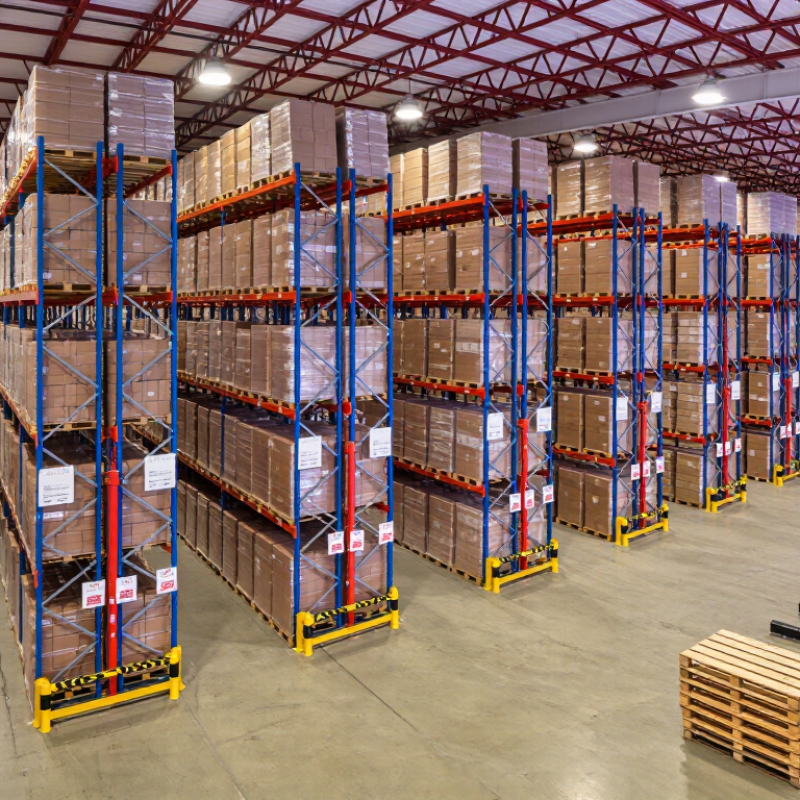
Pallet racking is a steel storage structure that holds goods on pallets above the floor. Upright frames carry the load, while horizontal beams support each pallet level. A forklift places pallets into the bays and removes them when orders are picked. In a selective layout, each pallet is directly accessible, which makes stock rotation and item retrieval straightforward. Aisles need enough clearance for the equipment and the loads being handled. The details matter.

Rack design should reflect pallet dimensions, load weight, ceiling height, and forklift type. Workers should follow posted capacity limits and report damaged uprights or beams. A small bend can be easy to miss. It still deserves attention. The MHI 2024 Annual Industry Report found that 55% of surveyed supply-chain professionals planned to increase technology investment. This is not a pallet-rack adoption figure, but it shows why storage systems are increasingly considered alongside wider warehouse operations. Before installation, measure actual pallets and review traffic patterns; plans on paper can miss awkward turns or changing inventory.

Why Choose Pallet Rack for Warehouse Storage? - What Is Pallet Racking and How Does It Work?
Rack System How It Works Pallet Access Typical Stock Rotation Main Storage Advantage Key Consideration
Selective pallet rack Beams support pallet loads in bays, with aisles allowing forklifts to reach each storage position. Direct access to each pallet; typically one pallet deep. Supports flexible picking and rotation because each pallet is individually accessible. Good selectivity for warehouses holding many product types or needing frequent pallet access. Requires aisles between rack rows, so storage density is generally lower than in compact systems.
Drive-in rack A forklift enters a storage lane and places pallets on rails, building loads from the back toward the entrance. Multiple pallets deep within each lane; access to pallets inside a lane is restricted by the pallets in front. Typically last in, first out (LIFO). Uses fewer aisles and can increase storage density for larger quantities of similar products. Forklift entry into lanes requires careful operation; best suited to products that can be stored in lane-based batches.
Drive-through rack A forklift can enter a lane from either end to load and retrieve pallets. Multiple pallets deep, with access from both ends of the lane. Can support first in, first out (FIFO) when loading and retrieval are managed from opposite ends. Provides compact storage while allowing product movement through a lane. Requires access aisles at both ends, and lane planning must match the warehouse’s handling process.
Push-back rack Each new pallet pushes the pallets already in the lane farther back on nested carts or inclined rails. Multiple pallets deep; pallets are loaded and retrieved from the same aisle. Typically LIFO within each lane. Combines relatively high density with access from a single aisle face. Lane depth, pallet condition, and load compatibility need to suit the system design.
Pallet flow rack Pallets move by gravity along roller tracks from the loading side to the retrieval side. Multiple pallets deep, with separate loading and picking faces. FIFO: the first pallet loaded is generally the first pallet available for retrieval. Supports orderly stock rotation and can reduce travel between replenishment and picking areas. Requires compatible pallets, regular equipment inspection, and careful control of lane loading.
Mobile pallet rack Rack rows sit on powered or manually operated mobile bases that move to open a working aisle where needed. Direct access to the selected row through a temporarily opened aisle. Depends on the picking and inventory-control process. Reduces the number of permanently open aisles compared with fixed selective layouts. Access requires aisle movement, so the operating process and safety controls must account for moving rows.

What pallet racking is: A structural storage system that holds palletized goods in organized levels above the floor. Forklifts or other material-handling equipment place and retrieve pallets according to the rack layout. Rack selection, dimensions, and load limits should be based on pallet sizes, inventory needs, equipment, building conditions, and an engineered design.

How Does Pallet Racking Maximize Warehouse Space?

Why Choose Pallet Rack for Warehouse Storage?
How Does Pallet Racking Maximize Warehouse Space?

Pallet racking uses vertical height that floor-stacked goods often leave unused. Forklifts place pallet loads on elevated beams, creating several storage levels within the same footprint. This can free floor area for receiving, packing, or safer travel lanes. Selective rack also keeps each pallet accessible, helping teams retrieve mixed stock without moving other loads. Aisle width matters, though. Narrower aisles may add storage positions, but they require suitable equipment and careful turning clearance.

Tips: Measure ceiling height, sprinkler clearance, beam levels, and the widest load before planning. Keep fast-moving items at convenient heights and heavier pallets lower. Mark rack capacity clearly, and inspect uprights for impact damage. A layout can look efficient on paper but feel cramped once people and forklifts are moving.

Pallet racks do not create space without trade-offs. More levels can mean longer picking travel or extra handling, and a poor layout may block access to frequently used goods. Start with actual pallet dimensions and inventory patterns, then test a small section during normal shifts. Leave room for changes; demand rarely stays perfectly predictable.

Why Choose Pallet Rack for Warehouse Storage?

How does pallet racking maximize warehouse space? This illustrative comparison shows how storing pallets vertically can increase capacity within the same floor area.

Illustrative scenario, not a universal benchmark: a 1,000 m² warehouse, 1.2 m² per pallet footprint, 60% of floor area allocated to single-level floor storage, and 35% allocated to rack footprints with four storage levels. Estimated capacity is calculated from these assumptions and will vary with aisle widths, building constraints, pallet loads, and layout.

Which Inventory and Access Needs Can Pallet Racks Support?

Pallet racks suit warehouses holding goods on pallets, especially when stock varies by size, weight, or turnover. Selective racks provide direct access to each pallet position, making them useful for mixed inventory and frequent picking. A worker can retrieve a specific load without moving the pallets in front of it. That matters when orders include small quantities from many product lines. For example, a warehouse storing cartons of different seasonal items can assign each pallet a labeled location. Simple labels help, though they do not fix poor stock records.

Tips: Keep labels visible from the aisle. Check that load information matches the rack design. Clear aisles make picking easier.

Other layouts can support different access needs. Drive-in racks use deeper lanes and can store larger quantities of similar goods, but access to individual pallets is more limited. Push-back systems can improve density while keeping several pallets accessible from an aisle. The right choice depends on how quickly stock moves and whether workers need direct access to every pallet. Measure forklifts, aisle widths, pallet dimensions, and load weights before planning. Small measurement errors can cause real delays, and rack capacity should be verified by a qualified professional. A layout may look efficient on paper, yet feel awkward during a busy shift.

What Safety and Operational Factors Affect Pallet Rack Selection?

Pallet rack selection should begin with the load, not the price. Record each pallet’s weight, dimensions, and condition, then check the rack’s rated capacity and beam layout. The U.S. Bureau of Labor Statistics reported 4.8 recordable injury and illness cases per 100 full-time workers in warehousing and storage in 2023, compared with 2.4 across private industry. This figure is not rack-specific, but it underlines the need to treat safe handling as a design factor. Small details matter.

Operational fit matters just as much. Measure forklift turning space and aisle width, and confirm that the floor can support the planned loads. Keep sprinkler clearance and travel paths in mind. A layout that looks efficient on paper may slow picking when workers cannot reach the right pallet safely. Recheck the plan when inventory, equipment, or load sizes change; old assumptions can linger.

Tips: Ask a qualified rack designer to review the load data and layout before installation. Mark rack capacity clearly, train operators to report bent uprights or loose anchors, and schedule regular inspections. A quick visual check helps, but it can miss damage behind stored goods. Don’t treat it as a substitute for a documented inspection.

How Do Pallet Racks Compare with Other Storage Systems?

Pallet racks differ from shelving because they store complete pallet loads vertically, using forklifts instead of hand picking. This suits warehouses handling bulky goods in regular unit loads. A standard selective rack gives workers direct access to each pallet, but its aisles consume valuable floor space. Narrower aisles can increase storage density, though they may require suitable trucks and careful traffic planning.

Compared with drive-in racks, selective racks offer easier access to individual pallets. Drive-in systems fit large quantities of similar products, but operators must manage loading order and access more carefully. Cantilever racks handle long items such as timber or pipes; pallet beams are not a safe substitute for those awkward shapes. Automated storage systems can save labor and space, yet they usually demand higher investment and dependable maintenance. Simple shelving remains practical for cartons and small parts. No forklift needed.

Rack capacity depends on beam levels, pallet weight, load distribution, and floor conditions. Check these details against qualified design guidance before installation, and inspect for bent uprights or damaged connections. A rack can look sturdy while carrying an uneven load. That is easy to overlook during a busy shift. Even a well-planned layout may need adjustment when product sizes or picking patterns change.

keep me informed

Subscribe

By clicking SEND means that you agree to our Terms & Conditions, Privacy and Cookie Policies.