
2026 Best PTFE Lined Check Valve for Buyers?
Choosing the 2026 best PTFE lined check valve is not just a matter of comparing prices or nominal sizes. Buyers need to match the valve to the fluid, operating temperature, pressure, flow direction, and installation position. A white PTFE surface may look reassuring, but the lining’s condition, thickness, and bond to the valve body matter more. Small details count.
A PTFE lined check valve is often selected for corrosive service, yet “corrosion resistant” does not mean suitable for every chemical or operating condition. Check the manufacturer’s compatibility data and pressure-temperature limits. Ask how the valve is tested, what standards it follows, and whether replacement parts are available. These questions can reveal gaps that a polished brochure may miss.
For transparency, the following is an editorially created line, not a verified quotation from a real expert: fictional valve specialist Daniel Mercer says, “A check valve earns trust when its materials, limits, and test records match the service.” Treat that as a useful buying principle, not a sourced endorsement. This guide compares design, lining quality, sealing performance, certifications, maintenance needs, and supplier support. It also considers an awkward reality: the cheapest option may meet the specification on paper but still create costly downtime if its documentation or service support is weak. Verify the details before ordering.
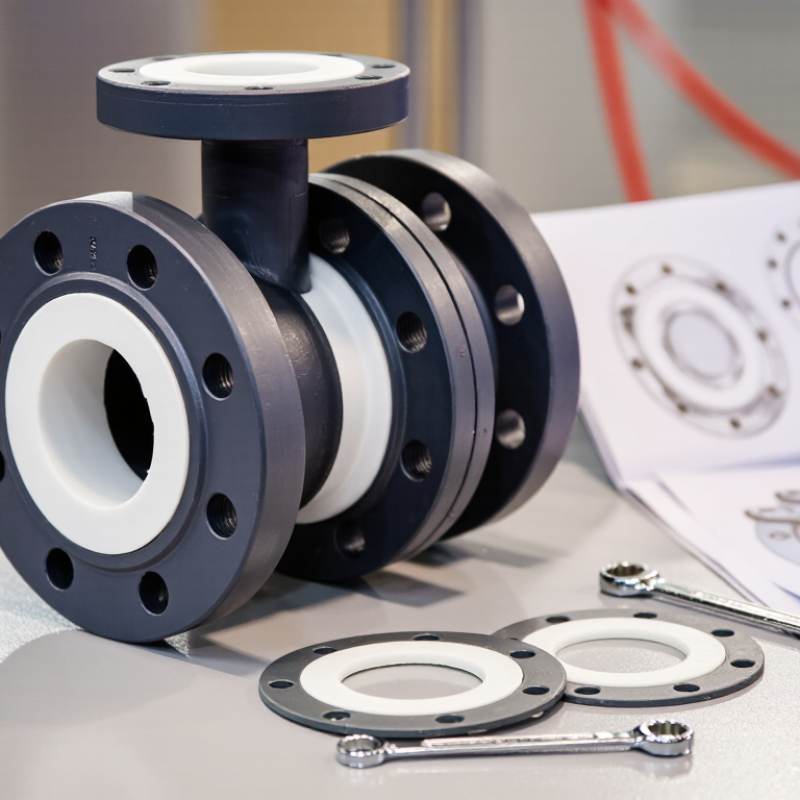
PTFE-Lined Check Valve Basics: Design Types and API 594 Scope
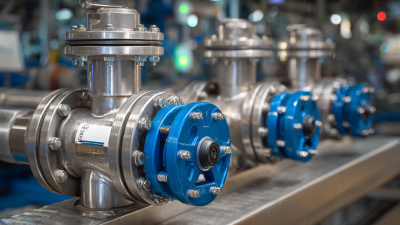
PTFE-lined check valves pair a one-way closing mechanism with a fluoropolymer barrier on selected wetted surfaces. The lining may limit corrosion exposure in compatible service, but it does not suit every fluid or operating condition. Check chemical concentration, temperature, pressure, and cycling against documented limits. Small details matter. A nick near the disc or seat can create a leak path.
Design affects movement and installation. Swing checks use a hinged disc and need clearance for its travel. Dual-plate designs use two plates and can fit compact, wafer-style installations. Axial or nozzle-style checks guide a spring-loaded disc along the flow path, but response depends on sizing and spring selection. PTFE may line the body, cover wetted parts, or serve as a seat component. Request a sectional drawing; the product name alone does not confirm coverage.
API 594 addresses check-valve configurations and requirements such as dimensions, pressure-temperature ratings, materials, inspection, and testing. Its scope includes specified wafer, lug, flanged, and butt-welding designs, subject to the applicable edition. Confirm that the chosen construction and end connections fit that scope. API 594 compliance does not by itself establish PTFE compatibility or lining quality. A catalog statement can leave gaps. Ask for the edition, test records, face-to-face dimensions, and lining inspection criteria, then compare them with actual service conditions.
2026 Best PTFE Lined Check Valve for Buyers? - PTFE-Lined Check Valve Basics: Design Types and API 594 Scope
| Buyer Dimension | Common Options or Standard Scope | Practical Selection Guidance |
|---|---|---|
| Valve function | A check valve allows flow in the intended direction and closes to limit reverse flow. It is not an isolation valve. | Confirm the required flow direction, expected reverse-pressure conditions, and whether a separate shut-off valve is needed. |
| Swing check design | A hinged disc moves away from the seat during forward flow and returns toward the seat when flow decreases or reverses. | Often considered for relatively steady flow. Check the installation orientation, minimum flow needed to open, and potential for disc slam. |
| Dual-plate check design | Two spring-assisted plates pivot on a central hinge and close as forward flow falls. | Its compact, wafer-style form can suit space-limited piping. Verify the permitted installation orientation and the manufacturer’s pressure-drop data. |
| Other check designs | Tilting-disc and axial-flow designs are also used in suitable applications; their availability in PTFE-lined configurations varies. | Ask for the exact internal construction and tested performance rather than assuming every check-valve design is offered with a full PTFE lining. |
| PTFE lining and sealing | PTFE may line wetted body surfaces; the disc, seat, and other wetted components may use different materials or inserts. | Request a wetted-parts list and a lining drawing. Confirm whether “PTFE lined” includes the body only or also the relevant disc and seat surfaces. |
| Chemical compatibility | PTFE is widely selected for chemical resistance, but compatibility depends on the fluid, concentration, temperature, pressure, and exposure conditions. | Check the specific chemical service with the valve supplier and a current materials-compatibility reference. Do not select on the basis of the PTFE label alone. |
| Temperature and pressure limits | Allowable limits depend on the PTFE grade, lining construction, valve design, pressure class, and operating conditions. | Use the supplier’s pressure–temperature rating for the complete valve. Do not infer the valve’s rating from the lining material or flange class alone. |
| API 594 scope | API 594 specifies requirements for check valves, including applicable design and dimensional requirements for covered end connections and configurations. | Confirm the edition, valve type, size, pressure class, and end connection against the project specification and the standard’s stated scope. |
| API 594 and PTFE lining | API 594 compliance does not by itself establish chemical compatibility, lining quality, or suitability for a particular service. | Request documented evidence of applicable API 594 conformity as well as separate details for lining material, thickness, inspection, and testing. |
| End connections and installation | Check-valve configurations may include wafer, lug, flanged, or butt-welding ends, subject to the applicable standard and design. | Match the connection and face-to-face dimensions to the piping design. Confirm mating flange details, flow-direction marking, and installation clearances. |
| Cracking pressure and pressure drop | Opening behavior and flow resistance vary with disc design, spring arrangement, size, and operating conditions. | Request cracking-pressure and flow-performance data for the selected size and configuration, especially for low-flow or pump-protection duties. |
| Inspection and documentation | Project requirements may call for material records, dimensional checks, lining inspection, and pressure or seat-leakage tests. | Agree on the inspection and test plan before purchase, including acceptance criteria and documentation required for the specific service. |
Related Posts
-
Unmatched Excellence in PTFE Lined Check Valves: Crafted in China, Delivered Worldwide
-
What is a PTFE Lined Check Valve and How Does it Work in Fluid Systems
-
Top 10 PTFE Check Valve Types for Global Buyers
-
2025 Top 10 PTFE Valves for Chemical Processing with 30 Percent Improved Durability
-

Common Issues Faced by Global Buyers When Sourcing Gas Valves: A Comprehensive Guide
-

Ultimate Checklist for Choosing the Right PTFE Valve for Your Industrial Needs
