
China Top Gas Valve Manufacturers and Suppliers
China has become a significant source of industrial flow-control equipment, including gas valve products for energy, manufacturing, building services, and process systems. Manufacturers and suppliers serve both domestic projects and international buyers. Their capabilities can differ widely, however. A polished website does not always prove reliable production.
This guide examines China’s leading gas valve manufacturers and suppliers through practical purchasing criteria. It considers product range, pressure ratings, body materials, sealing performance, machining quality, and available certifications. It also reviews factory experience, quality-control procedures, testing facilities, export support, and after-sales communication. For example, a dependable supplier should explain how each valve is tested for leakage, pressure resistance, and operating performance before shipment. Clear drawings and traceable inspection records matter. Small details often prevent costly installation problems.
Applications vary. A brass valve may suit certain low-pressure building systems, while stainless steel or specialized alloy construction may be better for demanding industrial environments. The correct choice depends on gas type, temperature, pressure, connection standard, and maintenance conditions. One recommendation cannot fit every project. That is easy to overlook.
The companies discussed here are not ranked by marketing claims alone. Their strengths, limitations, customization abilities, production scale, and communication standards deserve balanced evaluation. Buyers should verify certificates, request current test reports, inspect samples, and confirm technical specifications directly. Supplier information can change over time. Careful due diligence remains essential. A reliable gas valve partner should provide consistent products, honest documentation, and practical support from selection through installation.
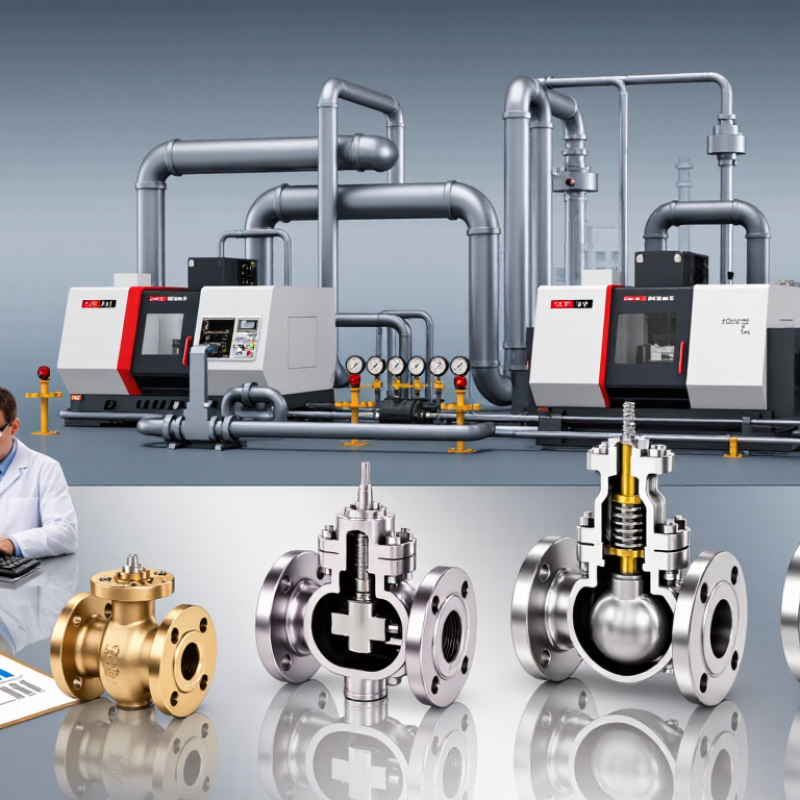
What Gas Valves Are and Why China Is a Major Supply Base
Gas valves control, isolate, or regulate the flow of gaseous media through a pipeline. Common designs include ball, gate, globe, and solenoid valves. Each type suits different pressure, temperature, and response requirements. A valve may look simple, but sealing performance depends on body materials, machining accuracy, stem design, and elastomer compatibility.
China has become a major gas valve supply base because its industrial network is unusually complete. Foundries, CNC workshops, seal producers, actuator makers, and testing laboratories often operate within a connected regional supply chain. This structure can shorten production cycles and support competitive pricing. Experienced manufacturers also provide pressure testing, material certificates, traceability records, and customized connections for regional systems. Still, supply capability is not equal to dependable quality. A low quotation may hide weak inspection or inconsistent sealing. That deserves careful review.
Tips: Define the gas, pressure range, temperature, connection standard, and operating frequency before requesting quotes. Ask for test procedures, inspection records, and sample approval. Check whether the supplier can repeat the same result across multiple production batches. Factory visits or independent audits can reveal details that documents miss. Even a polished report may contain gaps. Reflect on those gaps before placing a large order.
China Top Gas Valve Manufacturers and Suppliers - What Gas Valves Are and Why China Is a Major Supply Base
| Gas Valve Type | Primary Function | Common Materials | Typical Actuation | Typical Gas Applications | Commonly Referenced Standards |
|---|---|---|---|---|---|
| Ball Valve | Provides fast, quarter-turn isolation with low flow resistance when fully open. | Carbon steel, stainless steel, ductile iron, brass, PTFE or reinforced polymer seats. | Manual lever, pneumatic actuator, electric actuator, or hydraulic actuator. | Natural gas distribution, LPG systems, gas processing, industrial burners, and pipeline isolation. | ASME B16.34, API 608, API 6D, ISO 5208, and applicable local gas-safety requirements. |
| Gate Valve | Offers full-bore on/off isolation and is generally not intended for throttling. | Carbon steel, stainless steel, alloy steel, ductile iron, and resilient seat materials. | Handwheel, gearbox, electric actuator, or pneumatic actuator. | Gas transmission lines, storage facilities, compressor stations, and large process piping. | API 600, API 6D, ASME B16.34, ISO 5208, and relevant pipeline specifications. |
| Globe Valve | Controls and regulates gas flow through a movable plug and seat arrangement. | Carbon steel, stainless steel, alloy steel, and metal or soft seat materials. | Manual handwheel, pneumatic actuator, or electric actuator. | Process control, fuel-gas systems, pressure-management lines, and industrial plants. | ASME B16.34, API 623, ISO 5208, and project-specific control-valve requirements. |
| Butterfly Valve | Provides compact shutoff and flow control using a rotating disc. | Ductile iron, carbon steel, stainless steel, aluminum, EPDM, NBR, or PTFE. | Lever, gearbox, pneumatic actuator, or electric actuator. | Low- and medium-pressure gas distribution, ventilation, biogas, and industrial utility systems. | API 609, EN 593, ASME B16.34, ISO 5208, and applicable gas-service standards. |
| Check Valve | Automatically prevents reverse flow and protects equipment from backflow conditions. | Carbon steel, stainless steel, ductile iron, aluminum, and elastomeric sealing materials. | Self-actuated by the direction and pressure of the flowing gas. | Compressor discharge lines, gas storage, fuel trains, process piping, and pipeline systems. | API 594, API 6D, ASME B16.34, ISO 5208, and applicable installation codes. |
| Pressure Regulator | Reduces and maintains downstream gas pressure within a specified operating range. | Aluminum, brass, ductile iron, carbon steel, stainless steel, and engineered diaphragms. | Spring-loaded, pilot-operated, or electronically controlled. | Natural gas meters, LPG installations, burner trains, commercial buildings, and industrial equipment. | EN 334, EN 88, ISO 23550, NFPA 54, NFPA 58, and national gas-appliance regulations. |
| Solenoid Valve | Uses an electromagnetic coil to provide rapid automatic gas shutoff or control. | Brass, stainless steel, aluminum, fluoropolymer seals, and heat-resistant electrical components. | Electromagnetic actuation, commonly normally open or normally closed. | Gas burners, boilers, ovens, emergency shutoff systems, and automated fuel trains. | EN 161, ISO 23550, IEC 60730, NFPA 86, and applicable electrical-safety requirements. |
| Safety Relief Valve | Releases excess pressure to help protect piping, vessels, and equipment from overpressure. | Carbon steel, stainless steel, alloy steel, and corrosion-resistant spring components. | Spring-loaded or pilot-operated; normally self-actuated by pressure. | LPG storage, gas pressure-reduction stations, process equipment, and compressed-gas systems. | API 520, API 526, API 527, ASME Section VIII, EN ISO 4126, and local pressure-equipment rules. |
| Emergency Shutoff Valve | Quickly isolates gas flow when a detected hazard, abnormal pressure, or emergency signal occurs. | Carbon steel, stainless steel, ductile iron, brass, and fire-resistant sealing materials. | Manual reset, pneumatic, hydraulic, electric, or solenoid-actuated. | Fuel-gas trains, LPG facilities, gas stations, industrial plants, and commercial kitchens. | EN 161, ISO 23550, NFPA 54, NFPA 58, API 607, and project safety specifications. |
Why China Is a Major Gas Valve Supply Base
| Supply-Base Factor | Practical Advantage for Buyers | What Buyers Should Verify |
|---|---|---|
| Established Manufacturing Ecosystem | Access to casting, forging, machining, sealing, actuator, and automation suppliers within established industrial clusters. | Traceability of raw materials, subcontractor controls, heat treatment, and machining quality. |
| Broad Product Range | Suppliers commonly offer quarter-turn, linear, automatic, pressure-control, and safety valves across multiple sizes and pressure classes. | Exact pressure rating, temperature range, gas compatibility, end connections, and applicable design standard. |
| Flexible Customization | Designs can often be adapted for connection types, materials, coatings, actuators, control systems, and private-label packaging. | Approved drawings, change-control procedures, sample validation, and production consistency. |
| Export Infrastructure | Extensive industrial logistics and international shipping connections support containerized and project-based orders. | Packaging suitability, export documentation, customs classification, delivery terms, and spare-parts availability. |
| Competitive Production Costs | Large-scale sourcing of metals, components, and manufacturing services can provide competitive pricing for standard products. | Total landed cost, inspection expenses, tooling charges, warranty terms, and lifecycle maintenance costs. |
| Testing and Certification Capability | Qualified suppliers may provide pressure testing, fugitive-emission testing, fire testing, material certificates, and third-party inspection. | Whether certificates are valid for the intended market and whether test reports match the supplied valve configuration. |
Related Posts
-
10 Essential Tips for Choosing the Right Gas Valve for Your Needs
-

Common Issues Faced by Global Buyers When Sourcing Gas Valves: A Comprehensive Guide
-
10 Best Flow Control Valves for Industrial Applications
-

Mastering BFV Valves: A Comprehensive Tutorial on Selection, Sizing, and Optimization Techniques
-
Best Pneumatic Control Valves for Efficient Automation Solutions?
-

Ultimate Checklist for Choosing the Right PTFE Valve for Your Industrial Needs
