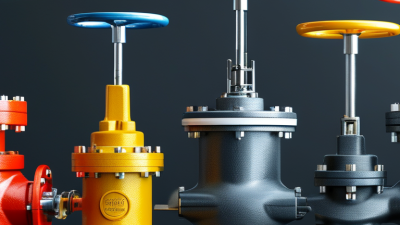
What Are the Top Flow Valve Manufacturers in China?

Choosing among China’s leading flow valve manufacturers takes more than comparing catalog prices. A polished website cannot show how a valve behaves after months of vibration, pressure changes, and repeated cycling. Buyers need evidence: material certificates, pressure-test records, traceable part numbers, and clear answers about lead times. Small details matter.

Control-engineering author Béla Lipták describes the control valve as “the final control element in a control loop.” That principle helps frame this guide. A flow valve is not just a metal body between two pipes; its trim, actuator, seals, and sizing all affect process performance. The right manufacturer should explain those choices in terms your engineers can check, not rely on broad claims about “premium quality.”

China’s valve sector includes large industrial groups, specialist control-valve makers, and smaller suppliers serving particular applications. Their strengths can differ sharply. One factory may offer strong machining capacity but limited documentation. Another may provide detailed testing records, yet have a longer delivery window. These are practical distinctions, not automatic signs of quality or weakness. And supplier rankings can become outdated.

This overview compares manufacturers through product range, certifications, engineering support, production capability, and after-sales service. It also points to questions worth asking before requesting a quote: Which standards apply? What testing is performed? Can the supplier provide references for similar media and operating conditions? No shortlist replaces a site-specific review. A valve that works well on clean water may behave differently in a hot, abrasive process. That caveat deserves attention.
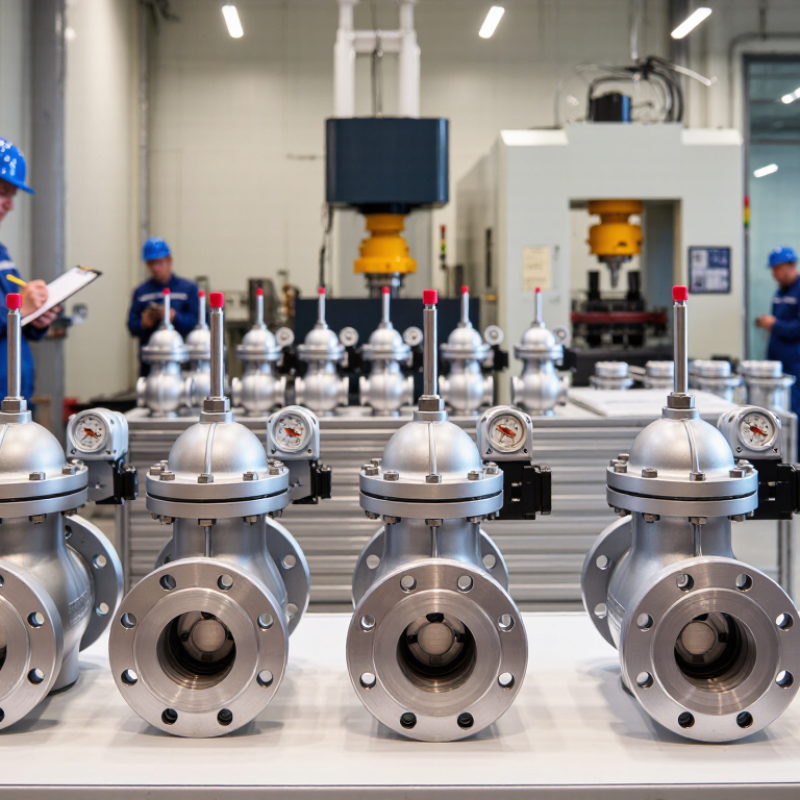
What Are the Top Flow Valve Manufacturers in China?

Flow Valve Fundamentals: Cv, m³/h, and Pressure-Drop Ratings

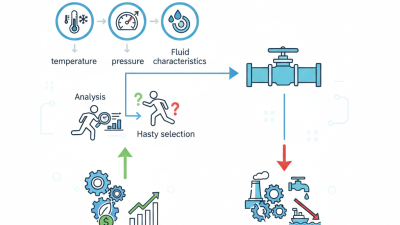
Flow valve sizing starts with flow coefficient, not pipe diameter. Under ISA 75.01.01 and IEC 60534-2-1 sizing equations, liquid flow in US units is Q = Cv × √(ΔP/SG), where Q is gallons per minute, ΔP is pressure drop in psi, and SG is specific gravity relative to water. Cv represents the flow of water at 60°F that produces a 1 psi drop. In metric units, Kv = Q × √(SG/ΔP), with Q in m³/h and pressure drop in bar. The approximate conversion is Kv = 0.865 × Cv.

For example, a Cv of 10 with water and a 4 psi drop predicts about 20 gpm, or 4.54 m³/h. That is an idealized estimate. Actual valve sizing must account for fluid temperature, viscosity, fittings, and pressure recovery. A high inlet pressure alone does not determine capacity; the pressure difference across the valve does. That distinction matters.

On a real line, a pressure gauge before the valve and another after it can reveal whether the assumed drop is realistic. IEC 60534-2-1 also addresses factors such as choked flow, where lowering downstream pressure may not increase flow as expected. One awkward detail: a convenient spreadsheet can hide these limits. Treat the calculated Cv as a starting point, then verify the selected valve’s rated capacity and operating range against the manufacturer’s certified data.

Qualification Benchmarks: API 6D, ISO 5208, and GB/T 12237

When comparing flow-valve manufacturers in China, look beyond catalog claims. Grand View Research estimated the global industrial valves market at USD 78.3 billion in 2023 in its Industrial Valves Market Size report. A market this large rewards consistent quality, but a certificate alone does not prove that every production batch is reliable.

API 6D covers pipeline and piping valves, including design, manufacturing, testing, and documentation. ISO 5208 sets pressure-testing procedures and leakage acceptance rates. GB/T 12237 applies to steel ball valves. Check whether a supplier’s certificates match the valve type, pressure class, materials, and intended service. Then review actual test records: pressure, test medium, duration, leakage result, and serial number should be traceable. Paper compliance can still leave gaps. That distinction is easy to miss.

Tips: Ask for a recent, product-specific test report, not only a certificate. Compare its stated leakage class with the project specification, and confirm which standard edition was used. A clear record is useful; it is not a substitute for independent inspection when service conditions are demanding.

What Are the Top Flow Valve Manufacturers in China? — Qualification Benchmarks: API 6D, ISO 5208, and GB/T 12237

Benchmark What It Covers Evidence to Request How to Evaluate Important Limitation
API 6D Requirements for pipeline and piping valves, including applicable design, manufacturing, inspection, and testing provisions. Applicable standard edition; product datasheets; inspection and test records; and documentation showing the offered valve model and configuration fall within the claimed scope. Check that the standard, valve type, size, pressure class, materials, and end connections match the project specification. Conformance to a product standard is not, by itself, proof that a manufacturer holds an API licence or certification.
ISO 5208 Pressure testing of industrial valves and specified leakage-rate acceptance criteria. Test procedure and reports identifying the test medium, test pressure, duration, acceptance criterion, valve identification, and result. Confirm the leakage-rate class and test conditions required by the purchase specification, and verify that the report refers to the supplied product. It is a testing standard; it does not independently certify a manufacturer or define every valve’s design requirements.
GB/T 12237 Steel ball valves for petroleum, petrochemical, and related industries in the scope of the applicable standard edition. Declared GB/T 12237 edition; design and material documentation; dimensional records; and inspection and pressure-test reports for the offered ball valve. Match the stated edition and product scope to the valve type, service conditions, pressure rating, materials, and purchaser requirements. Check the current applicable edition and any project-specific requirements; a reference to the standard alone does not establish independent certification.
Material traceability Identification and traceability of pressure-retaining parts and other specified components. Material certificates, heat or batch numbers, component lists, and records linking material documentation to the finished valve. Confirm that material grades and traceability records meet the order requirements and are consistent with the valve markings and inspection file. Required documentation and inspection level depend on the purchase specification and service conditions.
Production quality controls Manufacturing controls, inspection planning, nonconformance handling, and final release processes. Quality procedures, inspection and test plans, calibration records, nonconformance records, and final inspection documentation. Review records for the relevant product family and determine whether inspections are performed at the required stages. A quality-management certificate does not replace product-specific inspection, testing, or technical approval.
Project suitability Fit between the offered valve and the application, including pressure, temperature, fluid, operation, and connection requirements. Completed technical datasheet, drawings, bill of materials, operating requirements, and documented responses to deviations. Compare each offer against the same approved specification and record exceptions before technical or commercial approval. Standards compliance alone cannot establish suitability for every process fluid or operating condition.

Qualification note: This is a standards-based evaluation framework, not a ranked list of manufacturers. Confirm standard editions, certification status, product scope, and project requirements directly through current documents and independent verification where required.

How to Compare Chinese Manufacturers by DN, PN, and Class Ratings

When comparing Chinese flow valve manufacturers, begin with the pipeline specification and operating conditions. DN indicates nominal valve size, not necessarily the exact bore. Check that the quoted DN matches the pipe connection and required flow path. PN describes a nominal pressure designation within a particular standard. It should not be treated as a universal working-pressure limit.

Class ratings belong to different standards and cannot be converted directly to PN by matching numbers. Pressure capacity can change with body material and temperature. Ask each supplier for the applicable pressure-temperature chart, test standard, and material documentation. Compare the same valve type, size, trim, and end connection across quotations. A low price can hide a different design. That detail is easy to miss.

Tips: Put DN, PN or Class, material, temperature, and test requirements in one comparison sheet. Request drawings and certificates for the exact offered model. Check whether the stated rating applies at your actual operating temperature, not only at room temperature. If a datasheet is vague, ask for clarification before treating the offer as comparable.

Leading Manufacturers by Valve Type, Materials, and Industry Served

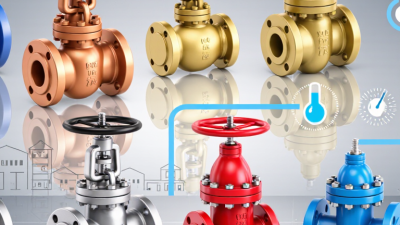
China’s flow valve manufacturers are best compared by valve type, material, and service conditions, not catalog size alone. Ball valves often suit quick isolation, while globe valves allow more controlled throttling. Butterfly valves can be practical for larger pipelines where space and weight matter. Check pressure ratings and connection dimensions against the actual system.

Material choices should match the fluid, temperature, and operating environment. Stainless steel is common in hygienic or corrosive service, while cast iron may fit some water and building systems. For chemical processing, buyers should confirm material compatibility rather than rely on broad product descriptions. A manufacturer serving power, municipal water, or food processing may offer useful application experience, but that does not guarantee a fit. Ask for test records, material documentation, and clear details on inspection procedures. Published ranges can be incomplete; that deserves a second look.

Tips: Share operating pressure, temperature, fluid, and cycle frequency before requesting a quotation. Compare drawings and test documentation, not just prices. If details are vague, pause and ask specific questions.

Supplier Verification: ISO 9001, Type Tests, and Traceable Test Records

When comparing flow valve manufacturers in China, verify the quality system, product tests, and records as separate items. The ISO Survey of Management System Standard Certifications 2022 reported 1,265,216 valid ISO 9001 certificates across 189 countries and economies. That shows wide adoption, not proof that a particular valve performs well. Check the certificate’s scope, issuing body, site address, and expiry date. A valid certificate for a trading office may not cover the factory making your valves.

Ask for type-test reports that match the quoted design, materials, size, and pressure class. ISO 5208:2015 sets pressure-testing requirements for industrial valves; confirm the applicable test and acceptance criteria in the purchase specification. Request records showing the valve serial number, test pressure and duration, instrument identification, calibration status, and test date. Small details matter. Match these records to the nameplate and production order, not just to a generic sample report. A tidy file can still leave gaps, especially when test evidence cannot be tied to the delivered unit. Review one complete record trail before approval, and clarify any missing link in writing.

keep me informed

Subscribe

By clicking SEND means that you agree to our Terms & Conditions, Privacy and Cookie Policies.